

Welcome guest
Monday to Friday8AM - 9PM
AddressABC A-504, Rajnigandha Apartment, VADODARA-390007, GUJARAT, India.
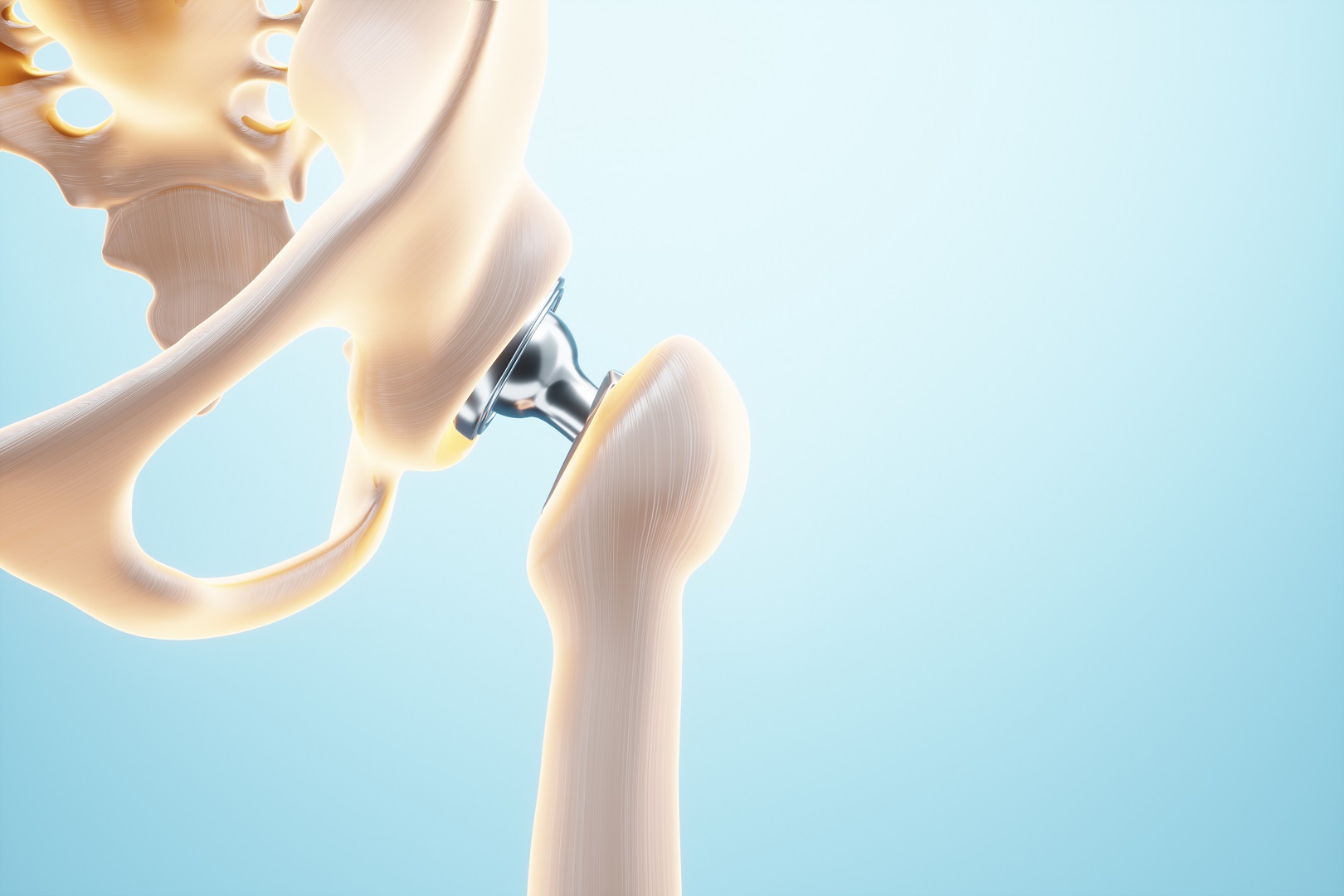
A hip replacement is a surgical procedure in which a damaged or diseased hip joint is replaced with an artificial joint.
Hip replacements are commonly performed to address conditions such as osteoarthritis, rheumatoid arthritis, avascular necrosis, hip fractures, and other hip-related issues that cause persistent pain and impairment.
Here's an overview of these types:
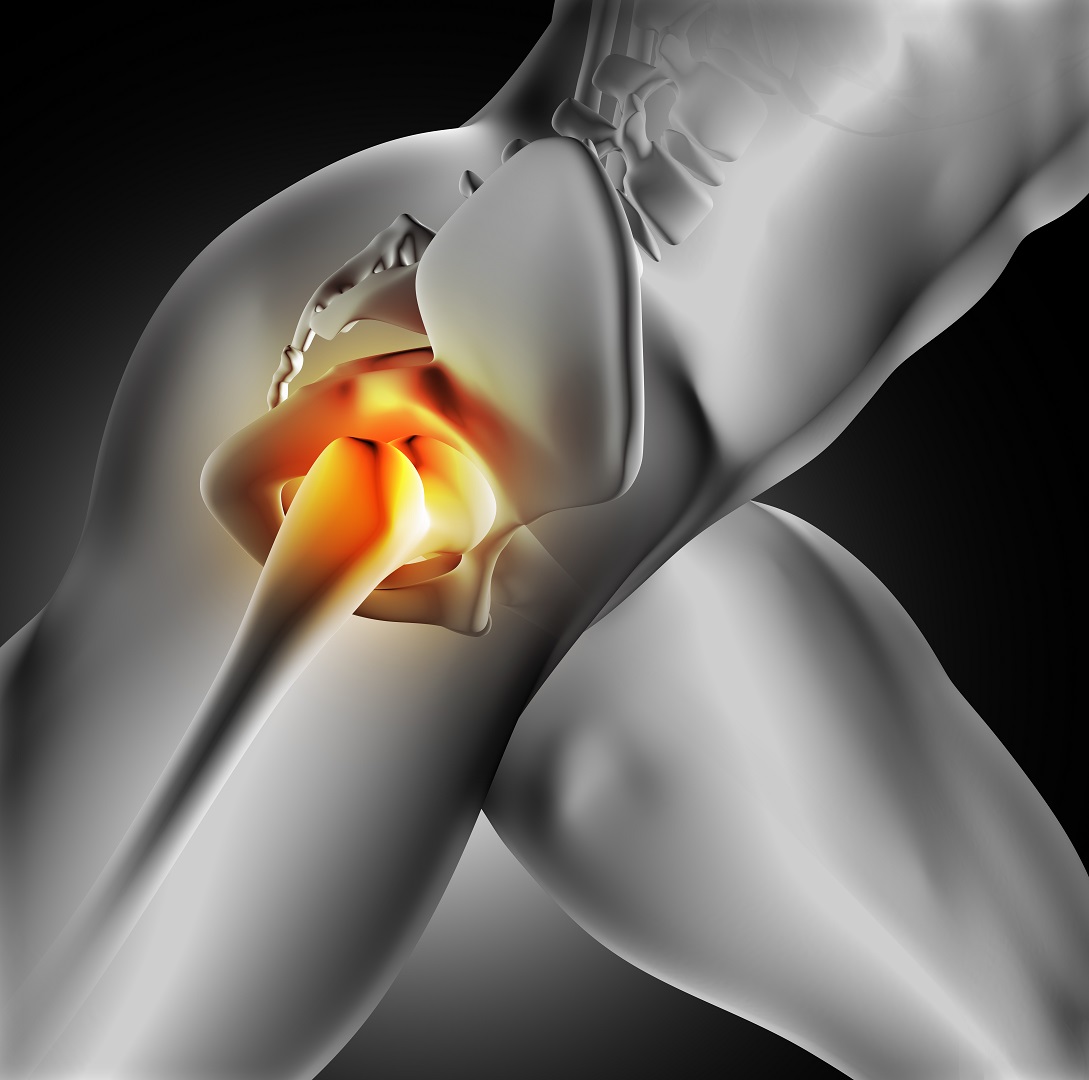
Here is a general overview of the procedure:
Preoperative Assessment: Patients undergo a thorough preoperative assessment, including medical history, physical examination, and imaging studies to evaluate the extent of hip joint damage.
Anesthesia: Anesthesia is administered to ensure the patient is comfortable and pain-free during the surgery. This is typically either general anesthesia, which puts the patient to sleep, or regional anesthesia, such as spinal or epidural anesthesia.
Incision: The surgeon makes an incision to access the hip joint. The size and location of the incision can vary, depending on the surgical approach chosen.
Hip Joint Exposure: The surgeon carefully moves muscles and other tissues to expose the hip joint. In minimally invasive procedures, efforts are made to minimize damage to surrounding tissues.
Femoral Head Resection: The damaged femoral head (the ball-shaped top of the thigh bone) is removed. The femoral neck may also be trimmed to prepare for the placement of the femoral component.
Acetabular Preparation: The acetabulum (hip socket) is prepared by removing the damaged cartilage and bone. The surgeon may use special instruments to shape the acetabulum to accommodate the artificial socket.
Component Implantation: The artificial components are implanted. The femoral component, which consists of a metal stem and a metal or ceramic ball, is inserted into the femur. The acetabular component, typically a metal socket with a plastic liner, is secured into the acetabulum.
Closure: The surgeon closes the incision with sutures or staples. Drains may be placed to prevent the accumulation of excess fluids.
Recovery and Rehabilitation: After the surgery, patients are moved to a recovery area. Physical therapy and rehabilitation play a crucial role in the recovery process. Patients learn exercises to improve strength, flexibility, and mobility.
Postoperative Care: Patients are closely monitored for any signs of complications. Pain management, medication, and follow-up appointments are part of the postoperative care plan.
India has become a popular destination for Hip Replacement due to its world-class medical facilities, experienced surgeons, and lower costs compared to other countries. Indian hospitals have state-of-the-art technology and equipment and offer excellent healthcare services at an affordable price. Patients from around the world can benefit from the cost-effective and high-quality healthcare services offered in India.
Gomedi9 is a medical tourism company that specializes in helping patients plan and organize their medical travel to India. They provide a range of services to make the process of medical tourism hassle-free and convenient for patients.
Gomedi9 can help patients to choose the right hospital, book accommodation, arrange transportation, provide interpreters, and ensure that the patient receives the best possible medical treatment at an affordable price. They have a team of experienced professionals who guide patients throughout the process of medical tourism, from the initial consultation to post-operative care.
