

Welcome guest
Monday to Friday8AM - 9PM
AddressABC A-504, Rajnigandha Apartment, VADODARA-390007, GUJARAT, India.
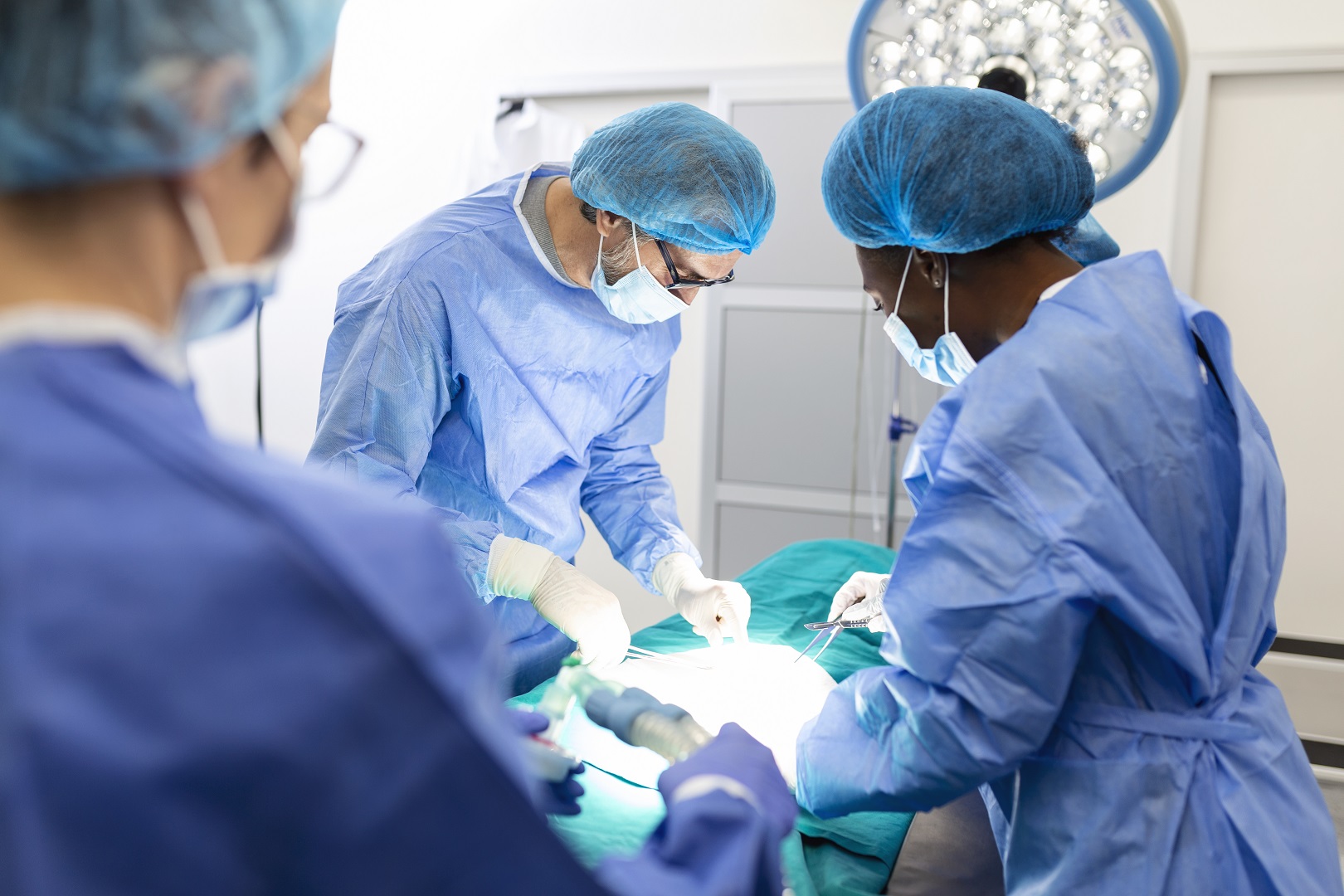
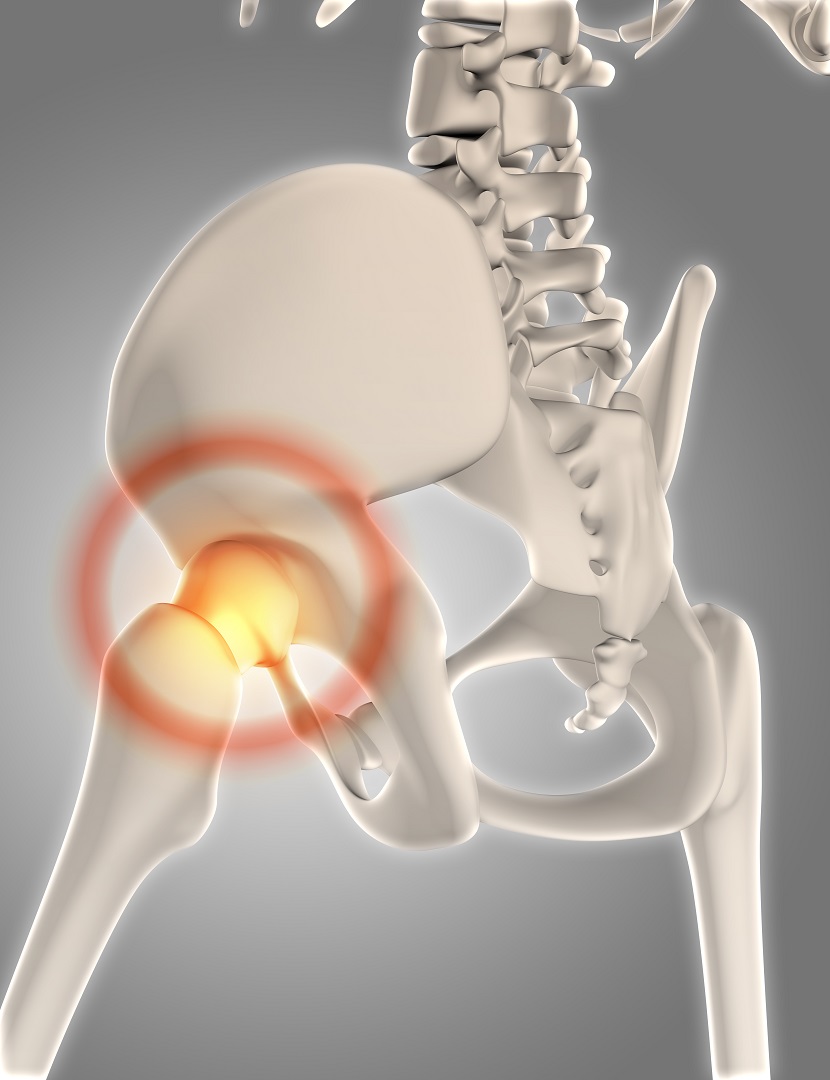
Hip resurfacing is a surgical procedure designed to address hip joint issues, particularly arthritis.
During hip resurfacing, the femoral head (the ball part of the hip joint) is not removed but is instead trimmed and capped with a metal prosthesis. The damaged cartilage in the acetabulum (socket) is also replaced with a metal shell.
The most common types include:
The following is a general overview of the hip resurfacing procedure:
Preparation: The patient is positioned on the operating table, and anesthesia is administered to ensure the patient is unconscious and pain-free during the surgery. The surgical team monitors the patient's vital signs throughout the procedure.
Incision: The surgeon makes an incision, typically along the side or back of the hip, to access the hip joint. The size and location of the incision may vary based on the surgical approach chosen by the surgeon.
Exposure of the Hip Joint: The surgeon carefully moves muscles and other tissues to expose the hip joint, providing clear access to the femoral head and acetabulum.
Resurfacing the Femoral Head: The damaged cartilage and a minimal amount of bone from the femoral head are removed, preparing it for the implant. The femoral head is reshaped to fit the metal cap, which will replace the removed surface.
Preparation of the Acetabulum: The damaged cartilage in the acetabulum is removed, and the surgeon prepares the socket to receive the metal cup component. The metal cup is typically press-fit or cemented into place.
Implant Placement: The metal cap is placed over the reshaped femoral head, forming the new ball-and-socket joint. The metal-on-metal, metal-on-polyethylene, or other combinations of materials are used based on the chosen implant design.
Closure: The surgeon carefully closes the incision, typically using sutures or staples to secure the tissues. A sterile dressing is applied to the incision site.
Postoperative Care: The patient is moved to the recovery room, where medical staff monitors vital signs and manages pain. Physical therapy and rehabilitation are initiated to help the patient regain strength, mobility, and function.
India has become a popular destination for Hip Resurfacing due to its world-class medical facilities, experienced surgeons, and lower costs compared to other countries. Indian hospitals have state-of-the-art technology and equipment and offer excellent healthcare services at an affordable price. Patients from around the world can benefit from the cost-effective and high-quality healthcare services offered in India.
Gomedi9 is a medical tourism company that specializes in helping patients plan and organize their medical travel to India. They provide a range of services to make the process of medical tourism hassle-free and convenient for patients.
Gomedi9 can help patients to choose the right hospital, book accommodation, arrange transportation, provide interpreters, and ensure that the patient receives the best possible medical treatment at an affordable price. They have a team of experienced professionals who guide patients throughout the process of medical tourism, from the initial consultation to post-operative care.
