

Welcome guest
Monday to Friday8AM - 9PM
AddressABC A-504, Rajnigandha Apartment, VADODARA-390007, GUJARAT, India.
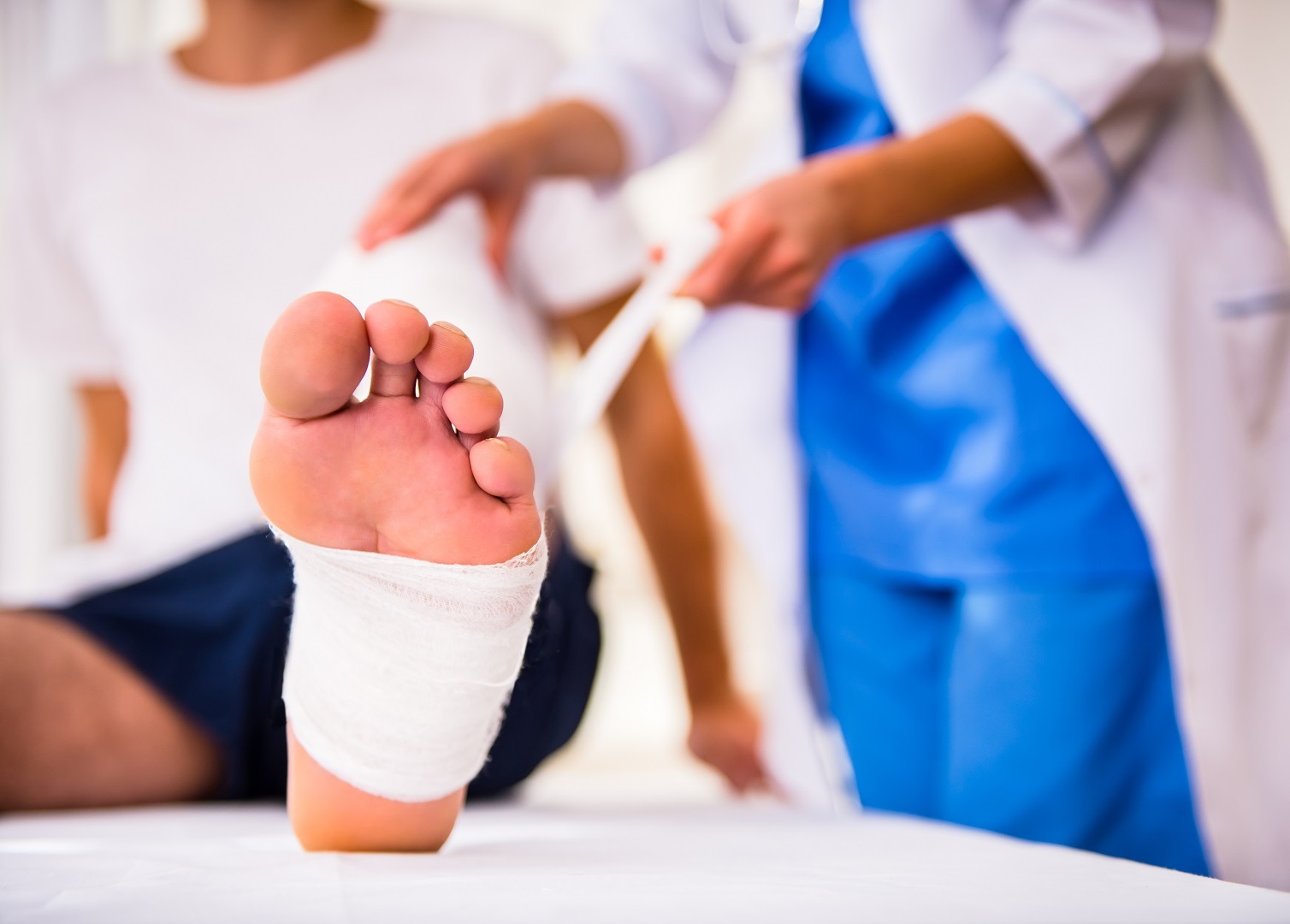
Corn removal surgery refers to a medical procedure in which a healthcare professional surgically removes a corn from the skin.
Corn removal surgery is usually considered when conservative treatments, such as over-the-counter corn pads or changes in footwear, prove ineffective in alleviating the discomfort caused by the corn. During the surgery, the healthcare provider may use a scalpel or other surgical instruments to carefully excise the corn, aiming to relieve pain and prevent recurrence.
Here are some common types of corn removal surgeries:
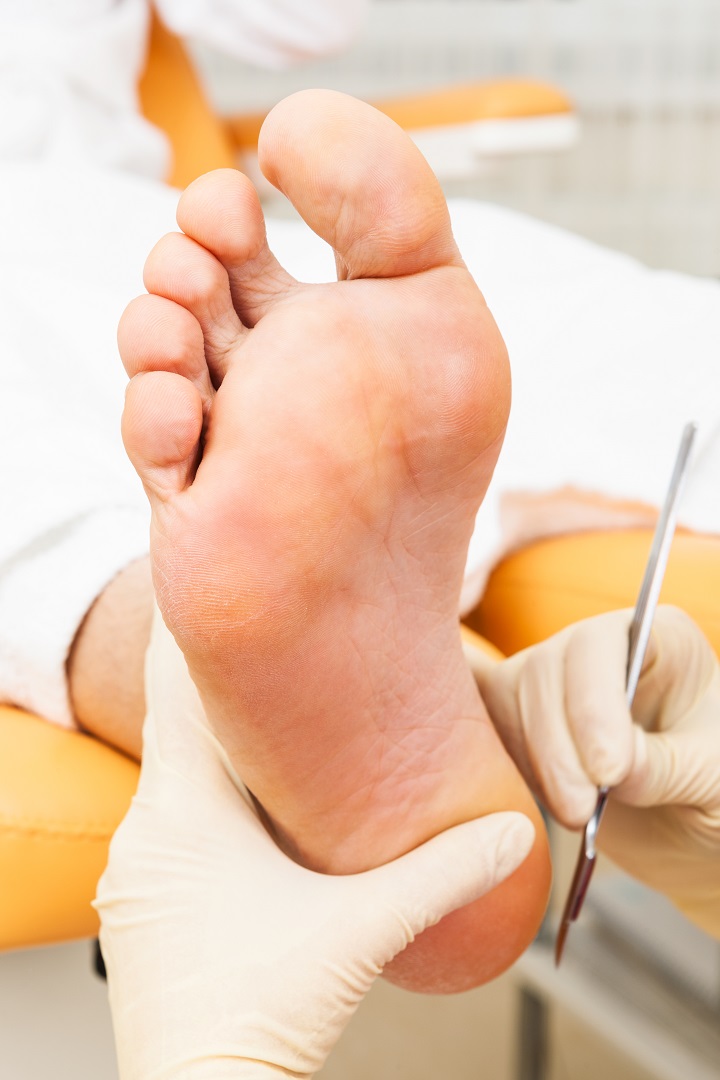
Here's a general overview of the steps involved in orthopedic corn removal surgery:
1. Patient Assessment: The surgeon will conduct a thorough examination of the patient's foot, assessing the corn's size, location, and any associated complications. They may also review the patient's medical history to ensure that surgery is a suitable option.
2. Anesthesia: Before the procedure begins, the patient will receive anesthesia to ensure they are comfortable and pain-free during the surgery. The type of anesthesia (local or general) will depend on the extent of the procedure.
3. Sterilization: The surgeon will clean and sterilize the surgical site to reduce the risk of infection.
4. Incision or Shaving: Depending on the type of surgery chosen, the surgeon may make an incision around the corn, excising it along with a margin of surrounding healthy tissue. Alternatively, if shaving or debriding is the preferred method, the surgeon will carefully remove layers of the corn with a scalpel or a specialized tool.
5. Cauterization or Laser Treatment (if applicable): In certain cases, the surgeon may use cautery to destroy any remaining tissue or may employ laser technology to vaporize the corn layers. These methods help ensure thorough removal.
6. Hemostasis: The surgeon will ensure that there is no excessive bleeding from the surgical site, using techniques such as cauterization or sutures as needed.
7. Wound Closure: If an incision was made, the surgeon will close the wound using stitches or other closure methods. In some cases, the wound may be left open to heal naturally.
8. Dressing: The surgical site will be covered with a sterile dressing to protect it and promote healing.
9. Postoperative Care: The patient will receive instructions on postoperative care, including wound care, activity restrictions, and any necessary follow-up appointments. Pain management may also be addressed.
India has become a popular destination for Corn Removal Surgery due to its world-class medical facilities, experienced surgeons, and lower costs compared to other countries. Indian hospitals have state-of-the-art technology and equipment and offer excellent healthcare services at an affordable price. Patients from around the world can benefit from the cost-effective and high-quality healthcare services offered in India.
Gomedi9 is a medical tourism company that specializes in helping patients plan and organize their medical travel to India. They provide a range of services to make the process of medical tourism hassle-free and convenient for patients.
Gomedi9 can help patients to choose the right hospital, book accommodation, arrange transportation, provide interpreters, and ensure that the patient receives the best possible medical treatment at an affordable price. They have a team of experienced professionals who guide patients throughout the process of medical tourism, from the initial consultation to post-operative care.
