

Welcome guest
Monday to Friday8AM - 9PM
AddressABC A-504, Rajnigandha Apartment, VADODARA-390007, GUJARAT, India.
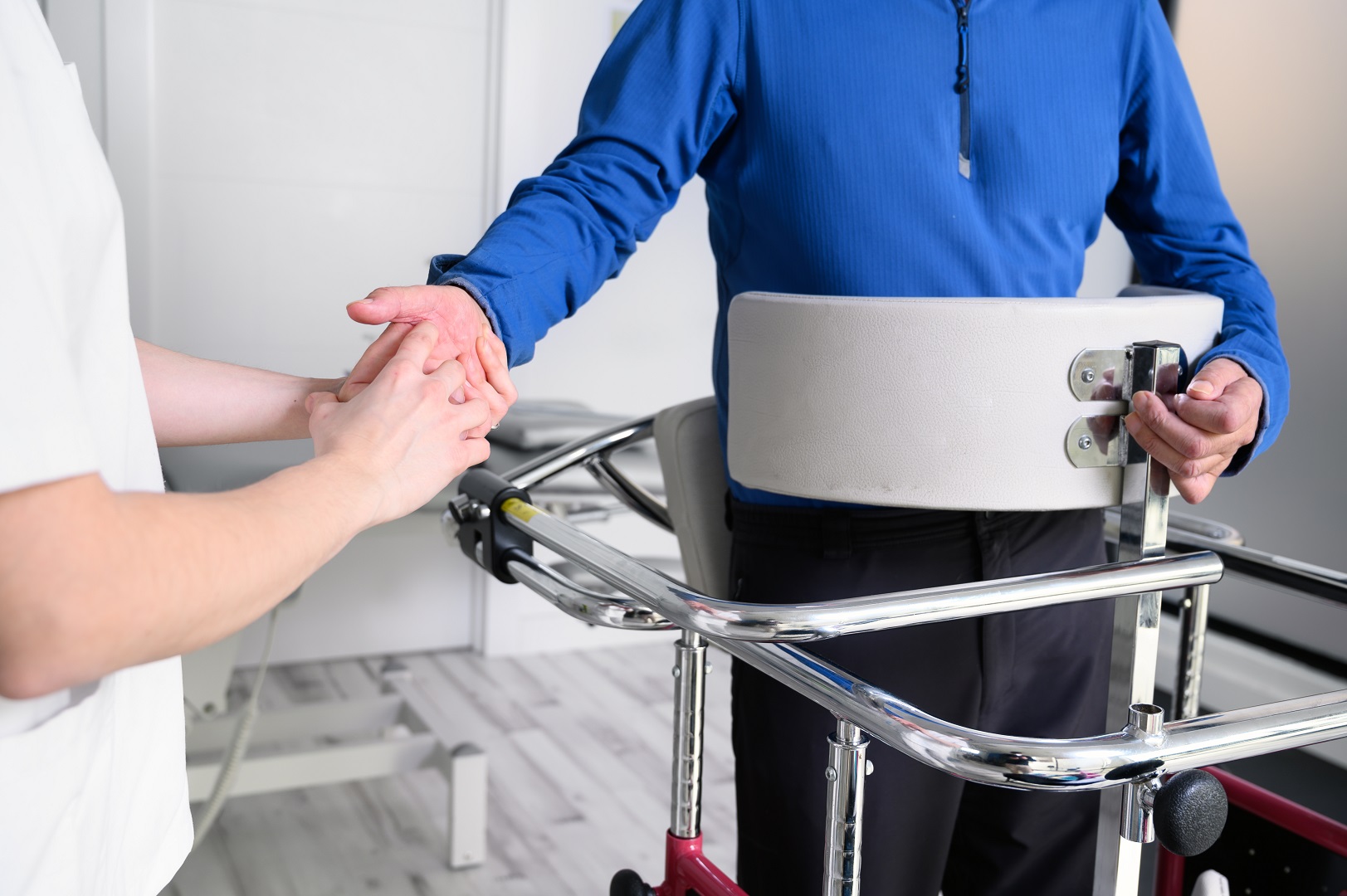
Orthopedic deformity correction surgery refers to a surgical procedure performed to address and rectify abnormalities or deformities in the musculoskeletal system, particularly in the bones and joints.
Deformities may arise from various causes, including congenital conditions, developmental issues, trauma, or diseases affecting the bones and joints. These deformities can affect the alignment, shape, or function of the skeletal system, leading to pain, functional limitations, and other complications.
Here are some common types of orthopedic deformity correction surgeries:
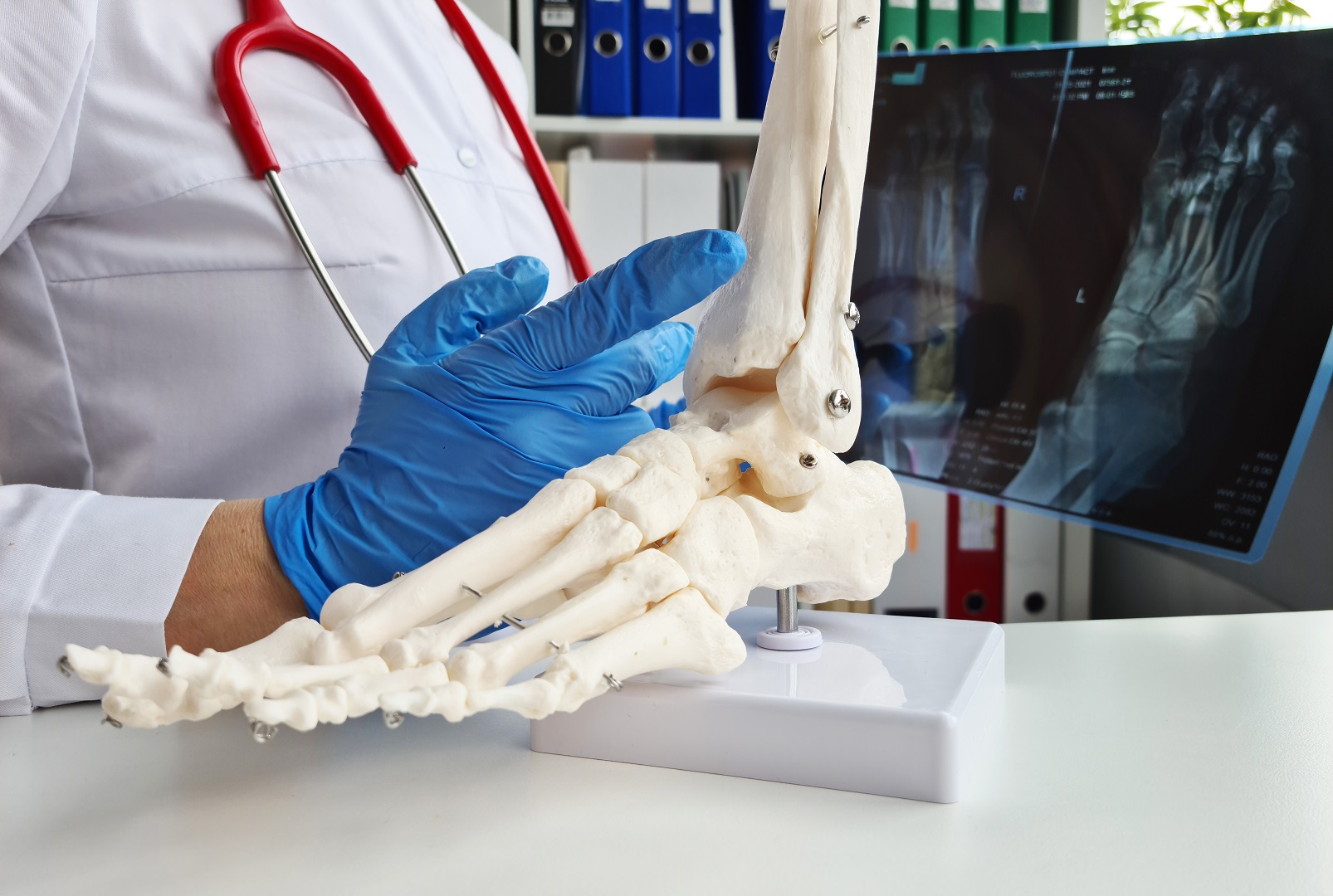
Here is a general overview of the steps involved in orthopedic deformity correction surgery:
Preoperative Planning:
1. Medical Evaluation: The patient undergoes a thorough medical evaluation to assess overall health and identify any potential risks associated with surgery.
2. Imaging Studies: X-rays, CT scans, MRI, or other imaging studies are performed to provide detailed images of the affected area and aid in surgical planning.
3. Discussion with the Patient: The surgeon discusses the procedure, potential risks, benefits, and expected outcomes with the patient.
Anesthesia:
1. Anesthesia Administration: The patient is given general anesthesia to ensure unconsciousness and pain relief during the surgery.
Incision: The surgeon makes an incision at the surgical site to access the affected bones, joints, or soft tissues.
Deformity Correction:
1. Osteotomy or Realignment: If the deformity involves bone misalignment, the surgeon performs an osteotomy to cut and reshape the bone or realign the joint.
2. Fixation: Internal fixation devices such as plates, screws, rods, or external fixators may be used to stabilize the corrected structures.
3. Soft Tissue Procedures: If necessary, procedures like soft tissue releases or lengthening are performed to address tight or contracted muscles, tendons, or ligaments.
Joint Resurfacing or Replacement: In cases of severe joint damage, the surgeon may perform joint replacement surgery, removing the damaged joint surfaces and replacing them with artificial components.
Fusion (if applicable): If fusion is part of the correction strategy, the surgeon fuses bones together using graft material, eliminating movement in the affected joint.
Closing the Incision: The surgeon closes the incision with sutures or staples.
Postoperative Care:
1. Recovery Room: The patient is monitored in the recovery room until awakening from anesthesia.
2. Hospital Stay: Depending on the complexity of the surgery, the patient may need to stay in the hospital for a specified period.
3. Rehabilitation: Physical therapy and rehabilitation are crucial for optimal recovery. Patients are guided through exercises to restore strength, flexibility, and function.
4. Follow-Up: Regular follow-up appointments are scheduled to monitor healing, assess progress, and address any concerns.
Complications and Risks:
1. Infection: There is a risk of infection at the surgical site.
2. Bleeding: Excessive bleeding during or after surgery is a potential complication.
3. Nerve or Vascular Injury: In rare cases, nerves or blood vessels near the surgical site may be injured.
4. Anesthetic Risks: Complications related to anesthesia may occur.
5. Failure to Correct Deformity: In some cases, complete correction may not be achieved.
India has become a popular destination for Orthopaedic Deformity Correction Surgery due to its world-class medical facilities, experienced surgeons, and lower costs compared to other countries. Indian hospitals have state-of-the-art technology and equipment and offer excellent healthcare services at an affordable price. Patients from around the world can benefit from the cost-effective and high-quality healthcare services offered in India.
Gomedi9 is a medical tourism company that specializes in helping patients plan and organize their medical travel to India. They provide a range of services to make the process of medical tourism hassle-free and convenient for patients.
Gomedi9 can help patients to choose the right hospital, book accommodation, arrange transportation, provide interpreters, and ensure that the patient receives the best possible medical treatment at an affordable price. They have a team of experienced professionals who guide patients throughout the process of medical tourism, from the initial consultation to post-operative care.
