

Welcome guest
Monday to Friday8AM - 9PM
AddressABC A-504, Rajnigandha Apartment, VADODARA-390007, GUJARAT, India.
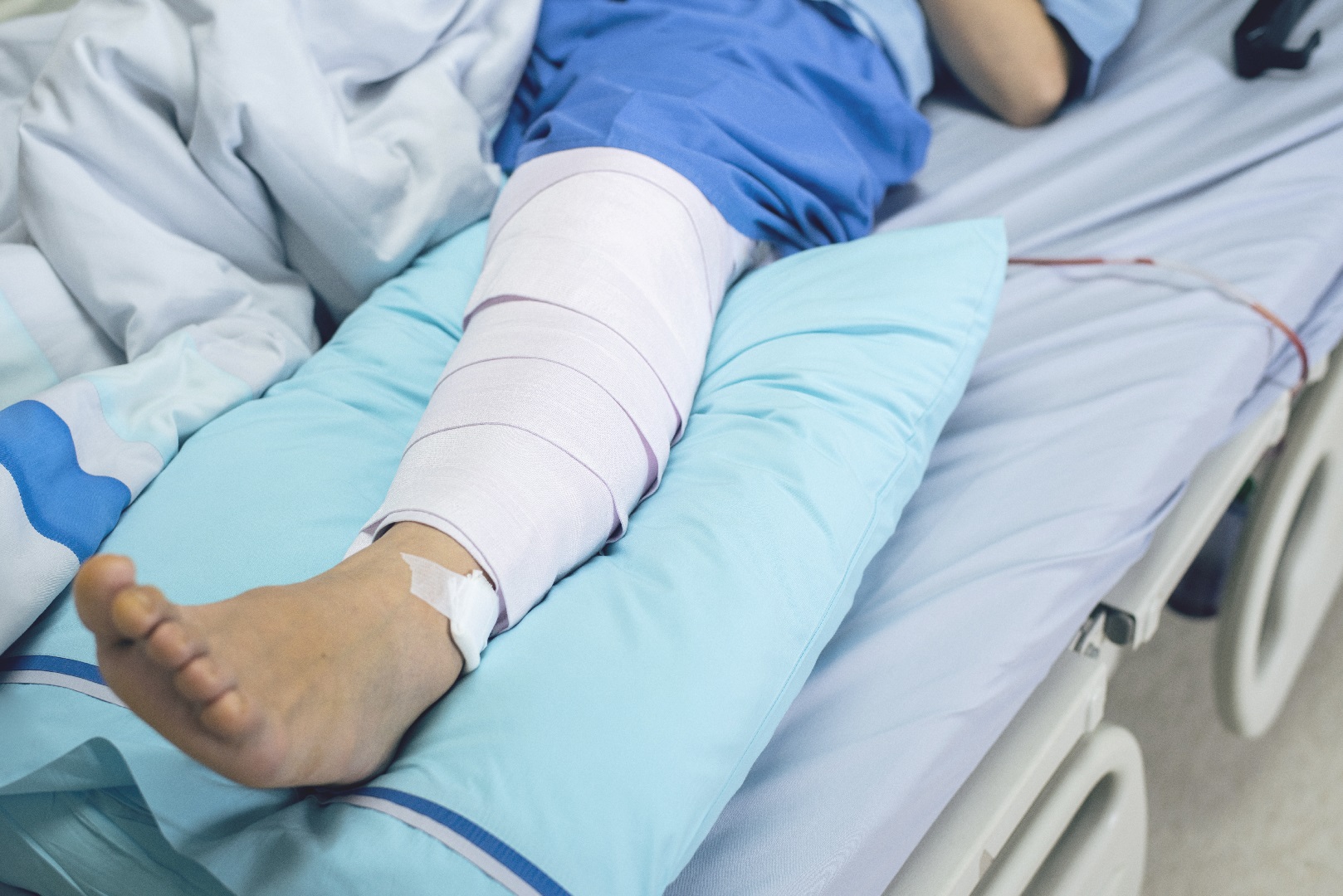
Limb lengthening is a medical procedure aimed at increasing the length of a person's limbs, typically the legs.
Limb lengthening is often performed on individuals with conditions like limb length inequality due to congenital factors, trauma, or other medical conditions. The procedure requires careful planning, monitoring, and rehabilitation to ensure optimal results and minimize complications.
Here are some common types of limb lengthening procedures:

Following are the procedure steps:
Preoperative Planning: The surgeon assesses the patient's condition through physical examinations, imaging studies, and detailed measurements. A treatment plan is developed, considering factors such as the desired lengthening, the condition being treated, and the overall health of the patient.
Surgery: The patient is placed under general anesthesia. The surgeon makes small incisions to expose the bone at both ends of the limb that requires lengthening. The external fixator device is attached to the bone through wires or pins. The fixator consists of rings connected by rods. Surgical cuts, known as osteotomies, are made in the bone to allow for controlled separation during the lengthening process.
Fixator Application: The rings of the external fixator are secured to the bone with wires or pins, ensuring stability. The surgeon adjusts the fixator to initiate controlled distraction between the bone segments.
This distraction encourages the growth of new bone tissue in the gap.
Postoperative Care: Patients are monitored closely in the hospital for the initial stages of recovery. Pain management and infection prevention measures are implemented. Physical therapy may begin to help maintain joint mobility and prevent muscle contractures.
Distraction Phase: After the initial surgery, the external fixator is adjusted regularly to gradually lengthen the bone. This is typically done at a rate of about 1 millimeter per day. The distraction phase can last several weeks or months, depending on the amount of lengthening required.
Consolidation Phase: Once the desired length is achieved, the bone is allowed time to consolidate and harden. X-rays are taken periodically to monitor bone healing and alignment.
Fixator Removal: Once sufficient healing has occurred, the external fixator is removed through a relatively simple outpatient procedure.
Rehabilitation: Physical therapy and rehabilitation play a crucial role in restoring function, strength, and mobility to the limb. Patients may gradually return to weight-bearing activities based on their individual progress.
India has become a popular destination for Limb Lengthening due to its world-class medical facilities, experienced surgeons, and lower costs compared to other countries. Indian hospitals have state-of-the-art technology and equipment and offer excellent healthcare services at an affordable price. Patients from around the world can benefit from the cost-effective and high-quality healthcare services offered in India.
Gomedi9 is a medical tourism company that specializes in helping patients plan and organize their medical travel to India. They provide a range of services to make the process of medical tourism hassle-free and convenient for patients.
Gomedi9 can help patients to choose the right hospital, book accommodation, arrange transportation, provide interpreters, and ensure that the patient receives the best possible medical treatment at an affordable price. They have a team of experienced professionals who guide patients throughout the process of medical tourism, from the initial consultation to post-operative care.
