

Welcome guest
Monday to Friday8AM - 9PM
AddressABC A-504, Rajnigandha Apartment, VADODARA-390007, GUJARAT, India.
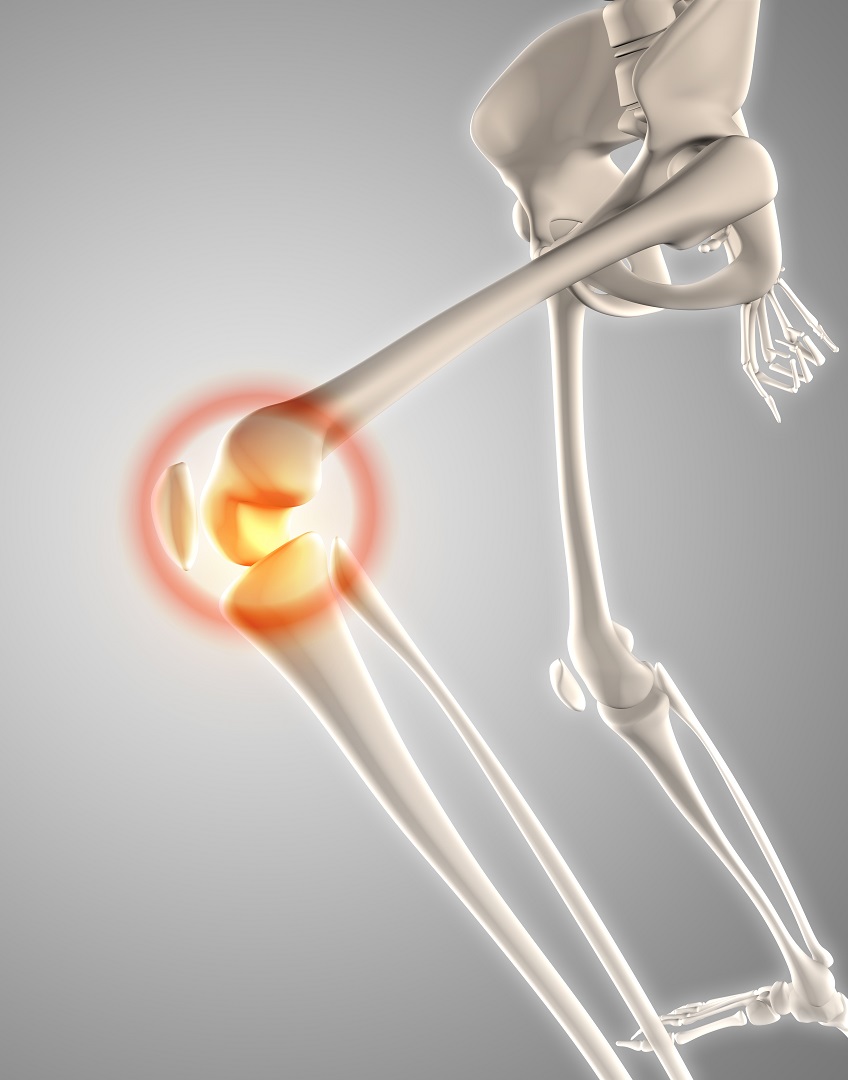
Knee arthroscopy is a surgical procedure that involves the use of a small camera to examine and treat various conditions affecting the knee joint.
Knee arthroscopy is considered a minimally invasive technique compared to traditional open surgery, resulting in potentially shorter recovery times, reduced pain, and less scarring for the patient. It is commonly used for a variety of knee conditions, including meniscal tears, ligament injuries, cartilage damage, and certain inflammatory conditions of the joint.
Here are some common types of knee arthroscopy procedures:
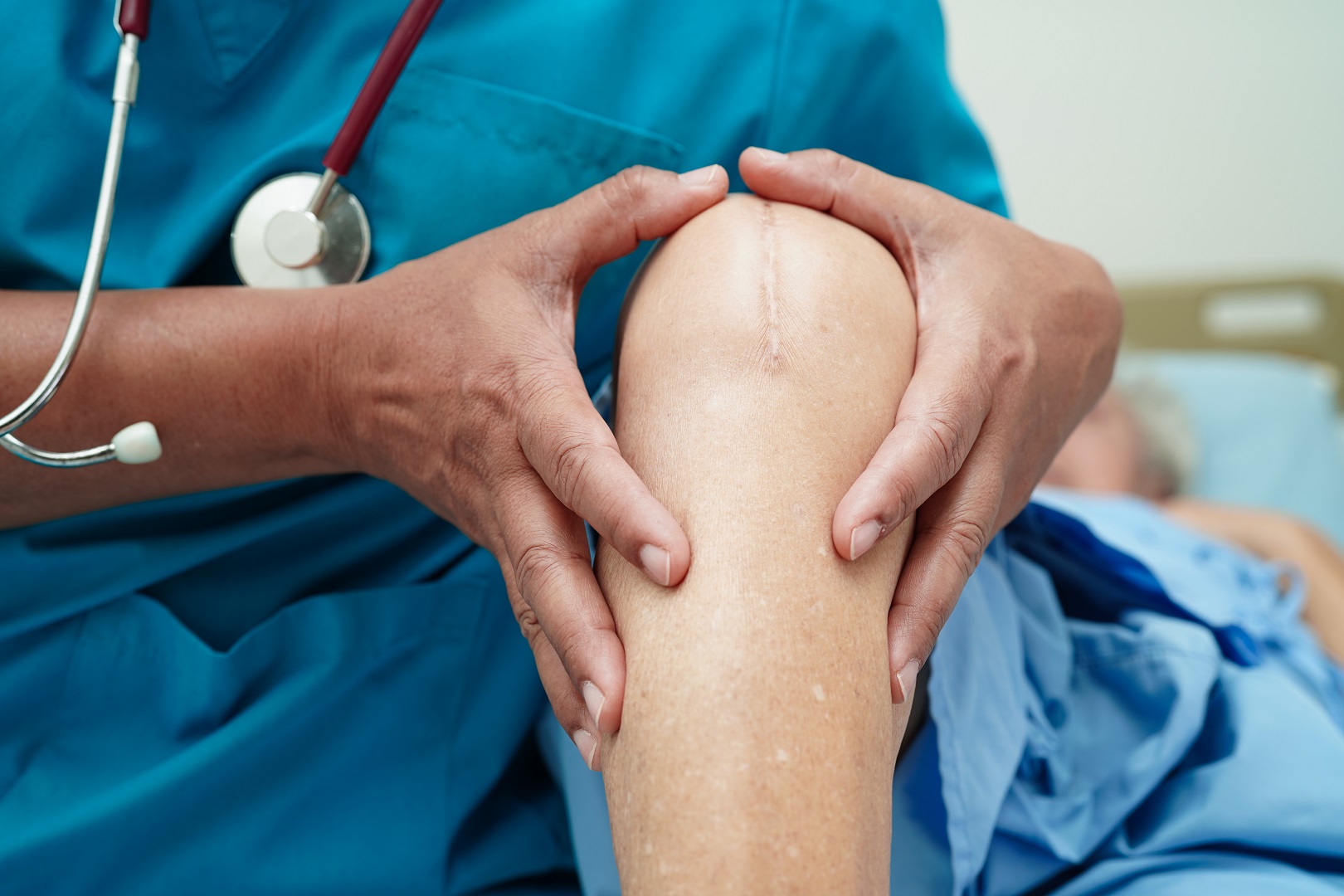
Here is a general overview of the steps involved in knee arthroscopy:
Patient Preparation: The patient is typically placed under general anesthesia or given a regional anesthetic to numb the lower body. The surgical team monitors the patient's vital signs throughout the procedure.
Incision and Arthroscope Insertion: The surgeon makes small incisions (usually 2-4) around the knee joint. Sterile fluid is injected into the joint to expand it, providing a clearer view and creating space for the arthroscope. The arthroscope, a thin tube with a camera and light source, is inserted through one of the incisions.
Visualization and Diagnosis: The surgeon examines the interior of the knee joint on a monitor connected to the arthroscope. The structures, such as cartilage, ligaments, menisci, and synovium, are carefully inspected to diagnose any issues.
Treatment Procedures: Depending on the findings, the surgeon may perform various treatments during the same arthroscopic procedure. Common procedures include:
1. Meniscal repair: Stitching together torn meniscus.
2. Ligament reconstruction: Repair or reconstruction of damaged ligaments.
3. Cartilage procedures: Debridement, repair, or regeneration techniques for damaged cartilage.
4. Synovectomy: Removal of inflamed synovial tissue.
5. Loose body removal: Extraction of loose bone or cartilage fragments.
Closure: After completing the necessary procedures, the surgeon removes the arthroscope and any additional instruments. The incisions are closed with stitches or adhesive strips.
Recovery and Rehabilitation: The patient is taken to the recovery room and monitored as they wake up from anesthesia. Depending on the extent of the procedure, the patient may be able to go home the same day or may require a short hospital stay. Physical therapy and rehabilitation are often recommended to help restore knee function and strength.
India has become a popular destination for Knee Arthroscopy due to its world-class medical facilities, experienced surgeons, and lower costs compared to other countries. Indian hospitals have state-of-the-art technology and equipment and offer excellent healthcare services at an affordable price. Patients from around the world can benefit from the cost-effective and high-quality healthcare services offered in India.
Gomedi9 is a medical tourism company that specializes in helping patients plan and organize their medical travel to India. They provide a range of services to make the process of medical tourism hassle-free and convenient for patients.
Gomedi9 can help patients to choose the right hospital, book accommodation, arrange transportation, provide interpreters, and ensure that the patient receives the best possible medical treatment at an affordable price. They have a team of experienced professionals who guide patients throughout the process of medical tourism, from the initial consultation to post-operative care.
