

Welcome guest
Monday to Friday8AM - 9PM
AddressABC A-504, Rajnigandha Apartment, VADODARA-390007, GUJARAT, India.
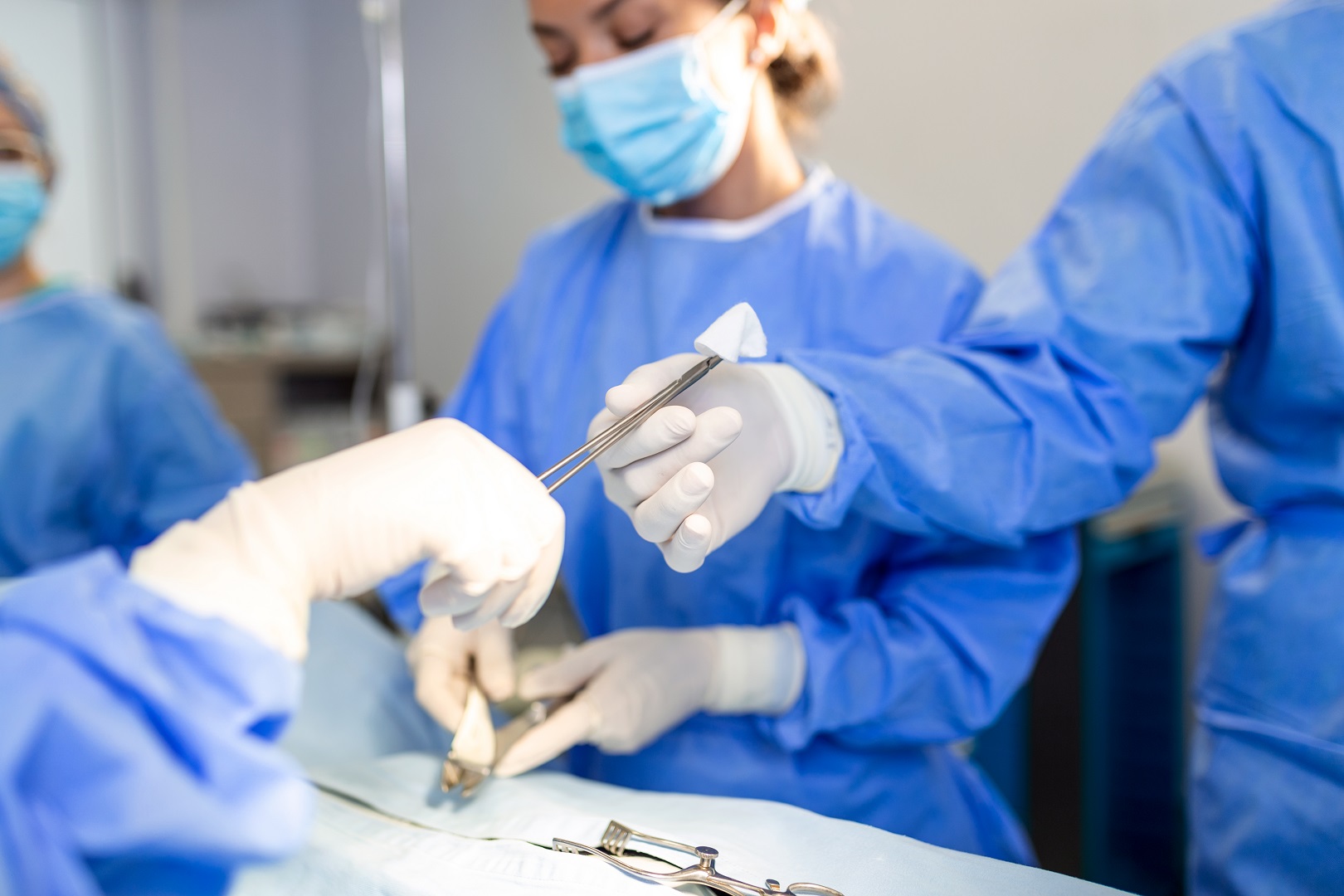
Tendon repair surgery is a medical procedure performed to address injuries or damage to tendons, which are tough bands of tissue that connect muscles to bones.
Tendon repair surgery aims to restore the continuity and function of the damaged tendon. The procedure involves rejoining the torn or severed ends of the tendon, promoting healing, and facilitating the restoration of normal movement and strength.
Here are some common types of tendon repair surgeries:
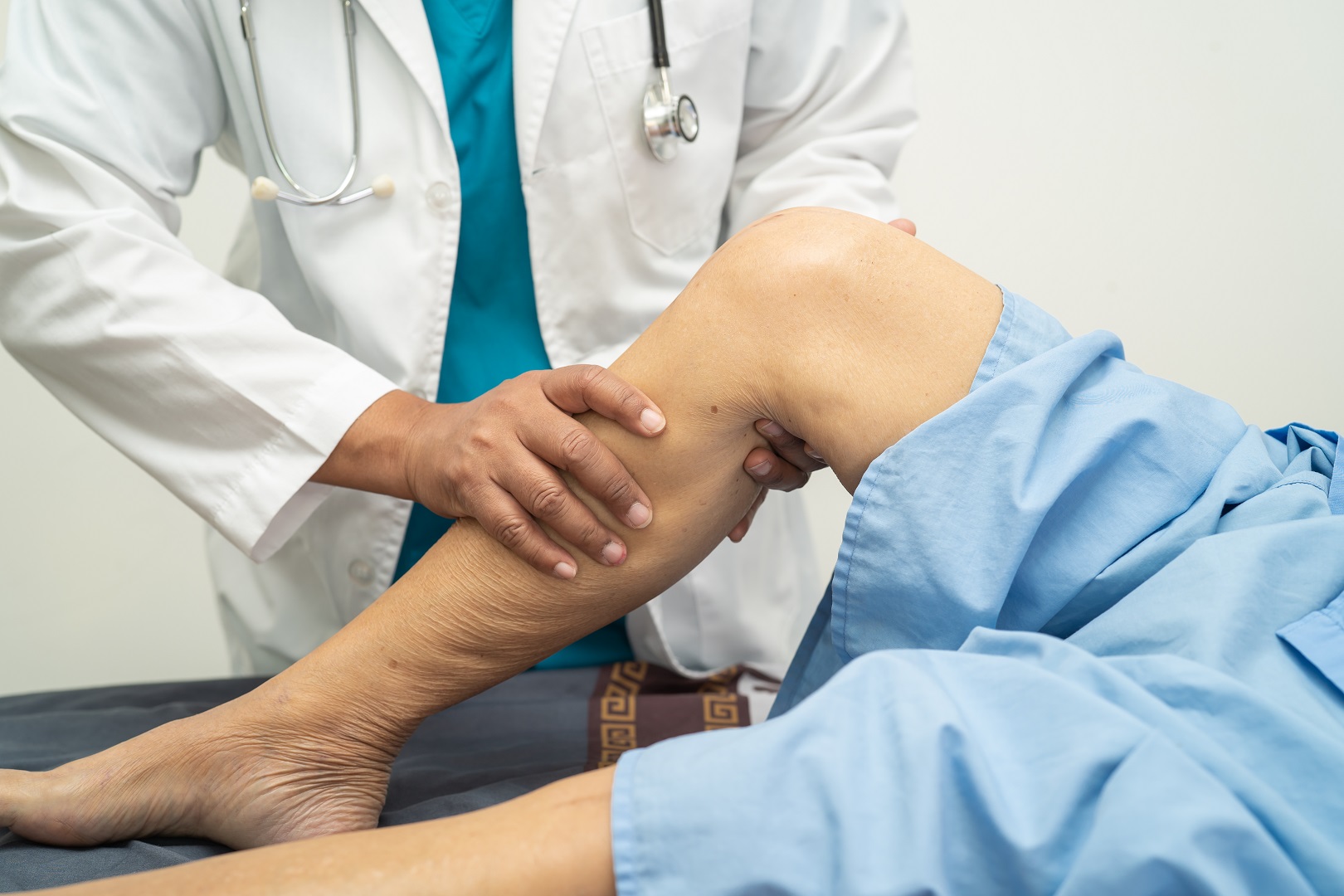
Below is a general outline of the steps involved in a typical tendon repair surgery:
Preoperative Preparation:
a. Patient Evaluation: The surgeon assesses the patient's overall health, medical history, and the extent of the tendon injury through physical examination and imaging studies.
b. Anesthesia: The patient is typically placed under either local anesthesia with sedation or general anesthesia, depending on the complexity of the surgery.
Surgical Steps:
a. Incision: The surgeon makes an incision over the area where the injured tendon is located. The size and location of the incision depend on the specific tendon and the surgical approach.
b. Tendon Exposure: The tissues are carefully dissected to expose the damaged tendon. Surrounding structures, such as muscle and connective tissue, may be gently moved aside to access the tendon.
c. Tendon Inspection: The surgeon examines the torn ends of the tendon to assess the extent of the injury and ensure that healthy tissue is present for a successful repair.
d. Tendon Repair: Depending on the type of injury, the surgeon employs various techniques: For a simple tear, the torn ends may be sutured together using strong stitches. In cases of severe damage or gaps, grafts (either autografts or allografts) may be used to bridge the defect. Tendon transfers may be performed if the damaged tendon cannot be repaired directly.
e. Closure: Once the tendon repair is complete, the surgeon closes the incision with stitches or other closure methods.
Postoperative Care:
a. Immobilization: The repaired tendon may be immobilized using a splint or cast to protect it during the initial stages of healing.
b. Rehabilitation: Physical therapy is initiated to gradually restore range of motion, strength, and function. The specific rehabilitation plan depends on the type of tendon repair and the surgeon's recommendations.
Follow-Up: The patient attends follow-up appointments to monitor the healing process, remove stitches, and adjust the rehabilitation plan if necessary.
India has become a popular destination for Tendon Repair Surgery due to its world-class medical facilities, experienced surgeons, and lower costs compared to other countries. Indian hospitals have state-of-the-art technology and equipment and offer excellent healthcare services at an affordable price. Patients from around the world can benefit from the cost-effective and high-quality healthcare services offered in India.
Gomedi9 is a medical tourism company that specializes in helping patients plan and organize their medical travel to India. They provide a range of services to make the process of medical tourism hassle-free and convenient for patients.
Gomedi9 can help patients to choose the right hospital, book accommodation, arrange transportation, provide interpreters, and ensure that the patient receives the best possible medical treatment at an affordable price. They have a team of experienced professionals who guide patients throughout the process of medical tourism, from the initial consultation to post-operative care.
