

Welcome guest
Monday to Friday8AM - 9PM
AddressABC A-504, Rajnigandha Apartment, VADODARA-390007, GUJARAT, India.
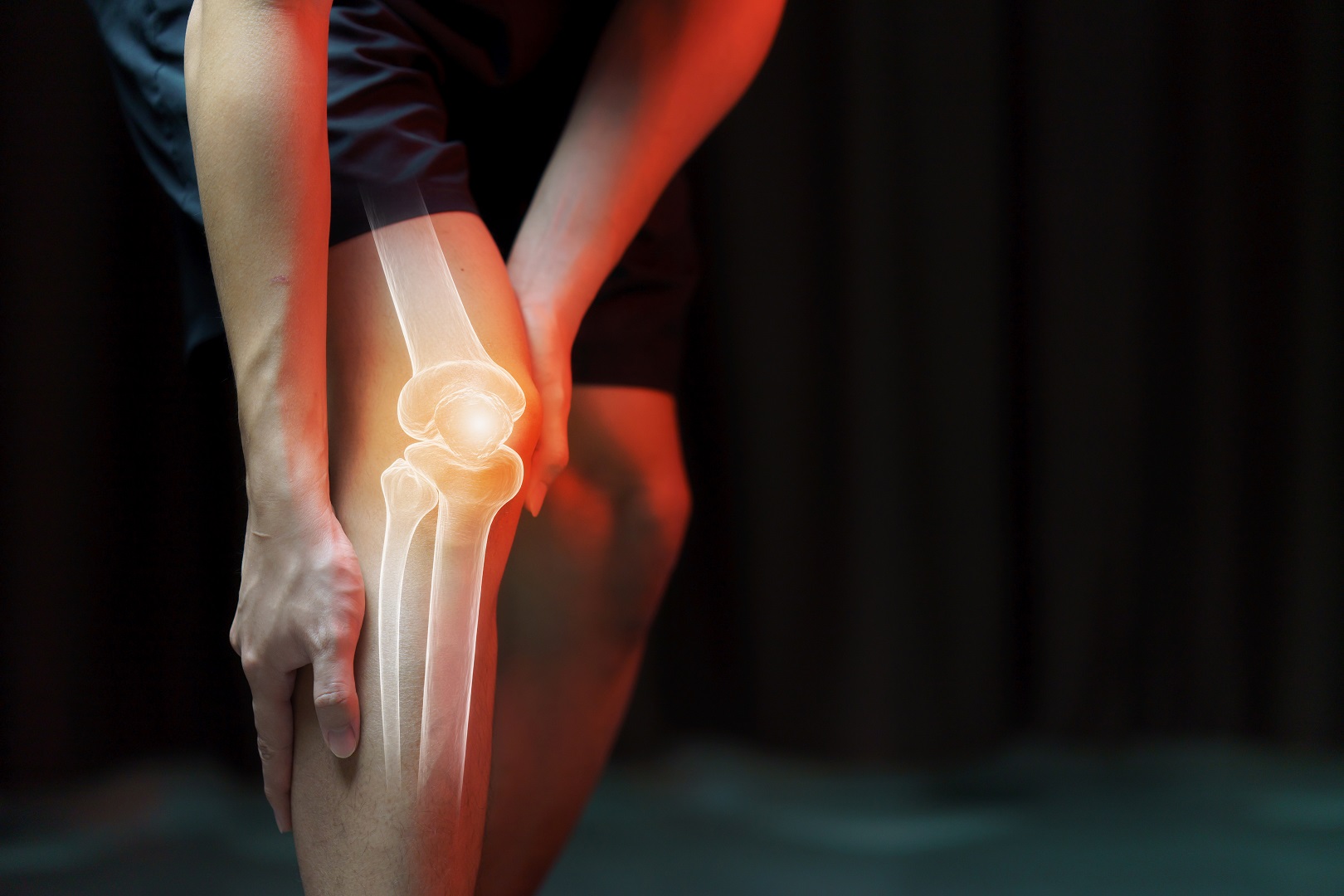
Arthroscopic surgery is a minimally invasive surgical procedure used to diagnose and treat problems in joints.
During arthroscopic surgery, a surgeon makes small incisions near the joint and inserts a thin, flexible tube with a light and a camera, known as an arthroscope. The arthroscope allows the surgeon to visualize the inside of the joint on a monitor, providing a clear view of the structures and allowing for precise examination.
Here are some common types of orthopaedic arthroscopic surgeries performed on different joints:
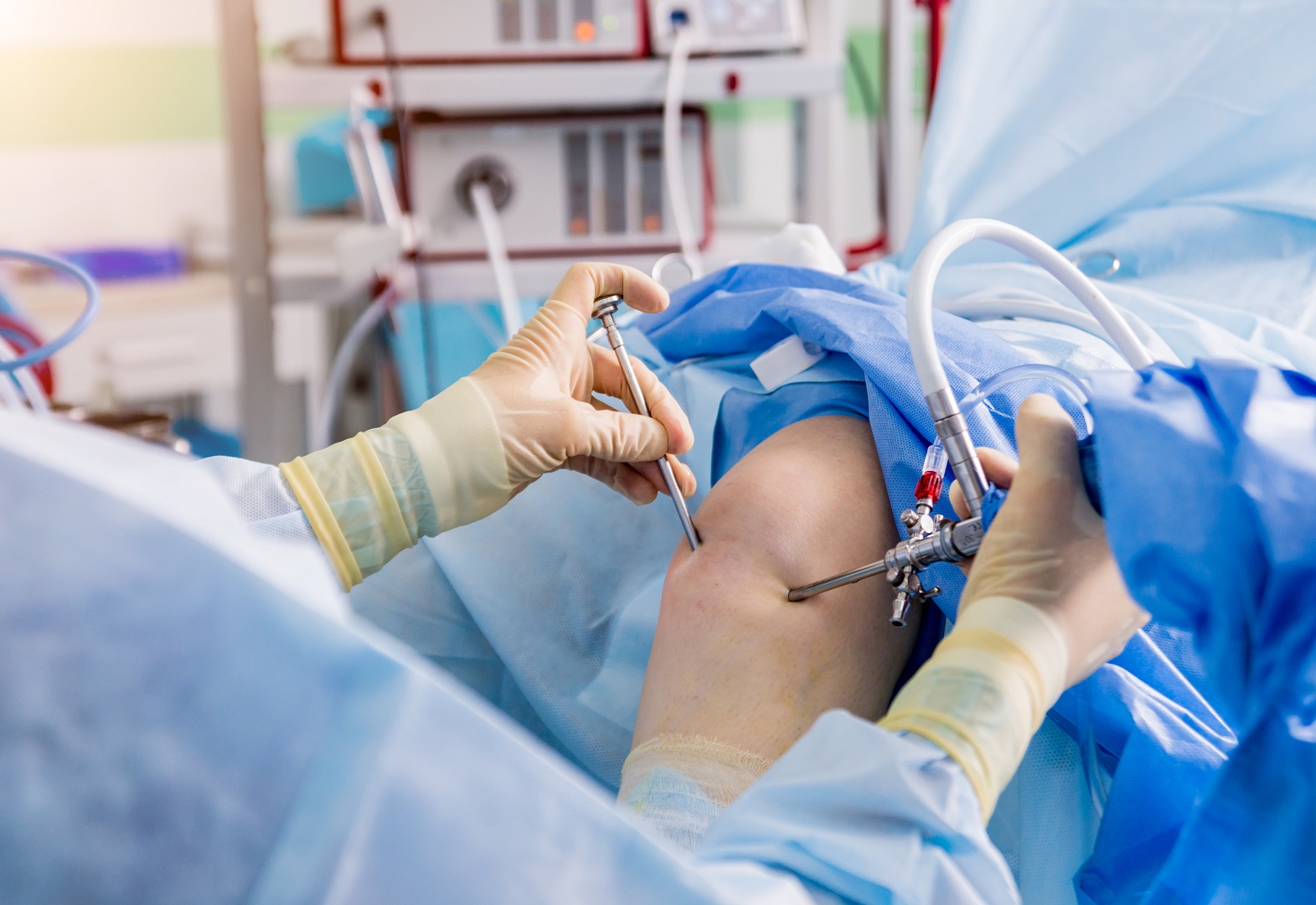
Here is a general outline of the steps involved in a typical arthroscopic surgery:
Preoperative Preparation:
1. Patient Evaluation: The patient undergoes a thorough examination, medical history review, and diagnostic imaging (such as MRI or X-rays) to determine the extent of the joint problem.
2. Anesthesia: The patient is administered anesthesia, which may be local, regional, or general, depending on the joint and the complexity of the procedure.
Surgical Procedure:
1. Incision: Small incisions, usually ranging from 5 to 10 millimeters, are made near the joint. These serve as entry points for the arthroscope and surgical instruments.
2. Joint Distension: A sterile fluid, typically saline, is introduced into the joint to expand it, providing the surgeon with a clearer view and creating space to work.
3. Arthroscope Insertion: The arthroscope, a thin tube with a light and camera on the end, is inserted through one of the incisions. It transmits images to a monitor, allowing the surgeon to visualize the interior of the joint.
4. Diagnostic Inspection: The surgeon examines the joint structures, identifies the problem, and determines the appropriate course of action.
5. Surgical Intervention: Using specialized instruments inserted through the other incisions, the surgeon performs the necessary procedures. This may include repairing or removing damaged tissue, suturing tears, or addressing other issues specific to the joint.
6. Closure of Incisions: Once the procedure is complete, the surgeon closes the small incisions with sutures or adhesive strips.
Postoperative Care:
1. Recovery Room: The patient is monitored in a recovery area until the effects of the anesthesia wear off.
2. Pain Management: Pain medications may be prescribed to manage postoperative discomfort.
3. Physical Therapy: Rehabilitation often involves physical therapy to promote healing, restore range of motion, and strengthen the joint.
4. Follow-up Care: The patient is scheduled for follow-up appointments to monitor progress and address any concerns.
Benefits of Arthroscopic Surgery:
1. Minimally Invasive: Arthroscopy involves smaller incisions compared to traditional open surgery, reducing trauma to surrounding tissues.
2. Faster Recovery: Patients typically experience less pain, swelling, and a quicker return to normal activities compared to open surgery.
3. Diagnostic and Therapeutic: Arthroscopy allows both diagnosis and treatment during the same procedure.
India has become a popular destination for Arthroscopic Surgery due to its world-class medical facilities, experienced surgeons, and lower costs compared to other countries. Indian hospitals have state-of-the-art technology and equipment and offer excellent healthcare services at an affordable price. Patients from around the world can benefit from the cost-effective and high-quality healthcare services offered in India.
Gomedi9 is a medical tourism company that specializes in helping patients plan and organize their medical travel to India. They provide a range of services to make the process of medical tourism hassle-free and convenient for patients.
Gomedi9 can help patients to choose the right hospital, book accommodation, arrange transportation, provide interpreters, and ensure that the patient receives the best possible medical treatment at an affordable price. They have a team of experienced professionals who guide patients throughout the process of medical tourism, from the initial consultation to post-operative care.
