

Welcome guest
Monday to Friday8AM - 9PM
AddressABC A-504, Rajnigandha Apartment, VADODARA-390007, GUJARAT, India.
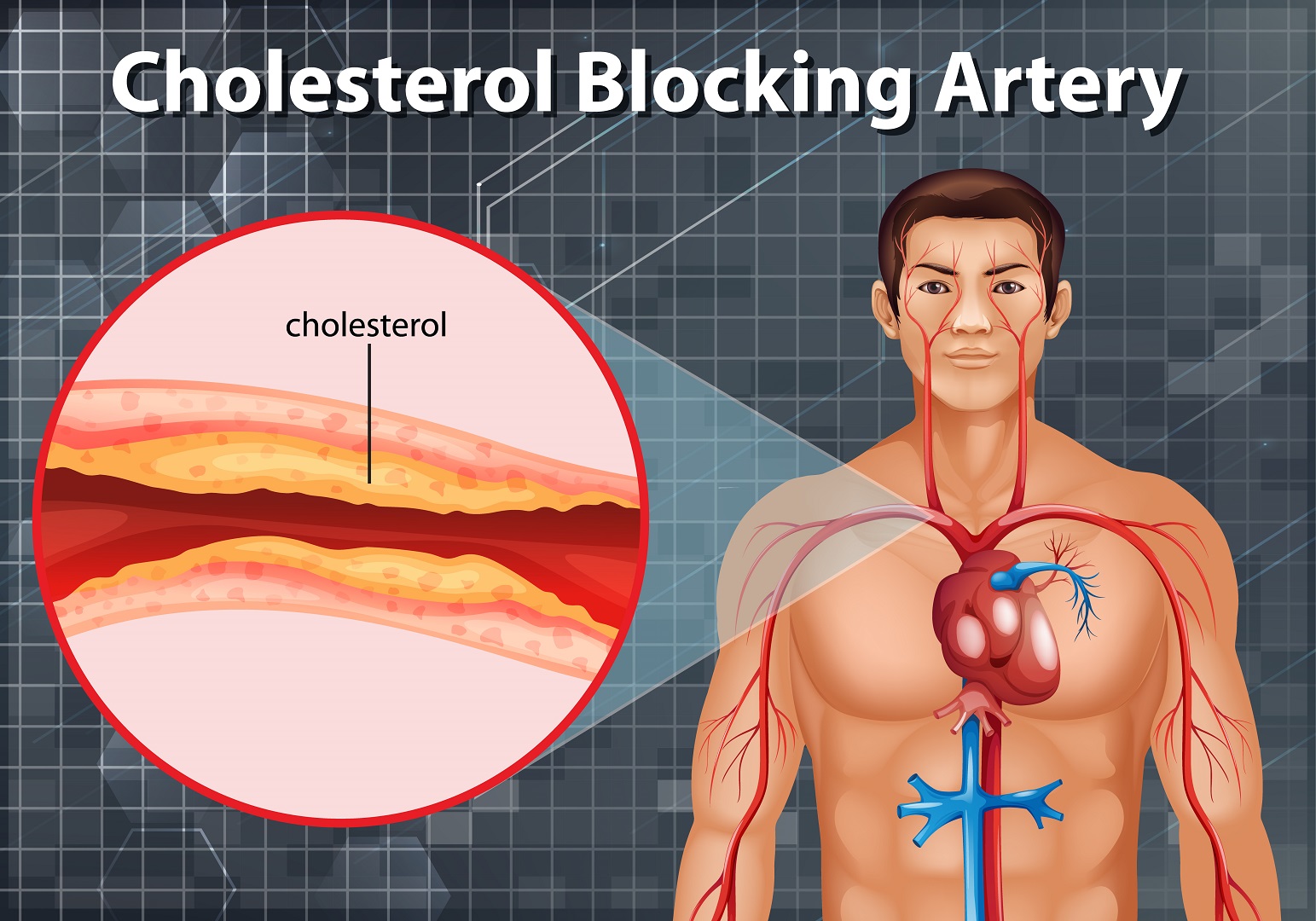
Carotid stenting is a medical procedure used to treat carotid artery disease, which involves the major blood vessels in the neck that supply blood to the brain.
The procedure is typically performed to prevent stroke in individuals with significant carotid artery blockages. Carotid stenting is a minimally invasive approach and is an alternative to carotid endarterectomy, which is a surgical procedure to remove plaque from the carotid artery.
There are different types of carotid stenting, which can be categorized based on the approach used and the devices employed:
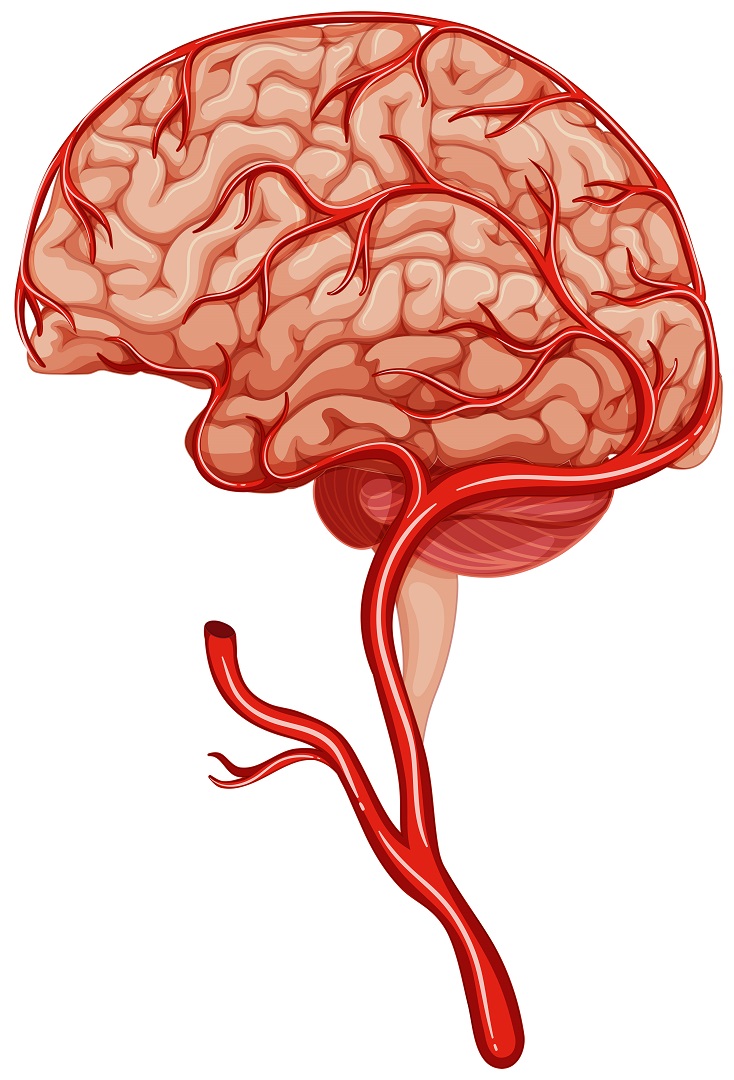
Here are the general steps involved in a carotid stenting surgery procedure:
Patient Preparation: The patient is typically prepared for the procedure in an interventional radiology or catheterization lab. An intravenous line is inserted to administer medications and fluids during the procedure. The patient's vital signs, such as blood pressure, heart rate, and oxygen saturation, are monitored throughout the procedure.
Local Anesthesia: The area where the catheter will be inserted (usually the groin or wrist) is cleaned and numbed with a local anesthetic to minimize discomfort during catheter insertion.
Catheter Insertion: A small incision is made in the groin or wrist to access the arterial system. A catheter, a long, thin tube, is carefully threaded through the arterial system, guided by fluoroscopy, to reach the carotid artery in the neck.
Angiography: A contrast dye is injected through the catheter into the carotid artery to make it visible on X-ray images. These images help the medical team visualize the blockage or narrowing in the carotid artery and assess its severity.
Balloon Angioplasty: In many cases, a balloon-tipped catheter is positioned at the site of the blockage. The balloon is inflated, which compresses the plaque against the artery walls, widening the narrowed segment to restore blood flow. The balloon is then deflated and removed.
Stent Placement: A stent, which is a small mesh tube, is inserted over a catheter and positioned at the site of the blockage. The stent is expanded by inflating a balloon within it (similar to angioplasty). The stent remains in place permanently, holding the artery open and maintaining proper blood flow.
Embolic Protection: Some procedures involve the use of embolic protection devices. These devices are placed just beyond the blockage to capture any debris or plaque that may break loose during the procedure, reducing the risk of stroke.
Final Angiography: Another set of angiograms is performed to confirm that the stent is properly positioned, and blood flow is restored to the carotid artery.
Catheter Removal and Closure: The catheter is carefully removed from the access site. Pressure is applied to the incision site to prevent bleeding, and a closure device or manual pressure is used to seal the incision.
The choice of approach and type of stent used may depend on the patient's specific medical condition, the location and severity of the blockage in the carotid artery, and the surgeon's preference and expertise.
Carotid stenting is typically performed by interventional radiologists or vascular surgeons and is considered when the benefits outweigh the risks, especially in patients at high risk of stroke due to carotid artery disease.
India has become a popular destination for Carotid Stenting due to its world-class medical facilities, experienced surgeons, and lower costs compared to other countries. Indian hospitals have state-of-the-art technology and equipment and offer excellent healthcare services at an affordable price. Patients from around the world can benefit from the cost-effective and high-quality healthcare services offered in India.
Gomedi9 is a medical tourism company that specializes in helping patients plan and organize their medical travel to India. They provide a range of services to make the process of medical tourism hassle-free and convenient for patients.
Gomedi9 can help patients to choose the right hospital, book accommodation, arrange transportation, provide interpreters, and ensure that the patient receives the best possible medical treatment at an affordable price. They have a team of experienced professionals who guide patients throughout the process of medical tourism, from the initial consultation to post-operative care.
