

Welcome guest
Monday to Friday8AM - 9PM
AddressABC A-504, Rajnigandha Apartment, VADODARA-390007, GUJARAT, India.
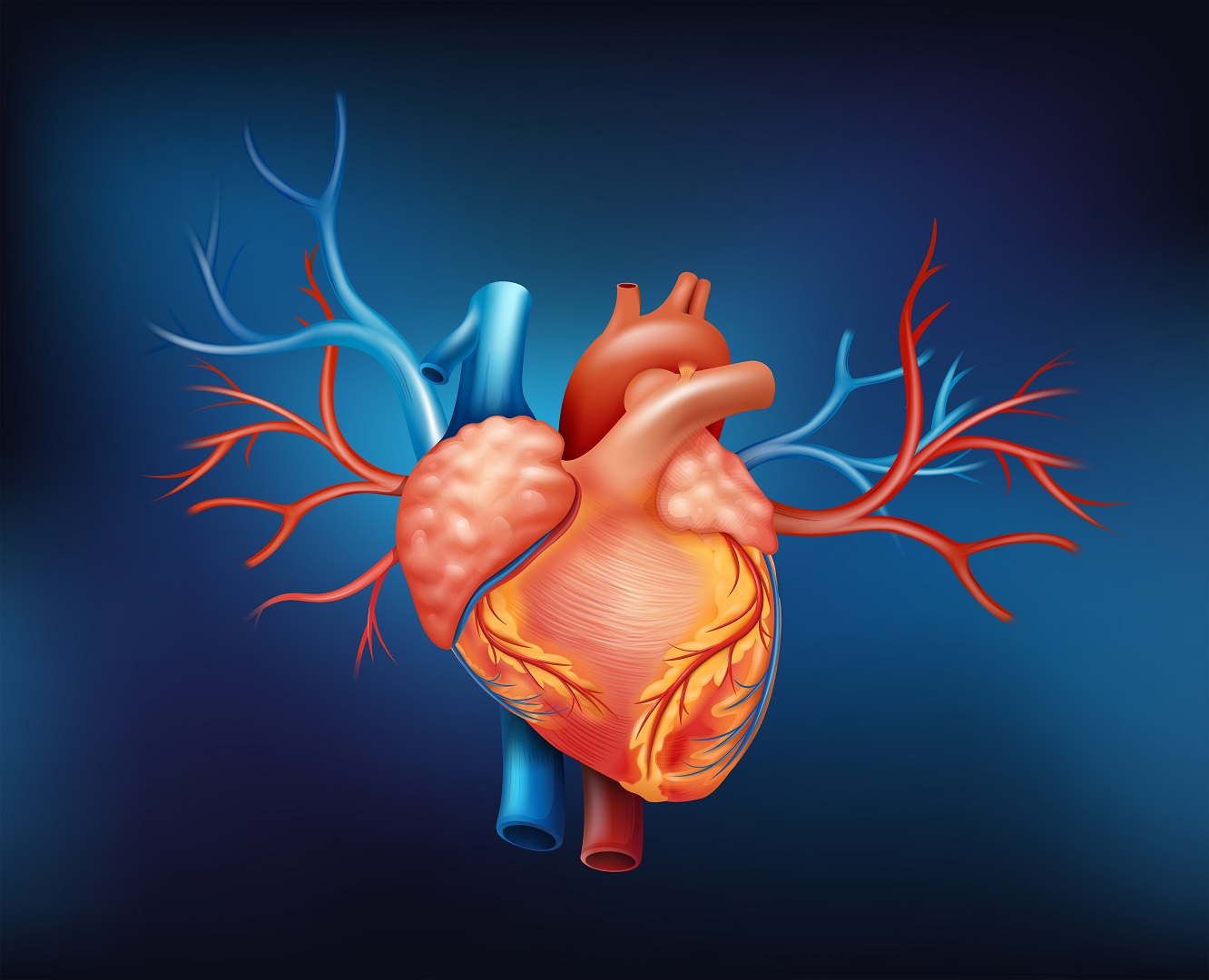
Cardiac heart bypass surgery is a medical procedure used to treat coronary artery disease.
During cardiac bypass surgery, a surgeon creates new pathways for blood to flow to the heart muscle by using blood vessels from other parts of the body or synthetic grafts.
The primary types of Cardiac Bypass surgery procedures include:
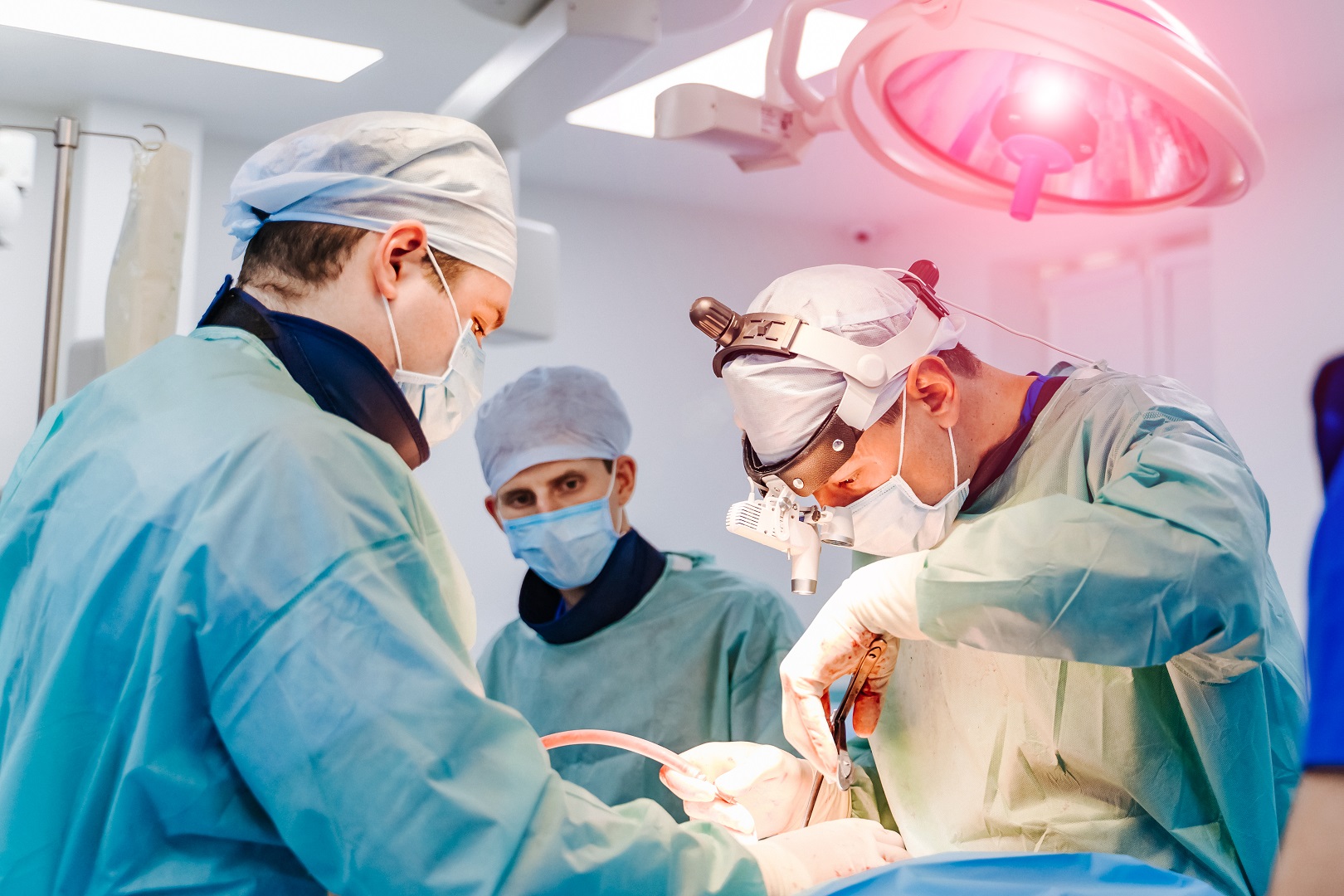
Here's an overview of the typical procedure:
Preparation: Before the surgery, the patient is prepared for anesthesia. Monitors are attached to track vital signs such as heart rate, blood pressure, and oxygen levels.
Incision: A vertical incision is made in the middle of the chest to access the heart.
Access to the Heart: The breastbone is divided, and the ribcage is gently spread apart to provide access to the heart.
Heart-Lung Bypass Machine: To allow the surgeon to work on the heart without it pumping blood, a heart-lung bypass machine is connected to the patient. This machine takes over the function of the heart and lungs during the surgery.
Harvesting Grafts: The surgeon identifies suitable blood vessels to use as grafts. Common grafts include the saphenous vein from the leg or internal mammary arteries from the chest wall.
Graft Placement: The surgeon attaches one end of the graft to the aorta and the other end to the coronary artery beyond the blockage. This creates a detour or bypass around the blocked or narrowed portion of the coronary artery.
Multiple Grafts: Depending on the number of blockages and the complexity of the disease, the surgeon may create multiple bypass grafts during the same procedure.
Heart Restart: After the grafts are in place and the surgeon is satisfied with the results, the heart-lung bypass machine is gradually disconnected, and the heart is restarted. It's closely monitored to ensure proper function.
Closing the Chest: Once the heart is working on its own, the surgeon closes the chest by rejoining the divided sternum with wires, sutures, or other closure methods. Small drainage tubes may be placed to remove excess fluid from around the heart.
Recovery: The patient is transferred to the intensive care unit (ICU) for close monitoring. As the patient recovers and stabilizes, they will be moved to a regular hospital room.
Postoperative Care: The patient will receive postoperative care, including pain management, medication, monitoring of vital signs, and physical therapy to aid in recovery.
Cardiac heart bypass surgery is a significant procedure, and patients should discuss the risks, benefits, and potential alternatives with their healthcare team.
The choice of surgical approach and grafts used can depend on the individual patient's condition and the surgeon's recommendations.
India has become a popular destination for Cardiac Heart Bypass due to its world-class medical facilities, experienced surgeons, and lower costs compared to other countries. Indian hospitals have state-of-the-art technology and equipment and offer excellent healthcare services at an affordable price. Patients from around the world can benefit from the cost-effective and high-quality healthcare services offered in India.
Gomedi9 is a medical tourism company that specializes in helping patients plan and organize their medical travel to India. They provide a range of services to make the process of medical tourism hassle-free and convenient for patients.
Gomedi9 can help patients to choose the right hospital, book accommodation, arrange transportation, provide interpreters, and ensure that the patient receives the best possible medical treatment at an affordable price. They have a team of experienced professionals who guide patients throughout the process of medical tourism, from the initial consultation to post-operative care.
