

Gomedi9 - CARDIAC CORONARY ANGIOGRAPHY
gomedi9
 

Welcome guest

Monday to Friday8AM - 9PM
AddressABC A-504, Rajnigandha Apartment, VADODARA-390007, GUJARAT, India.

prdDiv1Img1.jpg

Coronary Angiography is a medical procedure used to visualize the coronary arteries that supply blood to the heart muscle.

Coronary Angiography

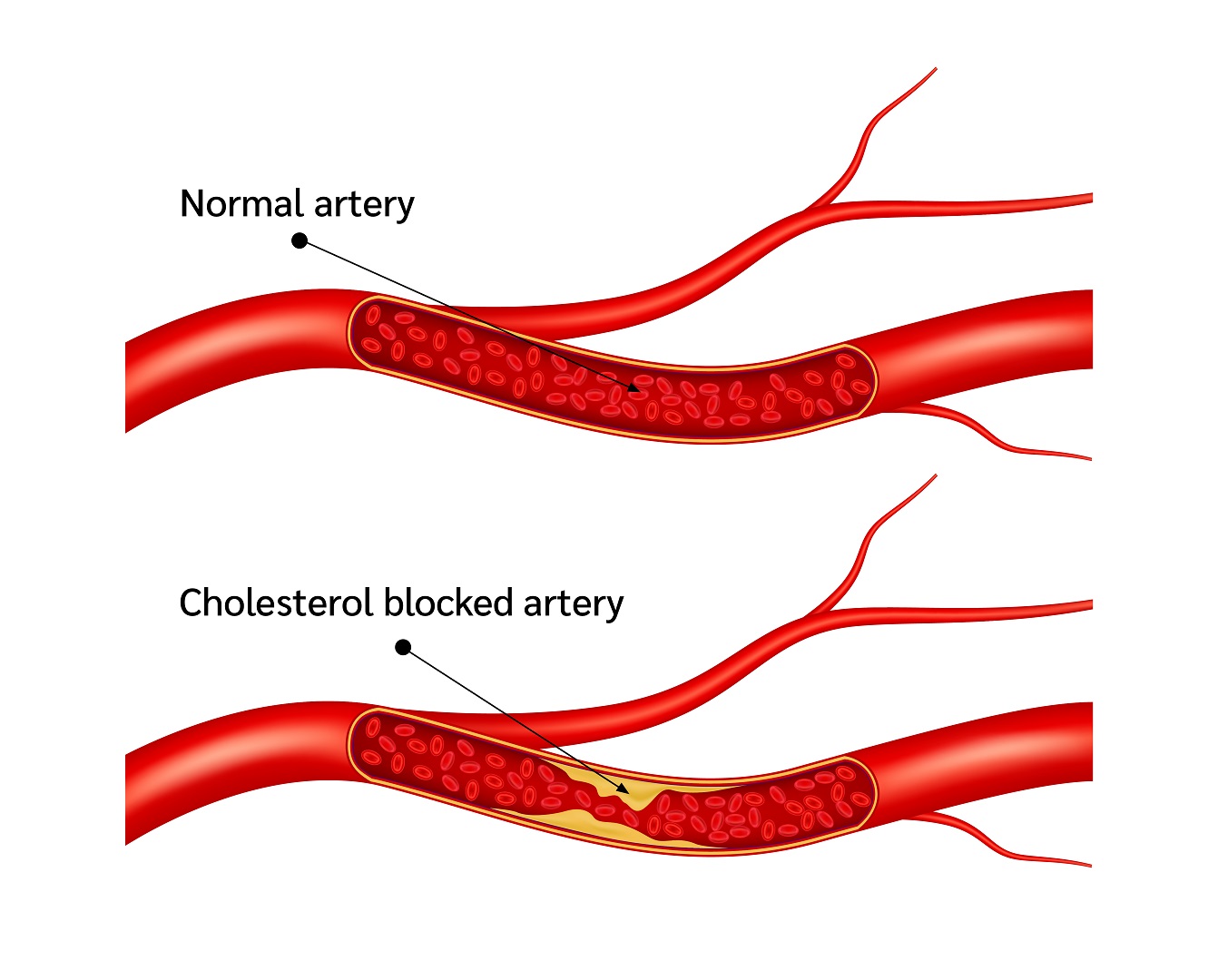
Cardiac coronary angiography, often simply referred to as coronary angiography or coronary angiogram, is a diagnostic test performed to assess the presence of blockages or abnormalities in these arteries, which can restrict blood flow to the heart and lead to conditions such as coronary artery disease (CAD) or angina.

There are several types of coronary angiography procedures, including:
  • Diagnostic Coronary Angiography
  • Left Heart Catheterization
  • Right Heart Catheterization
  • Selective Coronary Angiography
  • Coronary Angiography with Fractional Flow Reserve
  • Intravascular Ultrasound
  • Optical Coherence Tomography
  • CT Coronary Angiography
prdDiv2Img1.jpg

Here are the general steps involved in the coronary angiography procedure:

Preparation:

  • Patient Evaluation: Before the procedure, the patient's medical history, symptoms, and risk factors for heart disease are reviewed. Routine blood tests may be conducted.
  • Informed Consent: A thin, flexible catheter is inserted into a blood vessel, often in the groin or neck, and carefully guided to the heart.
  • Fasting: Patients are usually instructed to fast for several hours before the procedure to reduce the risk of complications.
  • Procedure:

    • Patient Positioning: The patient is typically positioned on an X-ray table in a catheterization lab (also called a cath lab). Electrocardiogram (ECG) leads are attached to monitor the patient's heart rhythm.
    • Local Anesthesia: A local anesthetic is applied to the insertion site, which is usually in the groin or wrist, to numb the area.
    • Insertion of Catheter: A long, thin catheter is inserted through a small incision in the skin and into an artery (usually the femoral artery in the groin or the radial artery in the wrist). The catheter is carefully threaded through the arterial system and advanced toward the coronary arteries under X-ray guidance.

  • Contrast Injection: Once the catheter is in the coronary arteries, a contrast dye (contrast media) is injected through the catheter into the coronary arteries. This dye makes the coronary arteries visible on X-ray images.
  • X-ray Imaging: X-ray equipment, known as fluoroscopy, is used to capture real-time images of the coronary arteries as the contrast dye flows through them. The cardiologist can observe any blockages, narrowing, or abnormalities in the arteries.
  • Assessment: The cardiologist evaluates the coronary artery images to determine the presence and severity of any blockages or coronary artery disease.
  • Optional Interventions: If significant blockages are identified during the procedure, the cardiologist may choose to perform interventions immediately, such as angioplasty and stent placement.
  • Monitoring: Throughout the procedure, the patient's vital signs, including blood pressure and heart rate, are closely monitored.
  • Post-Procedure:

    • Catheter Removal: Once the procedure is complete, the catheter is carefully removed, and pressure is applied to the insertion site to prevent bleeding.
    • Site Closure: The insertion site may be closed using sutures, a closure device, or manual pressure, depending on the access site.
    • Recovery: The patient is typically moved to a recovery area, where they are monitored for a few hours. Bed rest may be required for a short period.
    • Observation: The patient is monitored for any signs of complications, such as bleeding or allergic reactions to the contrast dye.
    • Post-Procedure Instructions: Patients are given instructions for post-procedure care, including restrictions on physical activity, medication management, and follow-up appointments.

Coronary angiography is a minimally invasive procedure that is generally well-tolerated, and most patients can return to normal activities within a day or two, depending on the specific circumstances of the procedure and any interventions performed during it. However, it's important for patients to follow their healthcare provider's guidance for a safe and successful recovery.

The choice of which type of coronary angiography to use depends on the specific clinical indications, patient's medical history, and the information needed for diagnosis or treatment planning. These procedures are typically performed by interventional cardiologists or radiologists in a specialized cardiac catheterization lab.

India has become a popular destination for Coronary Angiography due to its world-class medical facilities, experienced surgeons, and lower costs compared to other countries. Indian hospitals have state-of-the-art technology and equipment and offer excellent healthcare services at an affordable price. Patients from around the world can benefit from the cost-effective and high-quality healthcare services offered in India.

Gomedi9 is a medical tourism company that specializes in helping patients plan and organize their medical travel to India. They provide a range of services to make the process of medical tourism hassle-free and convenient for patients.

Gomedi9 can help patients to choose the right hospital, book accommodation, arrange transportation, provide interpreters, and ensure that the patient receives the best possible medical treatment at an affordable price. They have a team of experienced professionals who guide patients throughout the process of medical tourism, from the initial consultation to post-operative care.
