

Welcome guest
Monday to Friday8AM - 9PM
AddressABC A-504, Rajnigandha Apartment, VADODARA-390007, GUJARAT, India.

Cardiac valve replacement is a surgical procedure involves replacing a diseased or malfunctioning heart valve with a synthetic valve or a biological valve.
Cardiac valve replacement is a surgical procedure used to treat heart valve disease, which can involve either the aortic valve, the mitral valve, the tricuspid valve, or the pulmonary valve.
There are two main types of cardiac valve replacement:
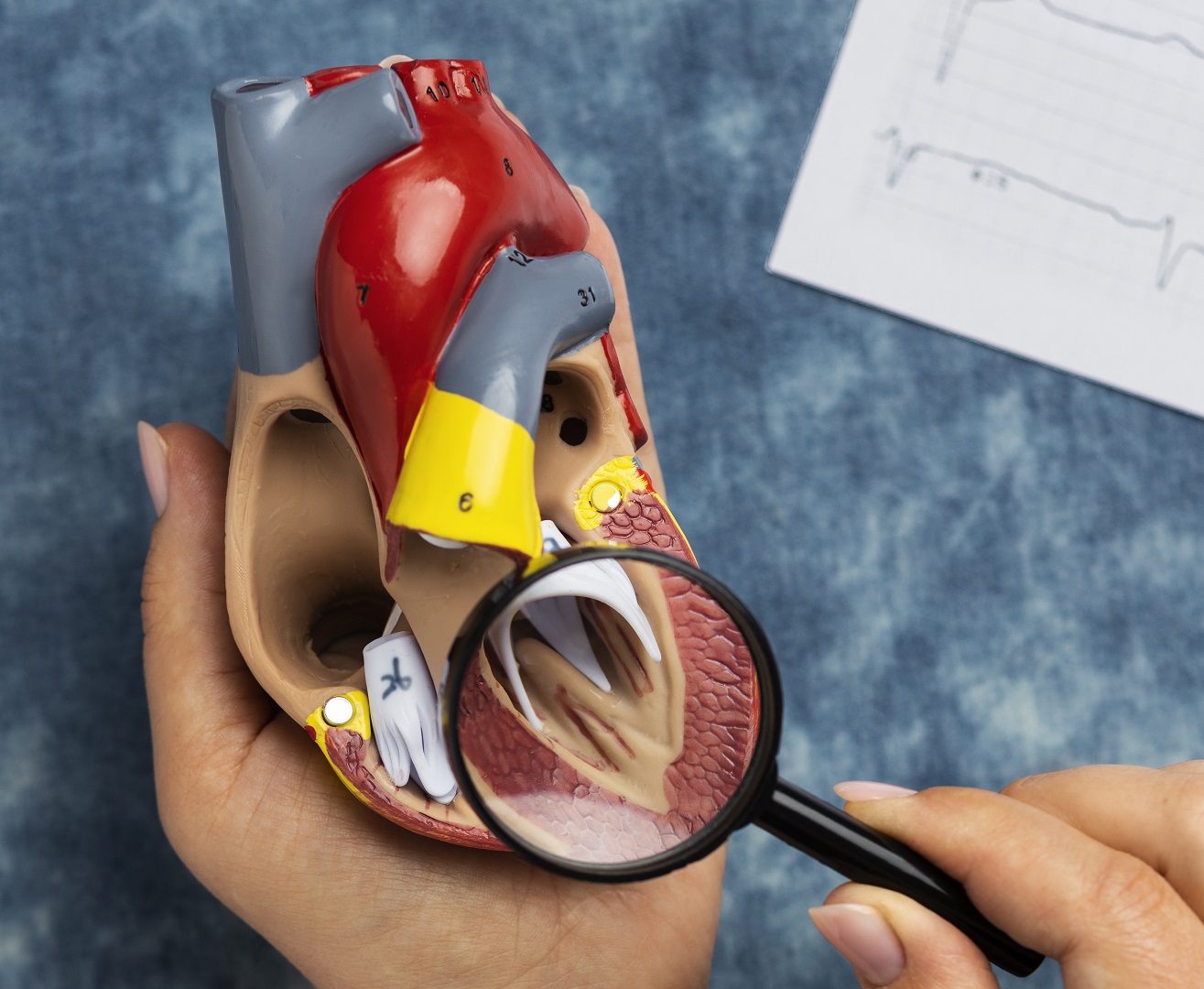
Here is an overview of the general procedure for cardiac valve replacement:
Preoperative Evaluation: Before the surgery, the patient undergoes a thorough preoperative evaluation, which includes a medical history review, physical examination, and various diagnostic tests and blood tests to assess overall health and determine the extent of valve disease.
Anesthesia: The patient is administered general anesthesia to ensure they are completely unconscious and do not feel any pain during the surgery.
Incision: The surgeon makes an incision in the chest to access the heart. The location and size of the incision may vary depending on the type of valve being replaced and the surgical approach used.
Cardiopulmonary Bypass: The patient is connected to a heart-lung machine, which takes over the function of the heart and lungs. This machine allows the surgeon to stop the heart temporarily, providing a bloodless field for the valve replacement.
Valve Exposure: The damaged valve is exposed and carefully inspected to assess the extent of the damage and ensure the new valve is appropriately sized.
Valve Replacement: The surgeon removes the damaged valve and replaces it with either a mechanical or biological valve. The choice of valve type is determined before the surgery based on the patient's condition and preference.
Suturing and Testing: The new valve is securely sutured or sewn into place, ensuring it functions properly and does not leak. The heart is then restarted, and the valve's function is tested to confirm that blood flows through it as it should.
Closing the Incision: After confirming the proper functioning of the new valve, the surgeon closes the incision in the chest using sutures or staples. The patient's chest is then closed.
Recovery: The patient is weaned off the heart-lung machine, and the effects of anesthesia are reversed. The patient is transferred to the intensive care unit (ICU) for close monitoring during the initial recovery period.
Postoperative Care: Postoperative care involves monitoring the patient's vital signs, providing pain relief, and ensuring that the patient's overall condition stabilizes. Cardiac rehabilitation and physical therapy may be initiated to aid in recovery and regain strength.
Discharge and Follow-Up: Once the patient's condition is stable, they are transferred to a regular hospital room. After a few days, they may be discharged with instructions for post-surgical care and follow-up appointments with their healthcare team.
Cardiac valve replacement is a complex surgical procedure that carries certain risks, and recovery times can vary. The specific details of the procedure may vary based on the type of valve being replaced, the surgical approach, and the patient's unique medical condition.
Patients should discuss the procedure, including potential risks and expected outcomes, with their healthcare team prior to surgery.
India has become a popular destination for Cardiac Valve Replacement due to its world-class medical facilities, experienced surgeons, and lower costs compared to other countries. Indian hospitals have state-of-the-art technology and equipment and offer excellent healthcare services at an affordable price. Patients from around the world can benefit from the cost-effective and high-quality healthcare services offered in India.
Gomedi9 is a medical tourism company that specializes in helping patients plan and organize their medical travel to India. They provide a range of services to make the process of medical tourism hassle-free and convenient for patients.
Gomedi9 can help patients to choose the right hospital, book accommodation, arrange transportation, provide interpreters, and ensure that the patient receives the best possible medical treatment at an affordable price. They have a team of experienced professionals who guide patients throughout the process of medical tourism, from the initial consultation to post-operative care.
