

Welcome guest
Monday to Friday8AM - 9PM
AddressABC A-504, Rajnigandha Apartment, VADODARA-390007, GUJARAT, India.
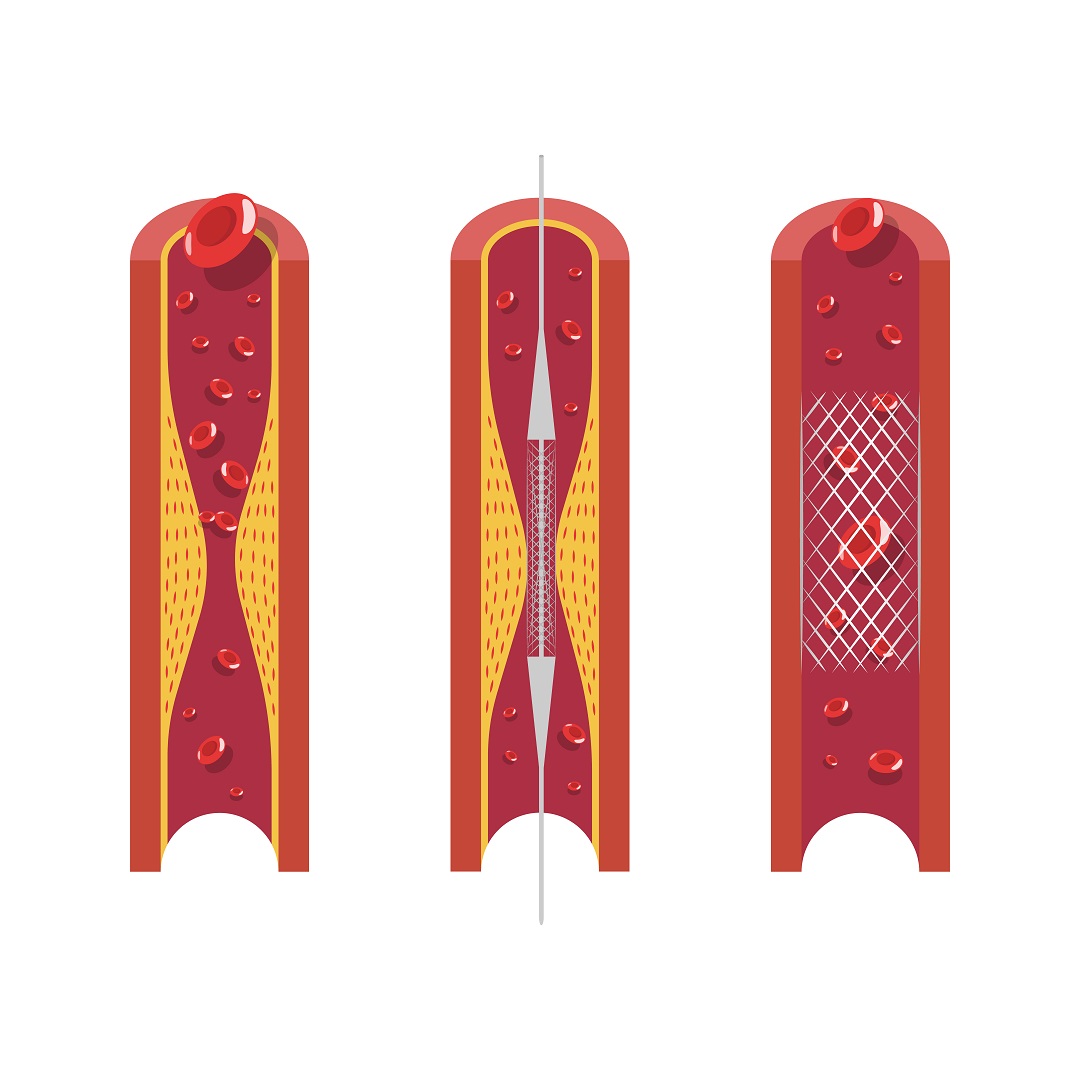
Coronary angioplasty is a medical procedure used to treat blockages or narrowing in the coronary arteries.
Coronary angioplasty, also known as percutaneous coronary intervention (PCI), is a medical procedure used to treat narrowed or blocked coronary arteries, which are blood vessels that supply the heart muscle with oxygen and nutrients. The goal of coronary angioplasty is to improve blood flow to the heart by widening the narrowed or blocked arteries.
Here are some common types:
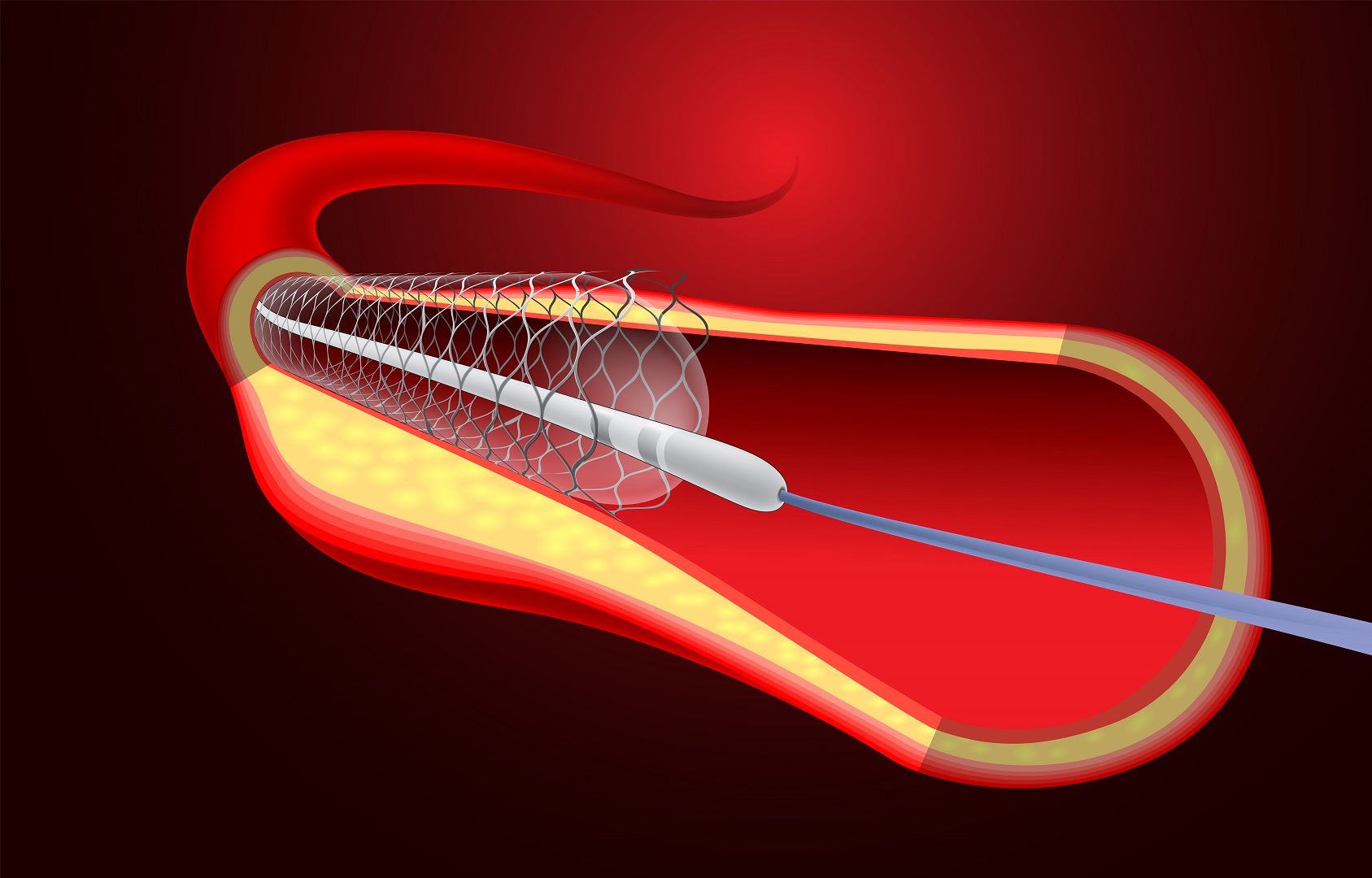
Here are the general steps involved in a coronary angioplasty procedure:
Patient Preparation: The patient is typically given a sedative to help relax and may be awake during the procedure. Electrocardiogram (ECG) leads are attached to monitor the heart's electrical activity. The insertion site (usually in the groin or wrist) is cleaned and sterilized.
Local Anesthesia: The insertion site is numbed with a local anesthetic to minimize discomfort.
Catheter Insertion: A thin, flexible tube called a catheter is inserted through a small incision in the groin or wrist (femoral or radial access) and guided through the blood vessels toward the coronary arteries.
Guiding Catheter Placement: A guiding catheter is advanced over the guide wire and positioned at the opening of the coronary artery.
Angiography: A contrast dye is injected through the catheter into the coronary arteries. X-ray images (angiograms) are taken to visualize the location and severity of the blockage.
Balloon Catheter Insertion: A balloon-tipped catheter is threaded through the guiding catheter to the site of the blockage.
Balloon Inflation: The balloon is inflated once it's in the blocked area, pushing aside the plaque or fatty deposits against the artery walls.
Stent Placement: In many cases, a stent (a small mesh tube) is inserted at the site of the blockage. The stent is expanded by inflating the balloon, and it stays in place to keep the artery open.
Balloon Deflation and Stent Deployment: The balloon is deflated, and if a stent was placed, it remains in position to hold the artery open. The stent may be drug-eluting (coated with medication) to reduce the risk of restenosis (re-narrowing).
Final Assessment: Another angiography is often performed to confirm that blood flow has improved, and the blockage has been successfully treated.
Closure of the Insertion Site: If the femoral artery was used for access, pressure is applied to the insertion site to prevent bleeding. A closure device or manual compression may be used to seal the incision.
Recovery and Observation: The patient is monitored closely for a period of time in a recovery area. Vital signs, such as blood pressure and heart rate, are checked regularly. The patient may need to lie flat for a certain period to minimize the risk of bleeding.
Post-Procedure Care: Medications may be prescribed to prevent blood clots or manage other heart conditions. Patients are usually advised to take it easy for a period of time and follow a heart-healthy lifestyle.
The choice of which type of coronary angioplasty procedure to use depends on the patient's specific condition, the location and severity of the blockage, and the expertise of the medical team.
The goal of all these procedures is to improve blood flow to the heart muscle and reduce symptoms of coronary artery disease.
India has become a popular destination for Coronary Angioplasty due to its world-class medical facilities, experienced surgeons, and lower costs compared to other countries. Indian hospitals have state-of-the-art technology and equipment and offer excellent healthcare services at an affordable price. Patients from around the world can benefit from the cost-effective and high-quality healthcare services offered in India.
Gomedi9 is a medical tourism company that specializes in helping patients plan and organize their medical travel to India. They provide a range of services to make the process of medical tourism hassle-free and convenient for patients.
Gomedi9 can help patients to choose the right hospital, book accommodation, arrange transportation, provide interpreters, and ensure that the patient receives the best possible medical treatment at an affordable price. They have a team of experienced professionals who guide patients throughout the process of medical tourism, from the initial consultation to post-operative care.
