

Welcome guest
Monday to Friday8AM - 9PM
AddressABC A-504, Rajnigandha Apartment, VADODARA-390007, GUJARAT, India.
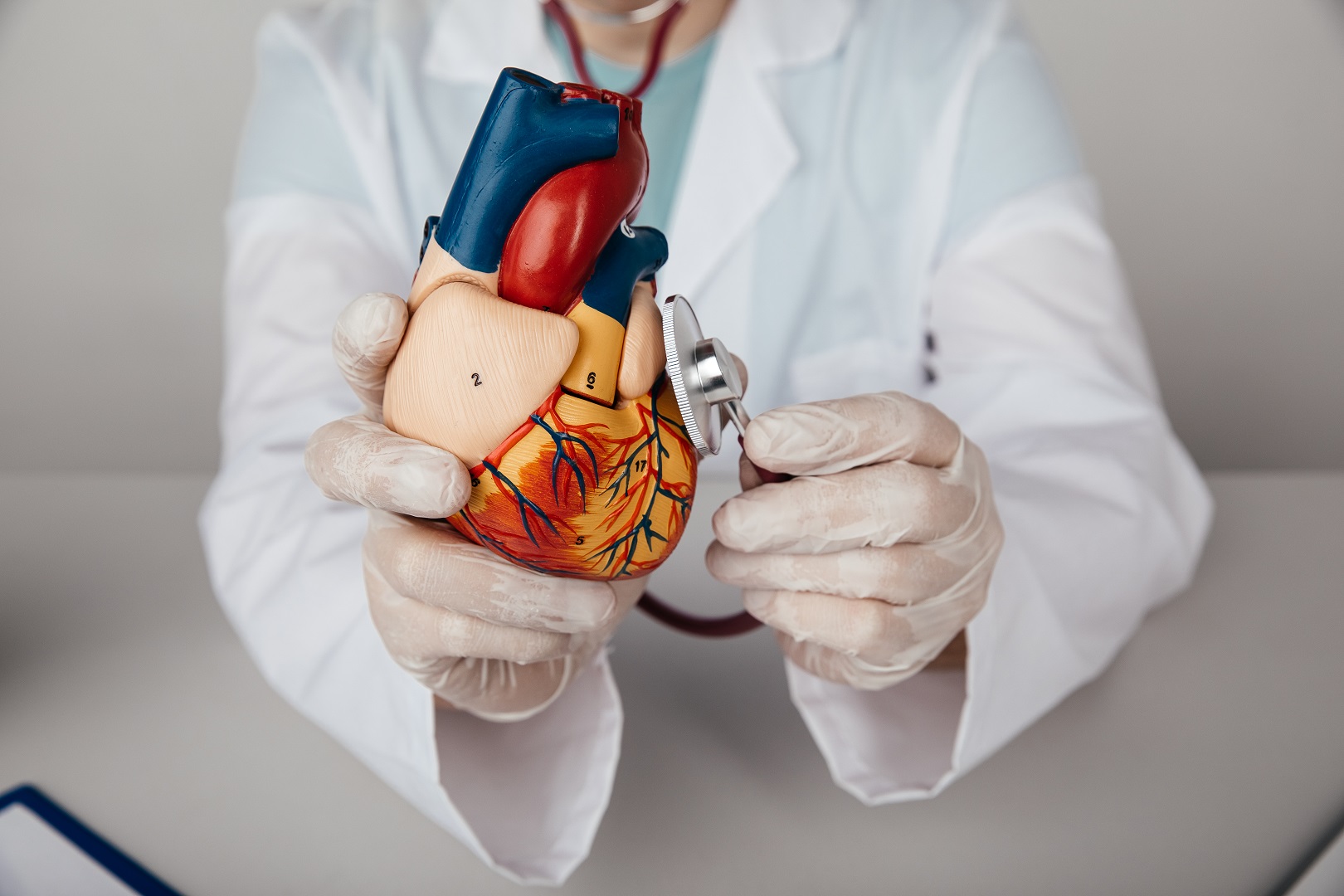
Cardiac transmyocardial revascularization is a surgical procedure used to treat severe coronary artery disease.
Cardiac transmyocardial revascularization (TMR) is a surgical technique used to improve blood flow to the heart muscle in individuals with severe coronary artery disease.
There are two primary types of TMR procedures:
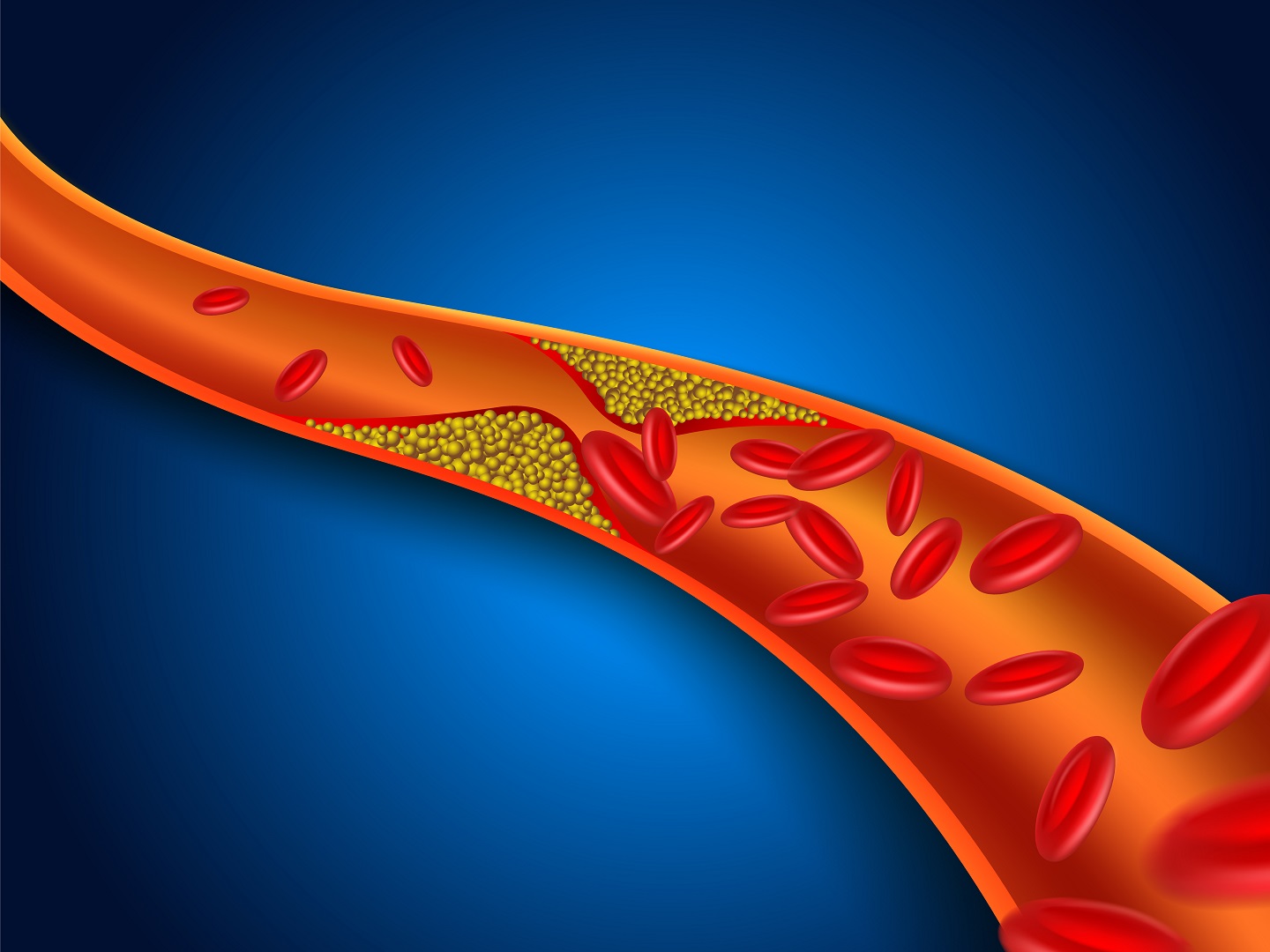
Here is an overview of the procedure for traditional surgical TMR:
Preparation: The patient is prepared for surgery, which includes administering anesthesia to ensure they are unconscious and pain-free during the procedure.
Incision: A surgical incision is made in the patient's chest to access the heart. This is typically done through a median sternotomy, where the breastbone (sternum) is divided, or a minimally invasive approach, where smaller incisions are made.
Access to the Heart: Once the chest cavity is opened, the surgeon gains access to the heart, and the pericardium (the protective sac surrounding the heart) is opened to expose the heart.
Laser or Channel Creation: Using a high-energy laser or other specialized tools, the surgeon creates small channels or laser-generated holes directly in the heart muscle in areas with poor blood supply. These channels are typically created in the left ventricle of the heart.
The goal is to provide an alternative pathway for oxygen-rich blood to reach the heart muscle, bypassing the obstructed coronary arteries.
Hemostasis: After creating the channels, the surgeon ensures that any bleeding is controlled and the channels are secure.
Closure: The channels created in the heart muscle are allowed to close naturally over time. There is no need for sutures or other closures in most cases.
Monitoring: The heart's function is closely monitored, and any necessary adjustments are made to ensure proper blood flow and function.
Closure of the Chest: Once the procedure is complete, the chest is closed, and the incision is sutured or stapled. Chest tubes may be inserted to drain excess fluids from the chest cavity.
Recovery: The patient is taken to the recovery area and monitored closely. In some cases, additional procedures, such as coronary artery bypass graft (CABG), may be performed in combination with TMR to address multiple coronary artery blockages.
Postoperative Care: After the surgery, patients will typically spend some time in the intensive care unit (ICU) for close monitoring. They will receive medications to manage pain, prevent infection, and support heart function. Rehabilitation and cardiac recovery programs are often recommended to aid in the patient's recovery.
The specific details of the procedure may vary based on the patient's condition and the surgeon's preferences. Patients should discuss their treatment options and potential risks with their healthcare team.
India has become a popular destination for Cardiac Transmyocardial Revascularization due to its world-class medical facilities, experienced surgeons, and lower costs compared to other countries. Indian hospitals have state-of-the-art technology and equipment and offer excellent healthcare services at an affordable price. Patients from around the world can benefit from the cost-effective and high-quality healthcare services offered in India.
Gomedi9 is a medical tourism company that specializes in helping patients plan and organize their medical travel to India. They provide a range of services to make the process of medical tourism hassle-free and convenient for patients.
Gomedi9 can help patients to choose the right hospital, book accommodation, arrange transportation, provide interpreters, and ensure that the patient receives the best possible medical treatment at an affordable price. They have a team of experienced professionals who guide patients throughout the process of medical tourism, from the initial consultation to post-operative care.
