

Welcome guest
Monday to Friday8AM - 9PM
AddressABC A-504, Rajnigandha Apartment, VADODARA-390007, GUJARAT, India.
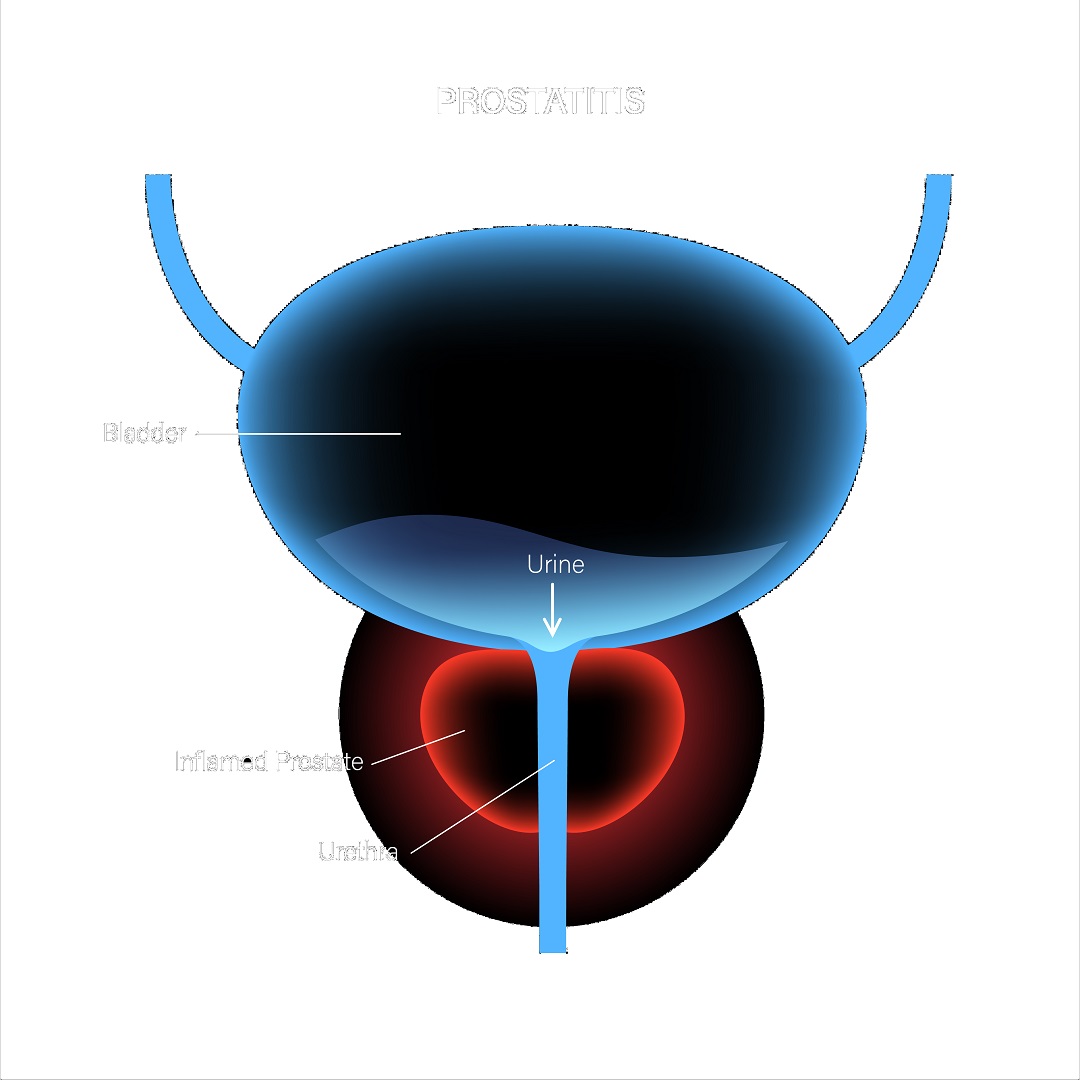
Urology PVP is a medical procedure used in urology to treat benign prostatic hyperplasia.
During a Urology PVP (Photoselective Vaporization of the Prostate) procedure, a laser is used to remove excess prostate tissue that is causing obstruction to the flow of urine.
Two common types of lasers used in Urology PVP are:

Here is a general outline of the steps involved in a Urology PVP procedure:
Preparation:
a. Medical Evaluation: Before the procedure, the patient undergoes a thorough medical evaluation, including a physical examination, imaging studies, and possibly urodynamic testing to assess the severity of the BPH and other related factors.
b. Anesthesia: Urology PVP is typically performed under spinal or general anesthesia, depending on the patient's health and the surgeon's preference.
During the Procedure:
a. Cystoscopy: The surgeon inserts a cystoscope (a thin, flexible tube with a light and camera) into the urethra to visualize the prostate and surrounding structures.
b. Laser Fiber Insertion: A laser fiber is then inserted through the cystoscope and positioned near the obstructing prostate tissue.
c. Laser Ablation: The laser is activated, and the energy is delivered to the prostate tissue. The laser energy selectively vaporizes and coagulates the excess prostate tissue, relieving the obstruction.
i> If a potassium-titanyl-phosphate (KTP) laser is used (GreenLight Laser Therapy), the green laser energy is absorbed by hemoglobin in the tissue.
ii> If a thulium laser is used (Thulium Laser Enucleation of the Prostate or ThuLEP), the laser energy is absorbed by water in the tissue.
Post-Procedure:
a. Catheter Placement: A temporary urinary catheter may be placed to help drain urine from the bladder and prevent urinary retention.
b. Observation: The patient is monitored in a recovery area to ensure there are no immediate complications.
c. Hospital Stay: Depending on the specific procedure and the patient's recovery, an overnight hospital stay may be required.
d. Follow-up: The patient will have follow-up appointments to monitor their recovery and address any concerns.
Recovery:
a. Catheter Removal: The urinary catheter is typically removed within a day or two after the procedure.
b. Symptom Relief: Patients often experience relief from BPH symptoms, such as improved urine flow and reduced frequency of urination.
c. Return to Normal Activities: Most patients can gradually return to their normal activities within a week or two, depending on individual recovery.
India has become a popular destination for Urology PVP due to its world-class medical facilities, experienced surgeons, and lower costs compared to other countries. Indian hospitals have state-of-the-art technology and equipment and offer excellent healthcare services at an affordable price. Patients from around the world can benefit from the cost-effective and high-quality healthcare services offered in India.
Gomedi9 is a medical tourism company that specializes in helping patients plan and organize their medical travel to India. They provide a range of services to make the process of medical tourism hassle-free and convenient for patients.
Gomedi9 can help patients to choose the right hospital, book accommodation, arrange transportation, provide interpreters, and ensure that the patient receives the best possible medical treatment at an affordable price. They have a team of experienced professionals who guide patients throughout the process of medical tourism, from the initial consultation to post-operative care.
