

Welcome guest
Monday to Friday8AM - 9PM
AddressABC A-504, Rajnigandha Apartment, VADODARA-390007, GUJARAT, India.
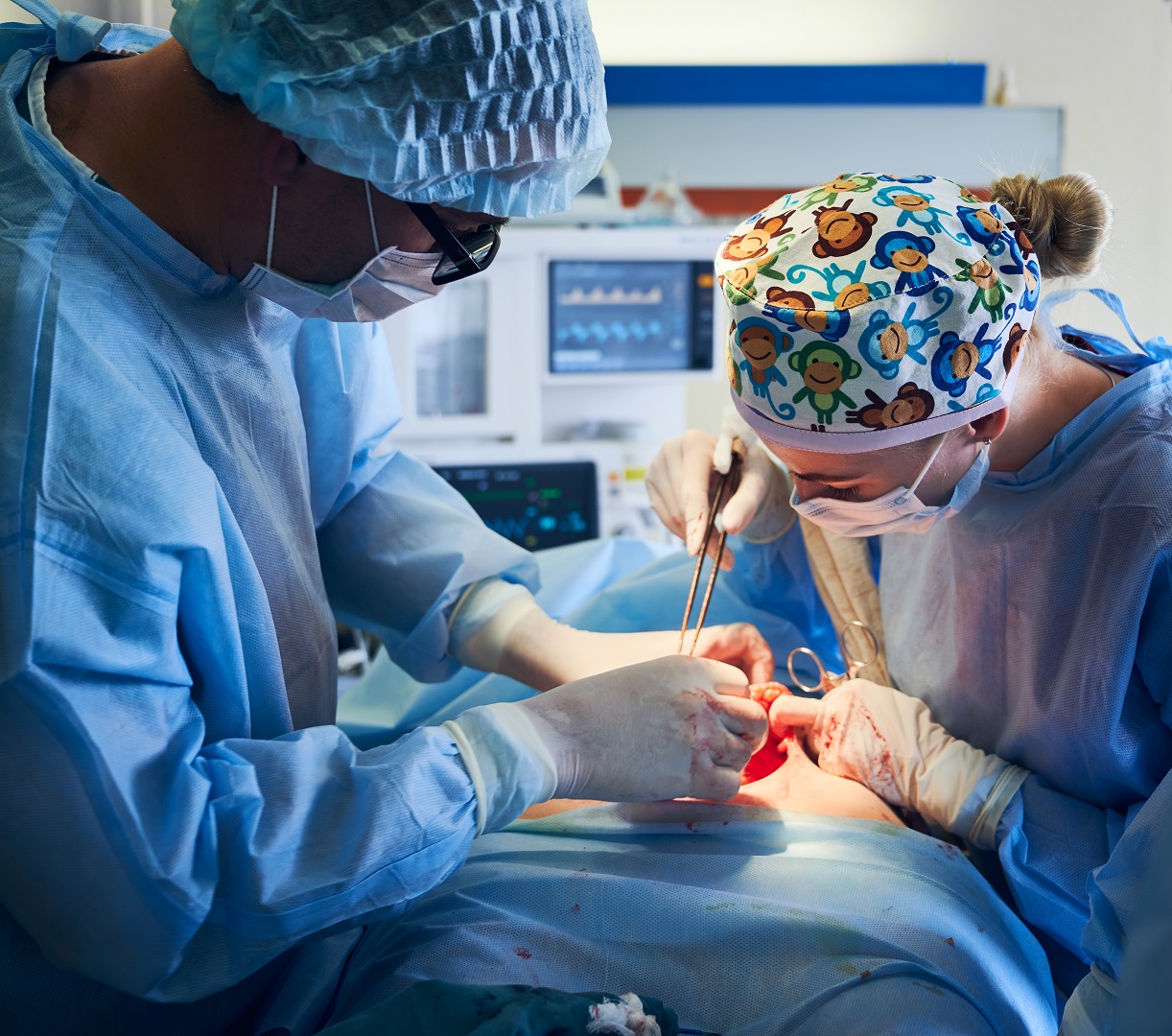
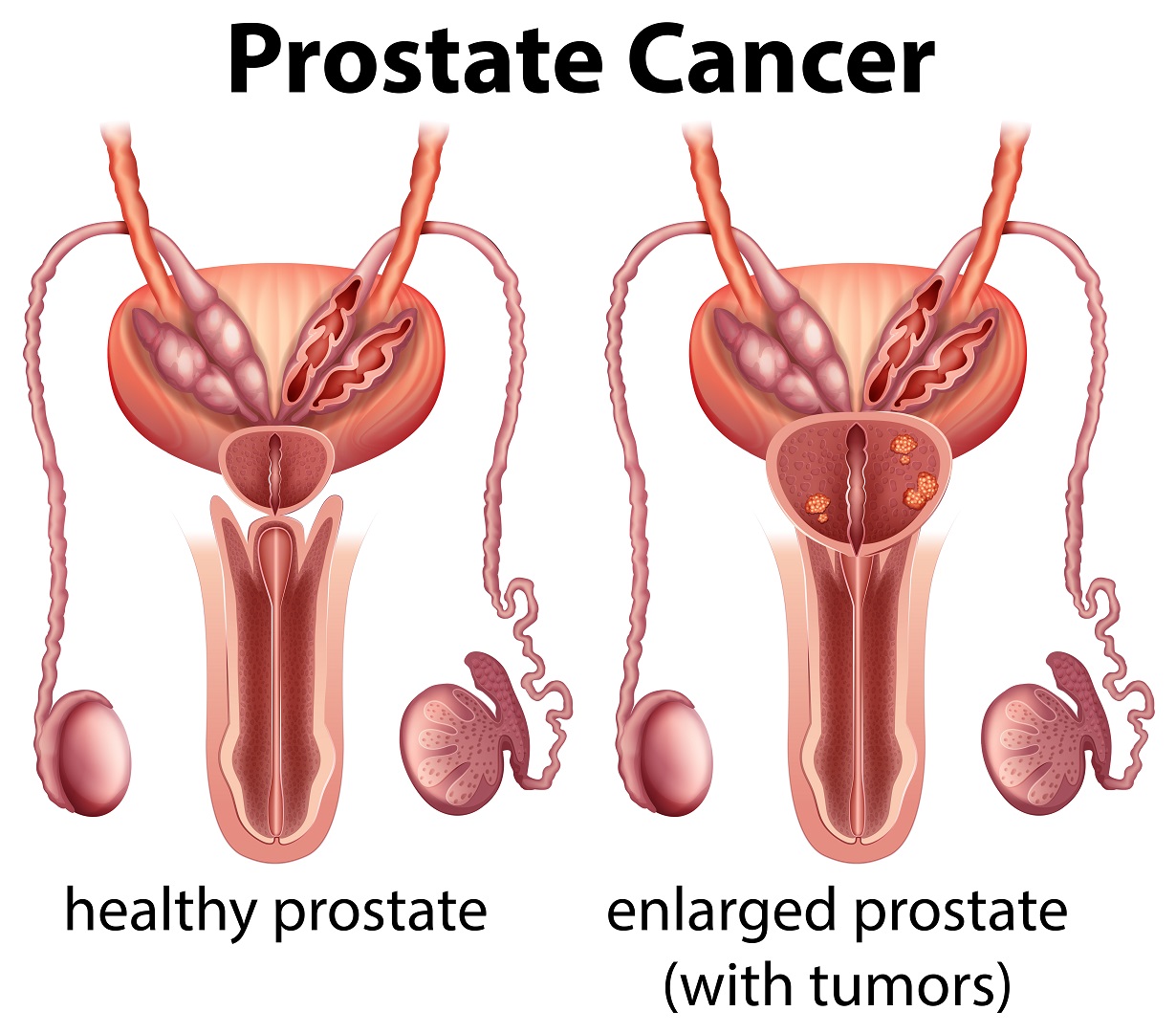
Laparoscopic radical prostatectomy is a minimally invasive surgical procedure used to treat prostate cancer.
Laparoscopic prostate surgery is often favored for its minimally invasive nature, which can result in shorter hospital stays, faster recovery times, and less postoperative pain compared to traditional open surgery.
Here are some common types including:
Following are the procedure steps:
Preoperative Preparation:
a. Patient Evaluation: The patient undergoes a thorough evaluation, including imaging studies and laboratory tests, to determine the extent of prostate cancer and overall health.
b. Anesthesia: The patient is placed under general anesthesia to ensure they are unconscious and pain-free during the surgery.
Surgical Procedure:
a. Patient Positioning: The patient is positioned on the operating table, typically in a modified lithotomy position (similar to the position used for traditional open prostate surgery).
b. Trocar Insertion: Small incisions (usually around 4 to 5) are made in the abdominal wall. Carbon dioxide gas is used to inflate the abdomen, creating a working space for the surgeon. Trocars (hollow tubes) are inserted through these incisions.
c. Laparoscope Insertion: A laparoscope, a thin tube with a camera and light source, is inserted through one of the trocars. This provides the surgeon with a magnified view of the surgical site on a monitor.
d. Instrument Insertion: Additional trocars are used to insert specialized laparoscopic instruments.
These instruments allow the surgeon to manipulate tissues, cut, and suture.
e. Dissection and Prostate Exposure: The surgeon carefully dissects and exposes the prostate, as well as the surrounding structures.
f. Nerve Preservation (if applicable): In cases where nerve-sparing is possible and desirable, efforts are made to preserve the nerves responsible for erectile function.
g. Prostate Removal: The prostate is carefully detached from surrounding tissues and removed from the body. The seminal vesicles may also be removed if necessary.
h. Suturing and Hemostasis: The surgeon sutures the remaining structures and ensures hemostasis (control of bleeding).
Postoperative Care:
a. Closure: The trocars are removed, and the small incisions are closed with stitches or staples.
b. Recovery: The patient is taken to the recovery room and monitored as they wake up from anesthesia.
c. Hospital Stay: The length of hospital stay can vary but is generally shorter than traditional open surgery.
Postoperative Follow-Up:
a. Catheter: A urinary catheter is often placed to allow the healing of the urethra.
b. Pathology Report: The removed prostate is sent to a pathology lab for examination to confirm the presence and stage of prostate cancer.
c. Follow-Up Appointments: The patient has regular follow-up appointments to monitor recovery, discuss any side effects, and address concerns.
India has become a popular destination for Laparoscopic Prostate Surgery due to its world-class medical facilities, experienced surgeons, and lower costs compared to other countries. Indian hospitals have state-of-the-art technology and equipment and offer excellent healthcare services at an affordable price. Patients from around the world can benefit from the cost-effective and high-quality healthcare services offered in India.
Gomedi9 is a medical tourism company that specializes in helping patients plan and organize their medical travel to India. They provide a range of services to make the process of medical tourism hassle-free and convenient for patients.
Gomedi9 can help patients to choose the right hospital, book accommodation, arrange transportation, provide interpreters, and ensure that the patient receives the best possible medical treatment at an affordable price. They have a team of experienced professionals who guide patients throughout the process of medical tourism, from the initial consultation to post-operative care.
