

Welcome guest
Monday to Friday8AM - 9PM
AddressABC A-504, Rajnigandha Apartment, VADODARA-390007, GUJARAT, India.
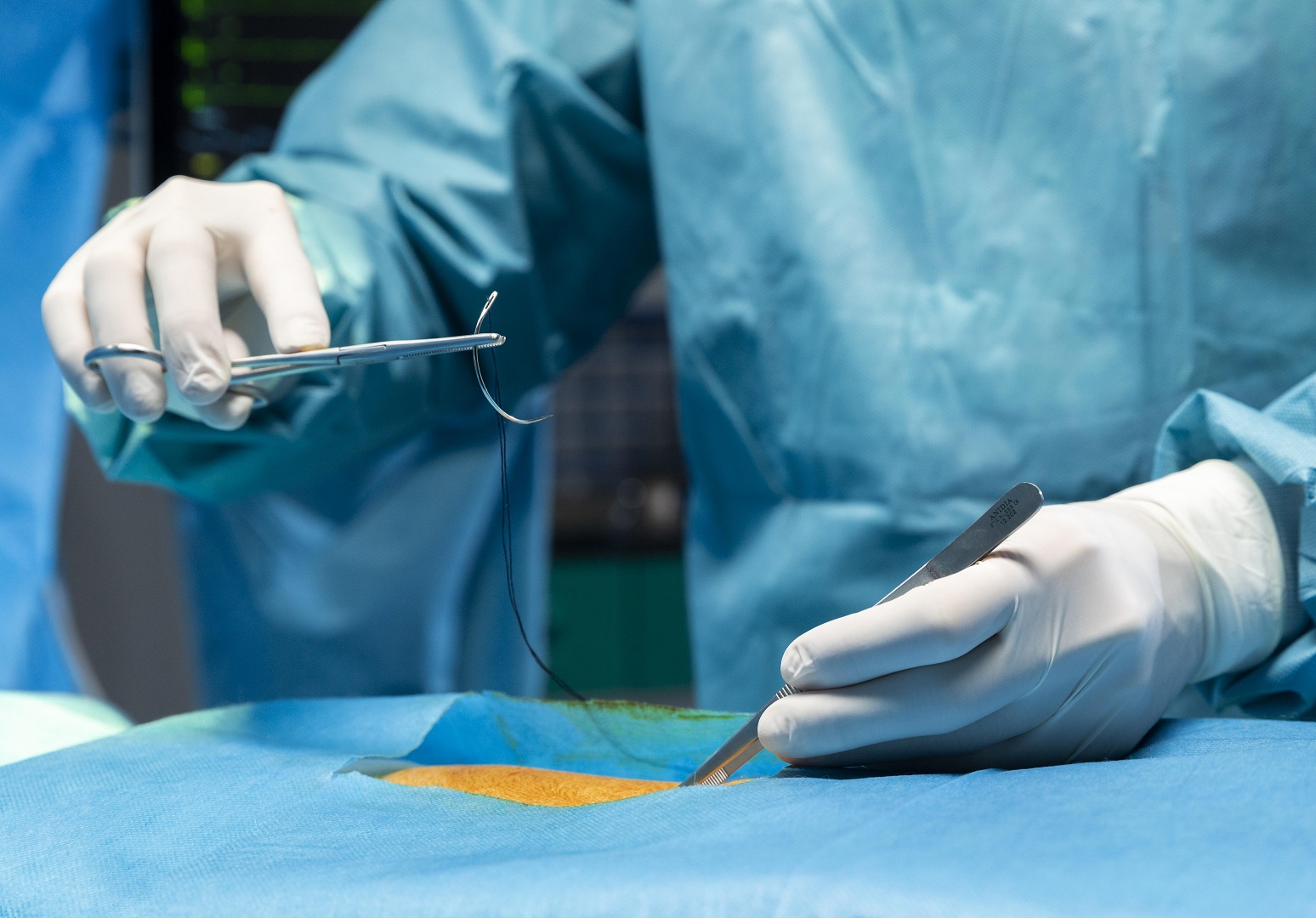
Urology TURP surgery is a medical procedure to treat an enlarged prostate.
Urology TURP (Transurethral Resection of the Prostate) surgery is a medical procedure performed by urologists to treat benign prostatic hyperplasia (BPH) or an enlarged prostate. The TURP surgery involves the removal of excess prostate tissue that is obstructing the flow of urine.
The primary types of TURP surgery include:
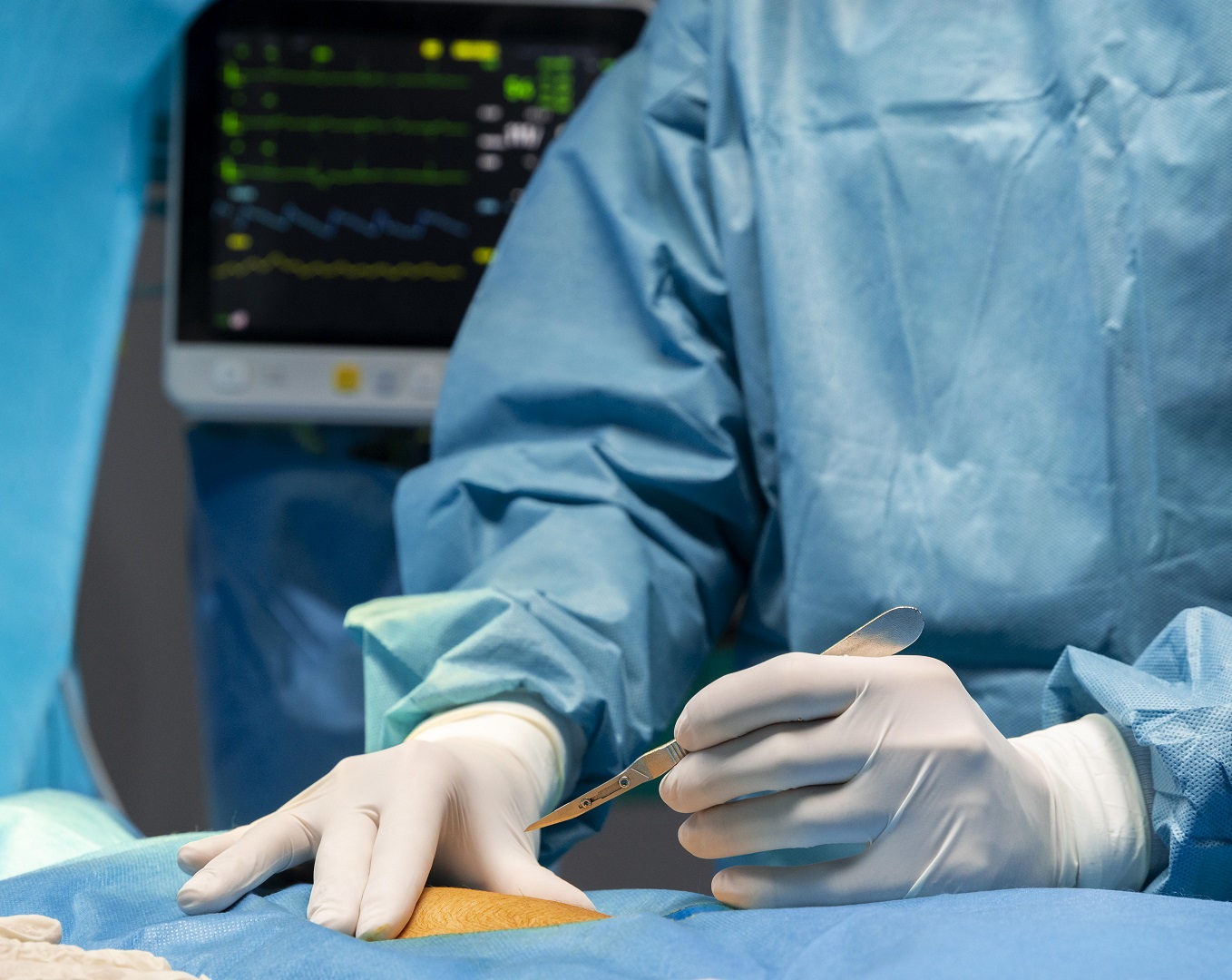
Here is a general overview of the steps involved in a standard TURP surgery:
Preoperative Preparation:
a. Medical Evaluation: The patient undergoes a thorough medical evaluation to assess their overall health and suitability for surgery.
b. Anesthesia: TURP is typically performed under general or spinal anesthesia, ensuring that the patient is either asleep or numbed from the waist down.
Surgical Steps:
a. Insertion of the Resectoscope: The patient is positioned, and a resectoscope is inserted into the urethra, reaching the prostate. The resectoscope has a light, camera, and an electrically powered cutting or coagulating loop.
b. Visual Examination: The surgeon uses the camera on the resectoscope to visualize the interior of the prostate and the urethra on a monitor.
c. Tissue Resection: The surgeon carefully removes excess prostate tissue using the cutting or coagulating loop. The goal is to alleviate the obstruction of the urethra and improve urine flow.
d. Irrigation: During the procedure, a sterile fluid (usually saline) is continuously irrigated into the bladder and drained out. This helps clear blood and tissue debris from the surgical site.
e. Hemostasis: The surgeon ensures hemostasis (control of bleeding) by coagulating any bleeding vessels using the resectoscope.
f. Catheter Placement: A catheter is inserted into the bladder through the urethra to allow urine drainage and to facilitate the healing process.
g. Completion of Surgery: Once the surgeon is satisfied with the removal of sufficient prostate tissue, the resectoscope is removed.
Postoperative Care:
a. Recovery Room: The patient is monitored in the recovery room for a brief period as the effects of anesthesia wear off.
b. Hospital Stay: The length of hospital stay varies but is typically a day or two.
c. Catheter Duration: The catheter remains in place for a few days to allow the bladder to heal.
d. Postoperative Follow-up: The patient is monitored postoperatively to ensure proper healing and to address any potential complications.
Potential Complications: TURP is generally a safe procedure, but like any surgery, it carries some risks. Potential complications may include bleeding, infection, urinary incontinence, and sexual dysfunction.
India has become a popular destination for TURP Surgery due to its world-class medical facilities, experienced surgeons, and lower costs compared to other countries. Indian hospitals have state-of-the-art technology and equipment and offer excellent healthcare services at an affordable price. Patients from around the world can benefit from the cost-effective and high-quality healthcare services offered in India.
Gomedi9 is a medical tourism company that specializes in helping patients plan and organize their medical travel to India. They provide a range of services to make the process of medical tourism hassle-free and convenient for patients.
Gomedi9 can help patients to choose the right hospital, book accommodation, arrange transportation, provide interpreters, and ensure that the patient receives the best possible medical treatment at an affordable price. They have a team of experienced professionals who guide patients throughout the process of medical tourism, from the initial consultation to post-operative care.
