

Welcome guest
Monday to Friday8AM - 9PM
AddressABC A-504, Rajnigandha Apartment, VADODARA-390007, GUJARAT, India.
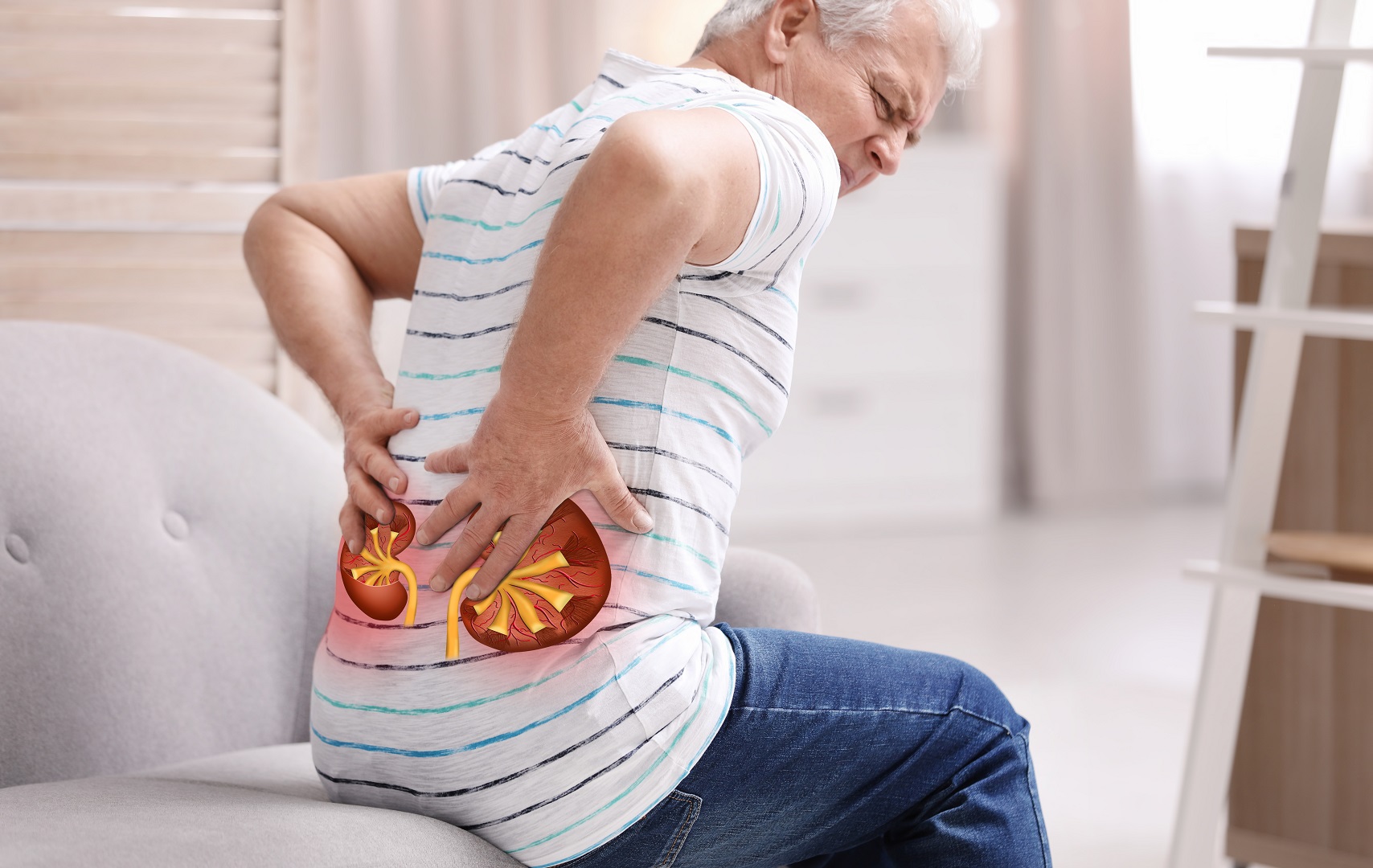
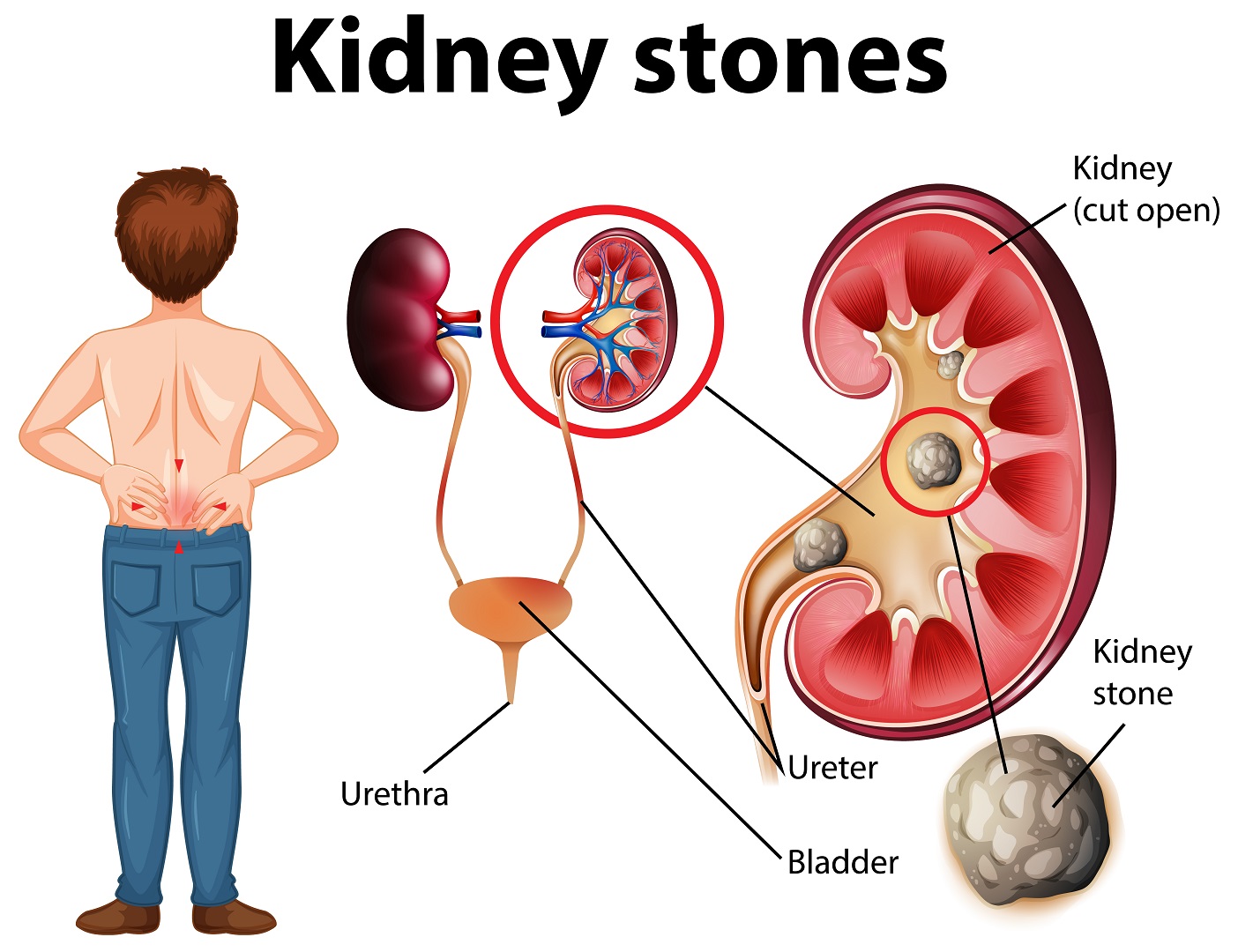
Extracorporeal Shock Wave Lithotripsy is a non-invasive medical procedure used to break down kidney stones into smaller fragments that can be easily passed through the urinary tract.
ESWL is often preferred for treating kidney stones that are smaller in size and located in the kidney or upper ureter. It is a less invasive alternative to surgical procedures for stone removal, reducing the need for incisions and anesthesia.
Here are some common types of ESWL machines:
Here's a general outline of the ESWL procedure:
Preparation: The patient may be asked to fast for a few hours before the procedure. Imaging studies, such as X-rays or ultrasound, may be performed to locate the kidney stone and determine its size and position.
Positioning: The patient is positioned on a treatment table, often lying on their back or side. A cushion or water-filled coupling device is used to ensure efficient transmission of shock waves to the targeted kidney stone.
Monitoring: The patient's vital signs, such as heart rate and blood pressure, are monitored throughout the procedure. Imaging techniques, such as fluoroscopy or ultrasound, may be used to visualize the kidney stone and guide the lithotripter.
Shock Wave Generation: The lithotripter device generates shock waves outside the body and focuses them precisely on the kidney stone.
The shock waves are typically generated using technologies such as electrohydraulic, electromagnetic, piezoelectric, or hydraulic methods.
Treatment Session: The shock waves are delivered in a controlled and targeted manner to break down the kidney stone into smaller fragments. The duration of the treatment session can vary, and the intensity and frequency of shock waves may be adjusted based on the characteristics of the stone.
Patient Experience: The patient may hear a snapping or popping sound during the shock wave delivery, but the procedure itself is generally painless. Some patients may experience mild discomfort or pain as a result of the shock waves, but this is usually manageable.
Post-Treatment: After the session, the patient may remain on the treatment table for observation. The broken stone fragments are expected to pass through the urinary tract over time. Pain management may be provided to address any discomfort, and patients are monitored for potential complications.
Follow-Up: Follow-up appointments and imaging studies may be scheduled to assess the effectiveness of the treatment and ensure that no residual stone fragments remain.
India has become a popular destination for Extracorporeal Shock Wave Lithotripsy due to its world-class medical facilities, experienced surgeons, and lower costs compared to other countries. Indian hospitals have state-of-the-art technology and equipment and offer excellent healthcare services at an affordable price. Patients from around the world can benefit from the cost-effective and high-quality healthcare services offered in India.
Gomedi9 is a medical tourism company that specializes in helping patients plan and organize their medical travel to India. They provide a range of services to make the process of medical tourism hassle-free and convenient for patients.
Gomedi9 can help patients to choose the right hospital, book accommodation, arrange transportation, provide interpreters, and ensure that the patient receives the best possible medical treatment at an affordable price. They have a team of experienced professionals who guide patients throughout the process of medical tourism, from the initial consultation to post-operative care.
