

Welcome guest
Monday to Friday8AM - 9PM
AddressABC A-504, Rajnigandha Apartment, VADODARA-390007, GUJARAT, India.
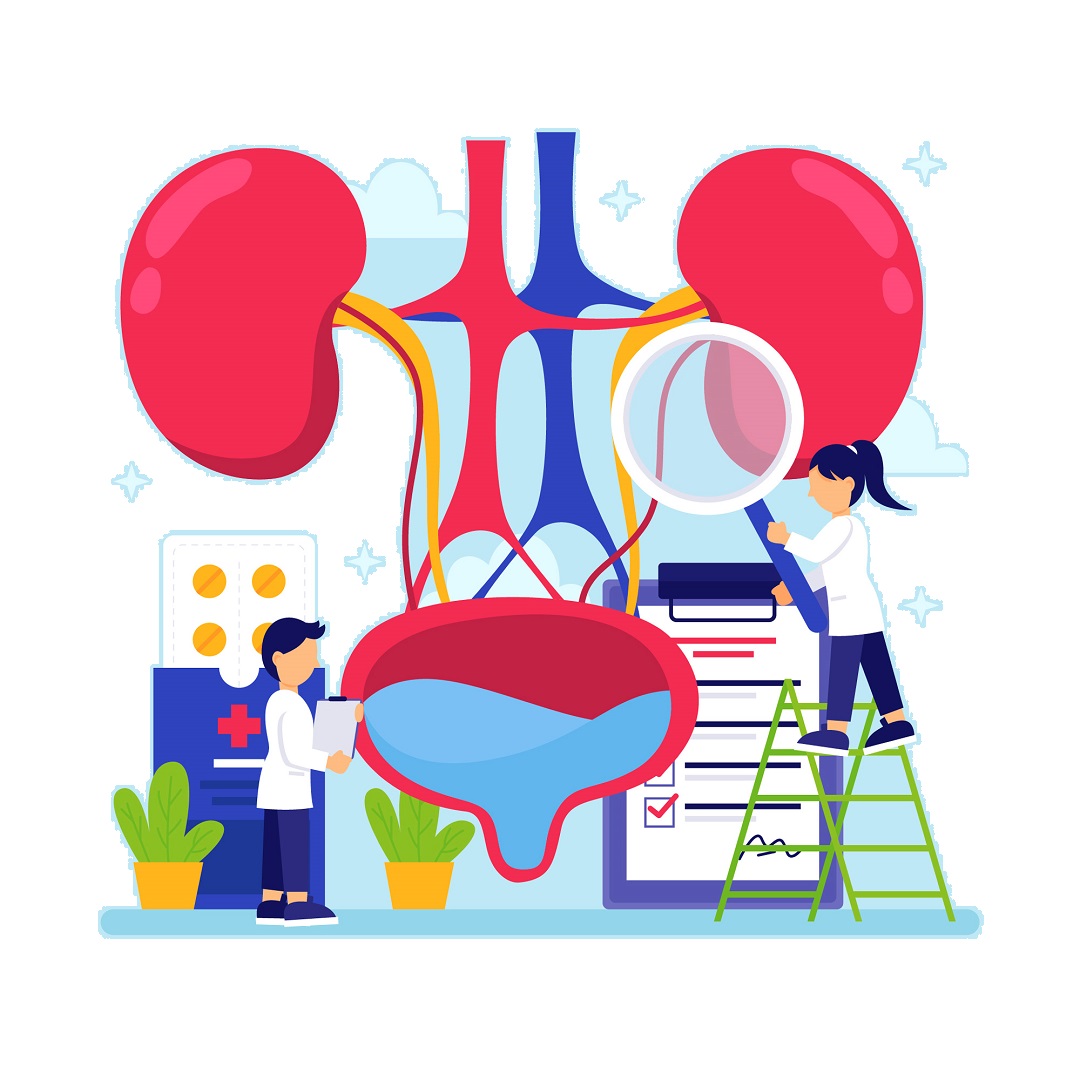
Kidney stones removal refers to the medical procedures and interventions employed to eliminate or extract kidney stones from the urinary tract.
Kidney stones, also known as renal calculi, are solid deposits that form in the kidneys from minerals and salts found in urine. They can vary in size and composition, and their presence can lead to severe pain and complications.
Common methods include:
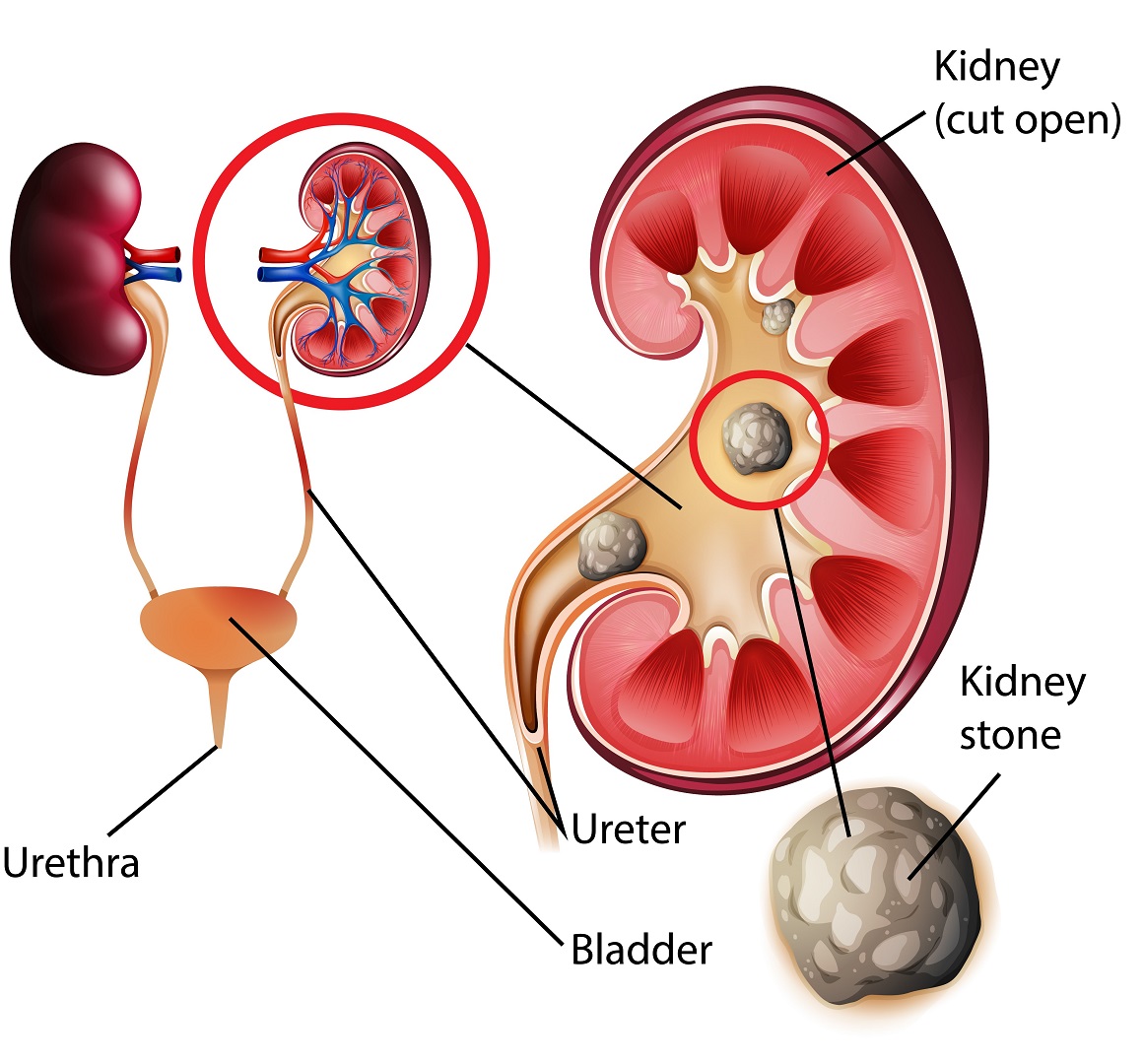
Here are some common types of kidney stones removal method:
Extracorporeal Shock Wave Lithotripsy (ESWL):
Preparation: The patient may be asked to fast for a few hours before the procedure. An imaging study, such as an X-ray or ultrasound, may be performed to locate the stones accurately.
Procedure: The patient lies on a water-filled cushion, and shock waves are directed at the kidney stones from outside the body. The shock waves break the stones into smaller fragments. The patient may feel a tapping or thumping sensation during the procedure.
Post-Procedure: The patient is monitored for a brief period, and the fragmented stones are expected to pass naturally through urine over the following days or weeks.
Ureteroscopy (URS) with Laser Lithotripsy:
Preparation: The patient may undergo imaging studies, and anesthesia is administered.
Procedure: A ureteroscope, a thin tube with a light and camera, is passed through the urethra, bladder, and into the ureter or kidney. Laser energy is used to break up or vaporize the stones. Fragments are either removed using a basket-like device or allowed to pass naturally.
Post-Procedure: The patient may experience some discomfort and may be prescribed pain medications. Fluid intake is encouraged to facilitate stone passage.
Percutaneous Nephrolithotomy (PCNL):
Preparation: The patient is usually under general anesthesia. Imaging studies help guide the surgeon to the stone.
Procedure: A small incision is made in the back, and a nephroscope is inserted directly into the kidney. Stones are broken up using ultrasound or laser energy and removed or allowed to pass.
Post-Procedure: The patient may need a temporary drainage tube, and hospitalization may be required for a day or more.
Open Surgery:
Preparation: The patient undergoes general anesthesia, and preoperative imaging is performed to plan the surgical approach.
Procedure: A larger incision is made to directly access the kidney. Stones are removed, and the incision is closed.
Post-Procedure: Hospitalization is required, and the recovery period is longer compared to less invasive methods.
India has become a popular destination for Kidney Stones Removal due to its world-class medical facilities, experienced surgeons, and lower costs compared to other countries. Indian hospitals have state-of-the-art technology and equipment and offer excellent healthcare services at an affordable price. Patients from around the world can benefit from the cost-effective and high-quality healthcare services offered in India.
Gomedi9 is a medical tourism company that specializes in helping patients plan and organize their medical travel to India. They provide a range of services to make the process of medical tourism hassle-free and convenient for patients.
Gomedi9 can help patients to choose the right hospital, book accommodation, arrange transportation, provide interpreters, and ensure that the patient receives the best possible medical treatment at an affordable price. They have a team of experienced professionals who guide patients throughout the process of medical tourism, from the initial consultation to post-operative care.
