

Welcome guest
Monday to Friday8AM - 9PM
AddressABC A-504, Rajnigandha Apartment, VADODARA-390007, GUJARAT, India.
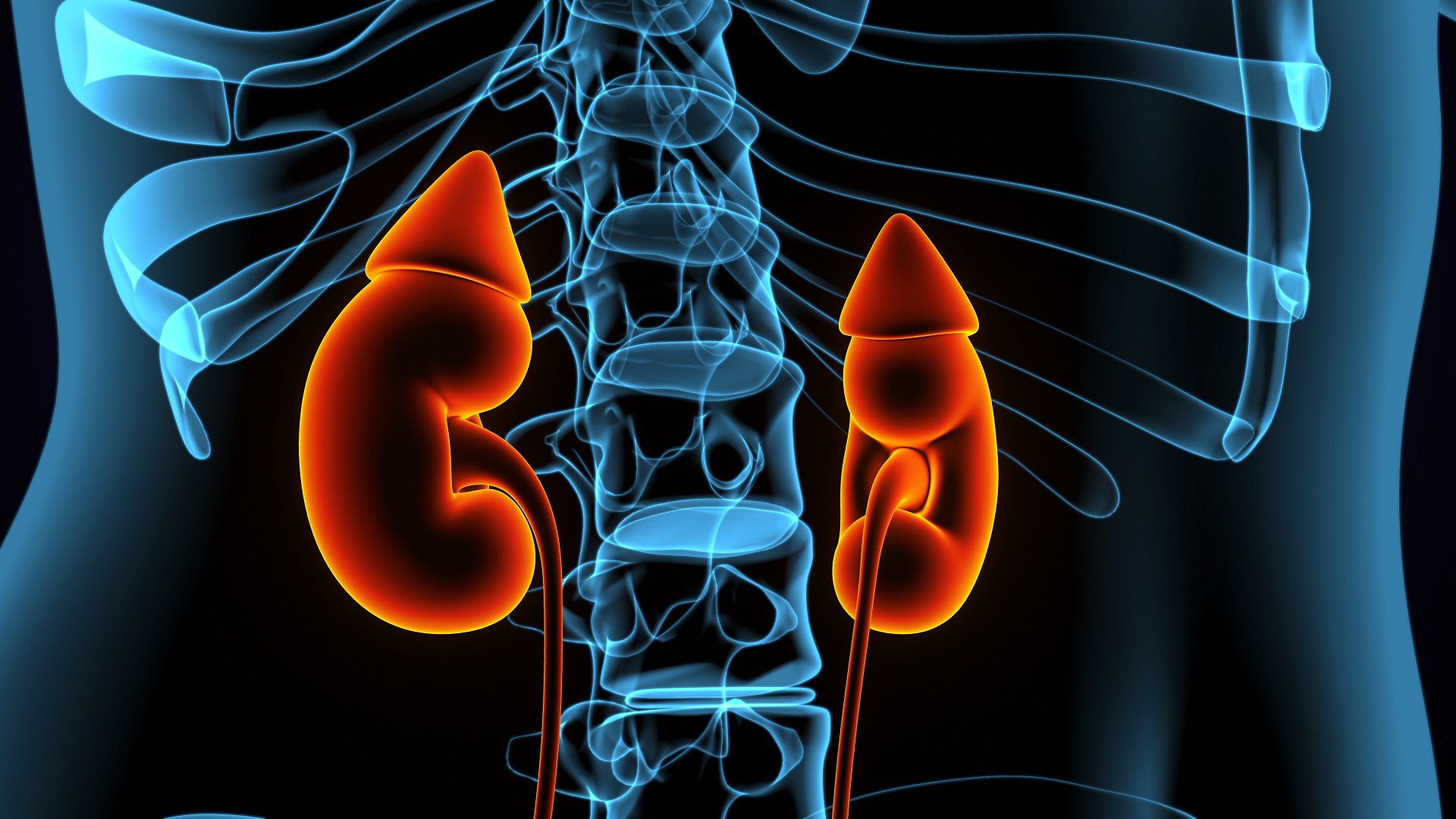
Nephrectomy is a surgical procedure in which one or both kidneys are removed.
Nephrectomy can be done through different approaches, including open surgery (traditional surgery with a large incision), laparoscopic surgery (minimally invasive surgery using small incisions and a camera), or robotic-assisted surgery (using a robotic system to assist the surgeon in performing the procedure).
The main types of nephrectomy include:
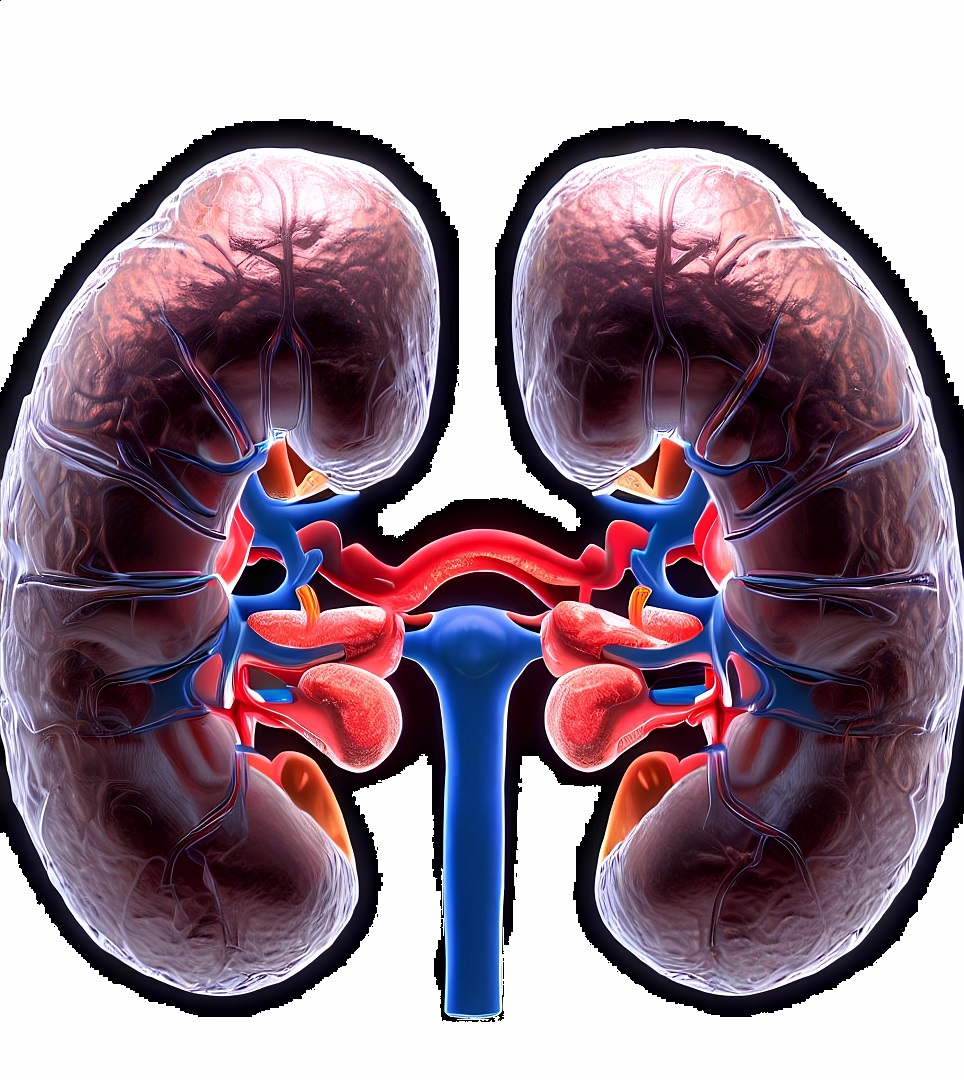
Following are the procedure steps:
Laparoscopic Nephrectomy:
a. Preparation: The patient is positioned on the operating table, and anesthesia is administered to induce general anesthesia. Monitors are used to track the patient's vital signs throughout the procedure.
b. Incisions: Small incisions (usually 3 to 4) are made in the abdominal area. These serve as entry points for the laparoscopic instruments and the camera.
c. Gas Insufflation: Carbon dioxide gas is pumped into the abdominal cavity to create a space for the surgeon to work. This allows for better visibility and manipulation of the organs.
d. Insertion of Trocars: Trocars (hollow tubes) are inserted through the incisions. These provide access for the laparoscopic instruments and the camera.
e. Visualization: A laparoscope, a thin tube with a light and camera on the end, is inserted through one of the trocars. This allows the surgeon to visualize the inside of the abdomen on a monitor.
f. Renal Artery and Vein Control: The blood vessels supplying the kidney (renal artery and vein) are identified and controlled. This involves temporarily clamping or sealing these vessels to minimize bleeding during the removal of the kidney.
g. Kidney Dissection: The surgeon carefully dissects and separates the kidney from surrounding tissues, taking care to avoid injury to nearby structures.
h. Removal of the Kidney: Once the kidney is freed, it is placed in a specimen bag and removed through one of the small incisions.
i. Closure of Incisions: The small incisions are closed with sutures or staples.
j. Recovery: The patient is monitored as they recover from anesthesia in the post-anesthesia care unit (PACU).
Open Nephrectomy:
An open nephrectomy involves a larger incision and direct access to the kidney. The general steps include:
a. Incision: A larger incision is made in the abdominal or flank area.
b. Exposure of the Kidney: The surgeon exposes the kidney and surrounding structures.
c. Control of Blood Vessels: The renal artery and vein are clamped or controlled to minimize bleeding.
d. Kidney Dissection: The surgeon dissects and frees the kidney from surrounding tissues.
e. Removal of the Kidney: The kidney is carefully removed, and the blood vessels are secured.
f. Closure of Incision: The incision is closed using sutures or staples.
India has become a popular destination for Nephrectomy due to its world-class medical facilities, experienced surgeons, and lower costs compared to other countries. Indian hospitals have state-of-the-art technology and equipment and offer excellent healthcare services at an affordable price. Patients from around the world can benefit from the cost-effective and high-quality healthcare services offered in India.
Gomedi9 is a medical tourism company that specializes in helping patients plan and organize their medical travel to India. They provide a range of services to make the process of medical tourism hassle-free and convenient for patients.
Gomedi9 can help patients to choose the right hospital, book accommodation, arrange transportation, provide interpreters, and ensure that the patient receives the best possible medical treatment at an affordable price. They have a team of experienced professionals who guide patients throughout the process of medical tourism, from the initial consultation to post-operative care.
