

Welcome guest
Monday to Friday8AM - 9PM
AddressABC A-504, Rajnigandha Apartment, VADODARA-390007, GUJARAT, India.

Hand surgery is a specialized field of medicine that focuses on the diagnosis, treatment, and rehabilitation of conditions and injuries affecting the hand, wrist, and forearm.
Hand surgery may involve both non-surgical and surgical interventions, depending on the nature and severity of the condition. Non-surgical treatments may include medications, physical therapy, splinting, and other conservative measures. Surgical procedures can range from minor interventions, such as tendon repairs, to more complex surgeries, such as joint replacements or reconstructive procedures.
Here are some common types of hand surgeries:
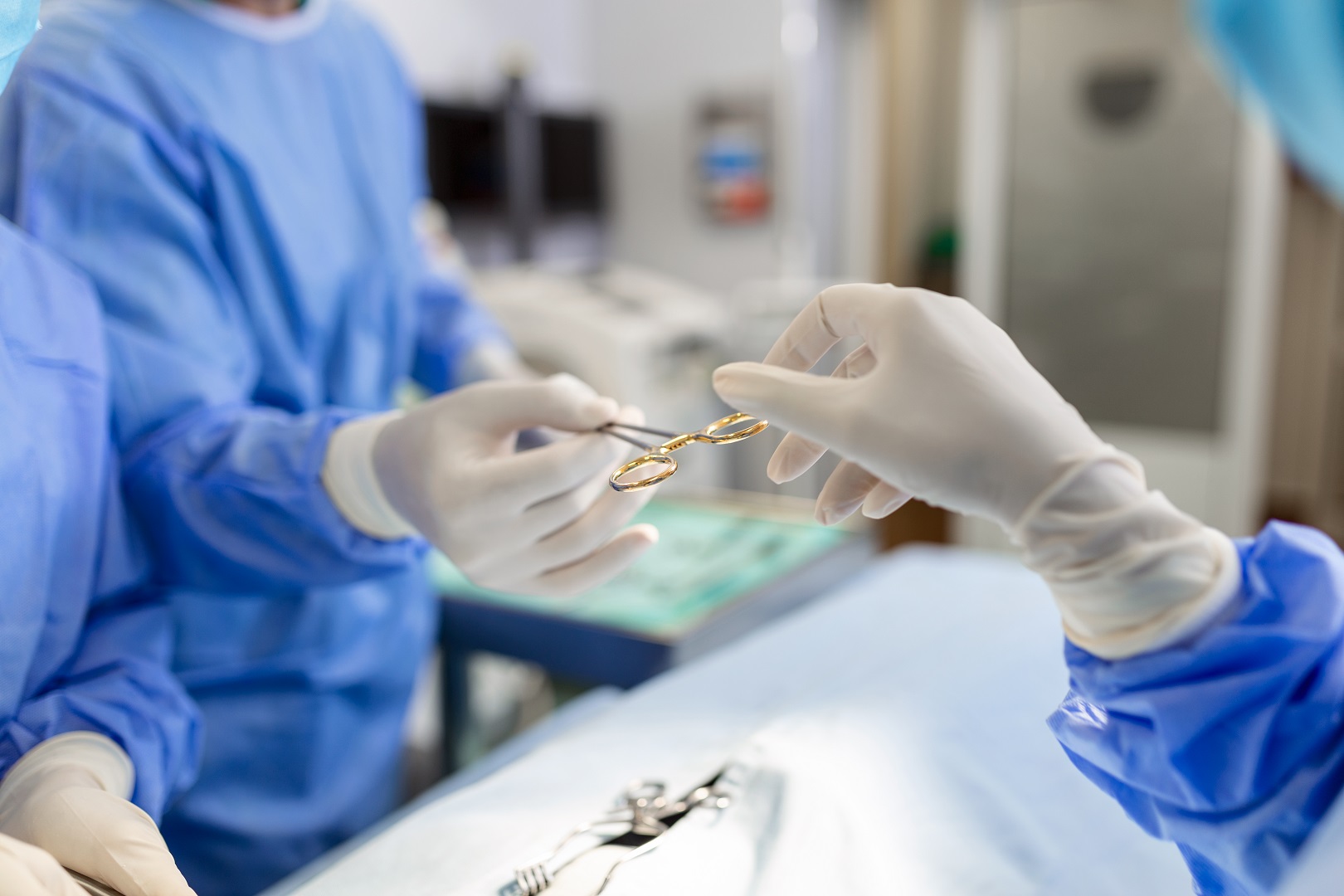
Following are the procedure steps:
Preparation: Before surgery, the patient undergoes a pre-operative assessment to ensure they are in good health for the procedure. Anesthesia options are discussed, and the patient's medical history and any allergies are carefully reviewed.
Anesthesia: Depending on the complexity of the surgery, anesthesia may be general (patient is unconscious) or local/regional (only the surgical area is numbed).
Incision: The surgeon makes an incision at the appropriate location, often guided by the specific procedure being performed.
Access and Exposure: Tissues are carefully dissected to expose the surgical area, providing the surgeon with a clear view of the structures involved.
Procedure Steps: The surgeon performs the necessary steps based on the type of hand surgery. This could include repairing tendons, releasing ligaments, removing cysts or tumors, fixing fractures, or other specific interventions.
Closure: Once the primary procedure is completed, the surgeon closes the incision with sutures or staples. In some cases, absorbable stitches may be used.
Dressing and Immobilization: A sterile dressing is applied to the incision site to protect it from infection, and the hand may be immobilized with a splint or cast.
Recovery Room: The patient is transferred to a recovery room where vital signs are monitored as they wake up from anesthesia.
Postoperative Care: Patients receive postoperative instructions, including information on wound care, pain management, and any restrictions on activities.
Follow-up: Follow-up appointments are scheduled to monitor healing, remove stitches or staples, and assess overall progress.
India has become a popular destination for Hand Surgery due to its world-class medical facilities, experienced surgeons, and lower costs compared to other countries. Indian hospitals have state-of-the-art technology and equipment and offer excellent healthcare services at an affordable price. Patients from around the world can benefit from the cost-effective and high-quality healthcare services offered in India.
Gomedi9 is a medical tourism company that specializes in helping patients plan and organize their medical travel to India. They provide a range of services to make the process of medical tourism hassle-free and convenient for patients.
Gomedi9 can help patients to choose the right hospital, book accommodation, arrange transportation, provide interpreters, and ensure that the patient receives the best possible medical treatment at an affordable price. They have a team of experienced professionals who guide patients throughout the process of medical tourism, from the initial consultation to post-operative care.
