

Welcome guest
Monday to Friday8AM - 9PM
AddressABC A-504, Rajnigandha Apartment, VADODARA-390007, GUJARAT, India.
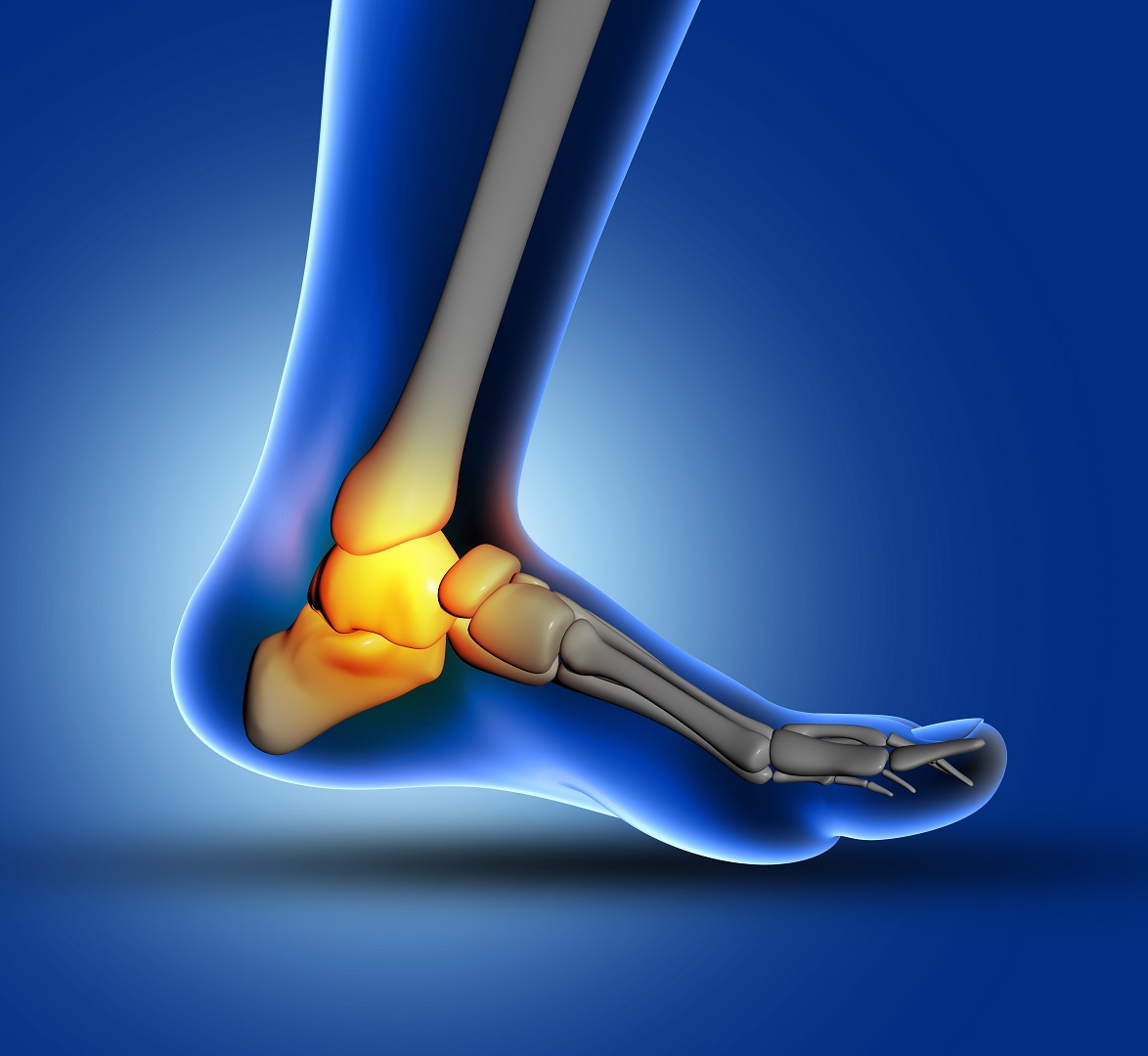
Foot and ankle surgery is a specialized branch of orthopedic surgery that focuses on the diagnosis and treatment of conditions and injuries affecting the feet and ankles.
Foot and ankle surgery encompasses various types of procedures, ranging from minimally invasive treatments to more complex surgeries. The specific type of surgery depends on the nature and severity of the foot or ankle condition.
Here are some common types of foot and ankle surgeries:

General overview of the surgical process for foot and ankle surgery is:
Preoperative Assessment:
1. Patient Evaluation: The surgeon conducts a thorough examination of the patient's medical history, performs a physical examination, and may order diagnostic tests such as X-rays, MRI, or CT scans to assess the extent of the foot or ankle condition.
2. Discussion and Informed Consent: The surgeon discusses the proposed procedure, potential risks and benefits, expected outcomes, and postoperative care with the patient. Informed consent is obtained.
Anesthesia: Depending on the nature of the surgery, anesthesia options may include local anesthesia, regional anesthesia, or general anesthesia.
Incision: The surgeon makes one or more incisions to access the affected area. Incisions are strategically placed to minimize scarring and provide optimal visibility for the surgical procedure.
Surgical Intervention:
1. The specific steps of the surgical procedure depend on the type of surgery being performed. Examples include realignment of bones, removal of damaged tissue, repair of tendons or ligaments, joint fusion, joint replacement, or other necessary corrections.
2. Surgical techniques may include the use of screws, plates, wires, or other fixation devices to stabilize bones or hold tissues in place.
3. Minimally invasive procedures, such as arthroscopy, involve small incisions and the use of a camera to visualize and treat the problem without extensive tissue disruption.
Closure: Once the surgical intervention is completed, the surgeon closes the incisions using sutures or staples. In some cases, absorbable sutures may be used.
Postoperative Care: The patient is moved to a recovery area, where vital signs are monitored as the anesthesia wears off. Postoperative pain management is initiated, often through a combination of medications. Depending on the surgery, the patient may be fitted with a cast, brace, or other orthopedic devices to support the foot or ankle during the initial healing phase.
Rehabilitation: Rehabilitation and physical therapy are crucial components of recovery. Exercises and activities are prescribed to promote healing, restore range of motion, and strengthen the affected area.
Follow-Up Care: Regular follow-up appointments are scheduled to monitor the progress of healing, remove stitches or staples, and adjust the treatment plan as needed.
Long-Term Monitoring: Some foot and ankle surgeries may require ongoing monitoring, especially for conditions like arthritis or chronic disorders.
India has become a popular destination for Foot & Ankle Surgery due to its world-class medical facilities, experienced surgeons, and lower costs compared to other countries. Indian hospitals have state-of-the-art technology and equipment and offer excellent healthcare services at an affordable price. Patients from around the world can benefit from the cost-effective and high-quality healthcare services offered in India.
Gomedi9 is a medical tourism company that specializes in helping patients plan and organize their medical travel to India. They provide a range of services to make the process of medical tourism hassle-free and convenient for patients.
Gomedi9 can help patients to choose the right hospital, book accommodation, arrange transportation, provide interpreters, and ensure that the patient receives the best possible medical treatment at an affordable price. They have a team of experienced professionals who guide patients throughout the process of medical tourism, from the initial consultation to post-operative care.
