

Welcome guest
Monday to Friday8AM - 9PM
AddressABC A-504, Rajnigandha Apartment, VADODARA-390007, GUJARAT, India.

Shoulder replacement, also known as shoulder arthroplasty, is a surgical procedure in which a damaged or diseased shoulder joint is replaced with an artificial joint, or prosthesis.
Shoulder replacement surgery aims to relieve pain, improve joint function, and enhance the overall quality of life for individuals with severe shoulder joint problems. There are different types of shoulder replacement procedures, including total shoulder replacement, partial shoulder replacement (hemiarthroplasty), and reverse shoulder replacement. The choice of procedure depends on the specific condition of the patient's shoulder joint and the goals of the surgery.
The three main types of shoulder replacement surgeries are:
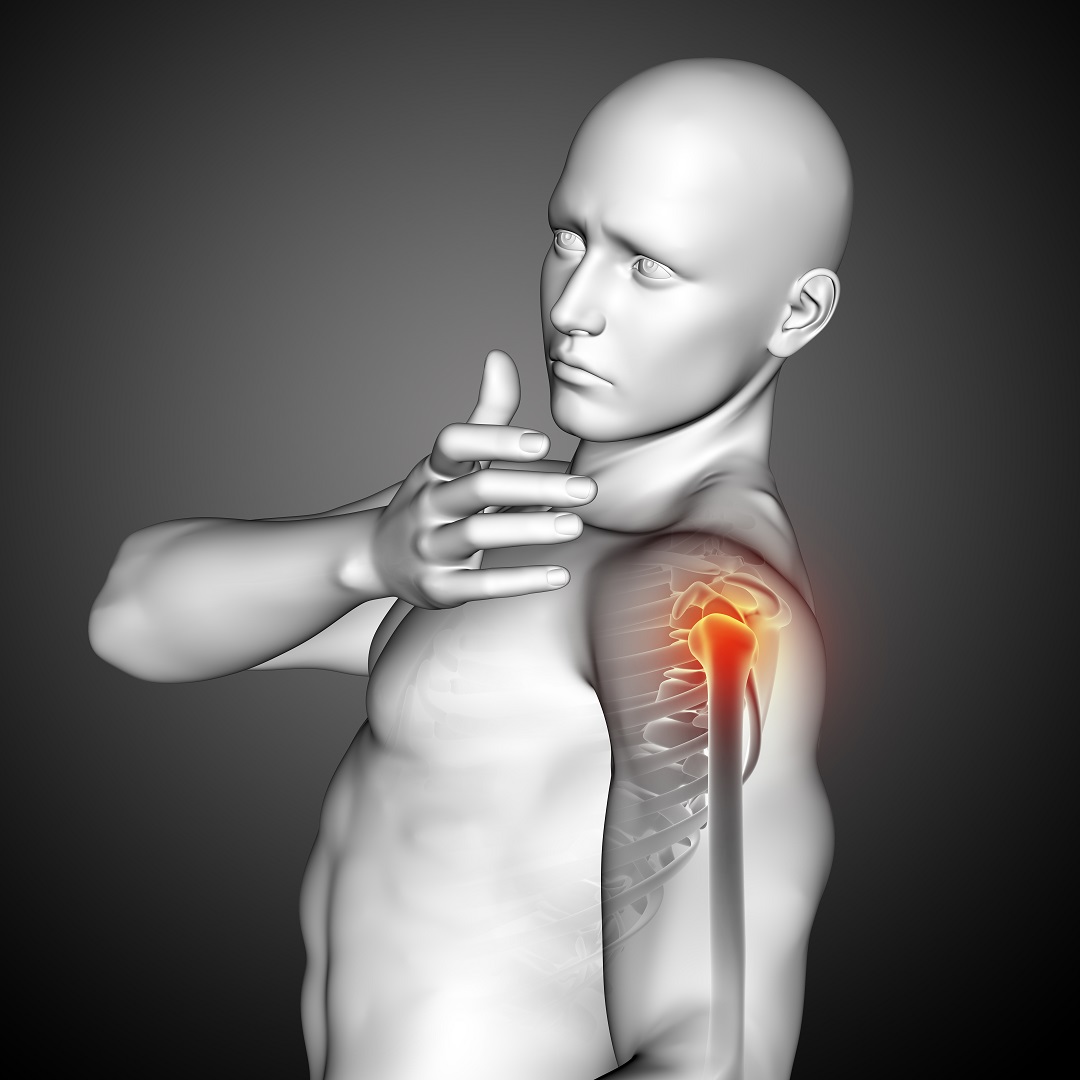
Here is a general overview of the steps involved in a total shoulder replacement:
Preparation: Before the surgery, the patient will undergo a thorough evaluation, including medical history, physical examination, and imaging studies (such as X-rays and MRI) to assess the condition of the shoulder joint.
Anesthesia: The patient is placed under general anesthesia, meaning they are asleep and feel no pain during the surgery. In some cases, regional anesthesia (such as a nerve block) may also be used to numb the shoulder and surrounding area.
Incision: The surgeon makes an incision over the shoulder to access the joint.
The size and location of the incision may vary based on the specific type of shoulder replacement and the surgeon's preference.
Joint Exposure: The surgeon carefully moves muscles and other tissues to expose the shoulder joint.
Joint Resection: The damaged or diseased parts of the shoulder joint, including the arthritic or injured humeral head and damaged cartilage, are removed.
Implant Placement: In a total shoulder replacement, the metal ball component is attached to the upper end of the humerus, and the plastic socket component is implanted into the shoulder blade. In a reverse shoulder replacement, the positions of the ball and socket are reversed.
Closure: The surgeon closes the incision with stitches or staples and may use sterile dressings to cover the wound.
Recovery and Rehabilitation: After the surgery, the patient is moved to a recovery area, and the medical team monitors vital signs. Physical therapy is a crucial part of the recovery process, and patients typically begin gentle exercises to improve range of motion and strength in the shoulder.
India has become a popular destination for Shoulder Replacement due to its world-class medical facilities, experienced surgeons, and lower costs compared to other countries. Indian hospitals have state-of-the-art technology and equipment and offer excellent healthcare services at an affordable price. Patients from around the world can benefit from the cost-effective and high-quality healthcare services offered in India.
Gomedi9 is a medical tourism company that specializes in helping patients plan and organize their medical travel to India. They provide a range of services to make the process of medical tourism hassle-free and convenient for patients.
Gomedi9 can help patients to choose the right hospital, book accommodation, arrange transportation, provide interpreters, and ensure that the patient receives the best possible medical treatment at an affordable price. They have a team of experienced professionals who guide patients throughout the process of medical tourism, from the initial consultation to post-operative care.
