

Welcome guest
Monday to Friday8AM - 9PM
AddressABC A-504, Rajnigandha Apartment, VADODARA-390007, GUJARAT, India.
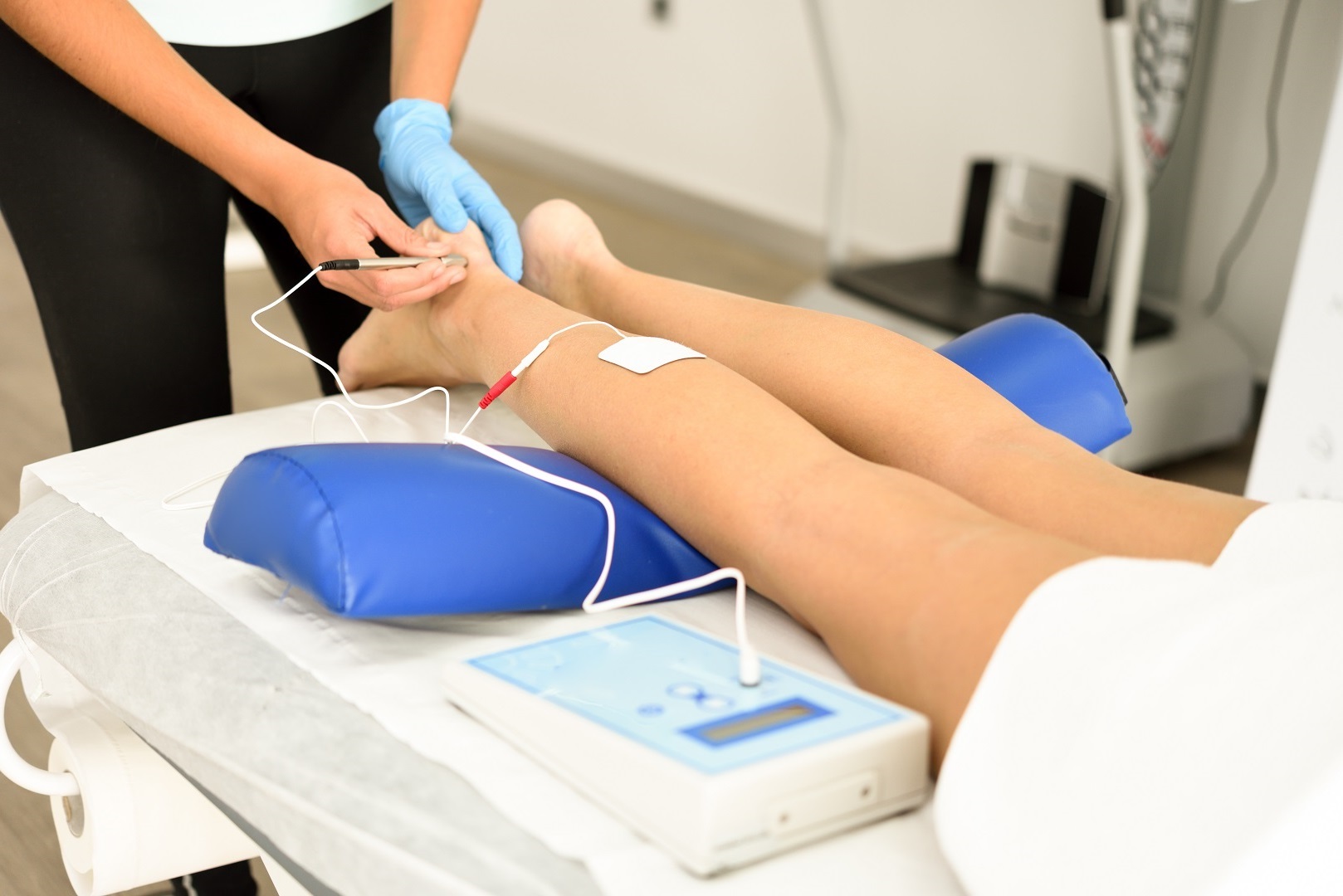
Orthopaedic ESWT is a medical treatment that involves the use of shock waves to treat musculoskeletal conditions, particularly those related to the bones and soft tissues.
In ESWT (Extracorporeal Shock Wave Therapy), shock waves are high-energy sound waves generated outside the body and then directed toward the area requiring treatment. The shock waves can stimulate healing and reduce pain by promoting blood flow, cellular repair, and the formation of new blood vessels.
ESWT can be broadly categorized into two main types:
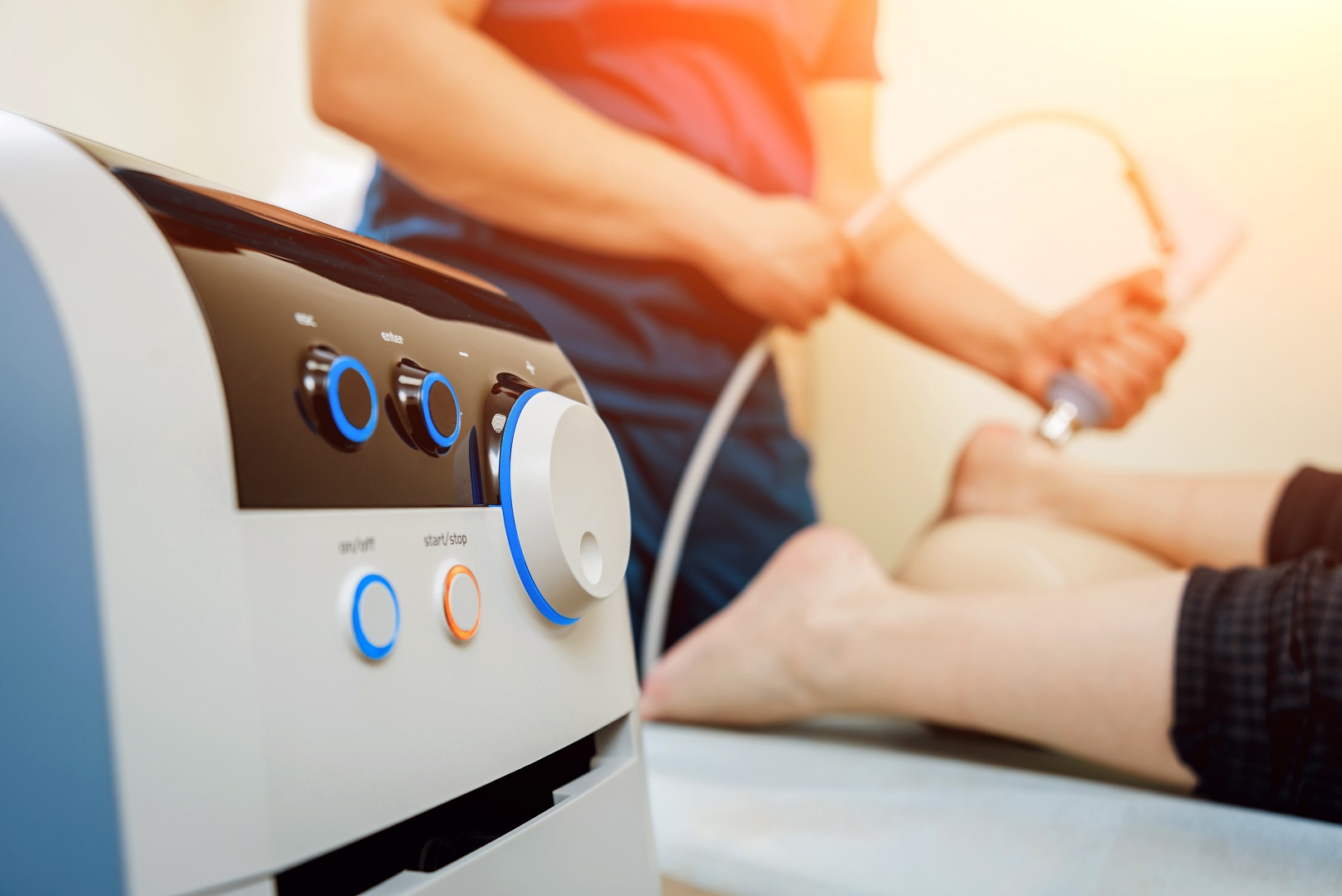
Below is a general overview of what a patient might expect during an ESWT session:
Patient Evaluation: Before the procedure, the healthcare provider will conduct a thorough evaluation of the patient's medical history and perform a physical examination to determine the appropriateness of ESWT for the specific condition.
Patient Positioning: Depending on the area being treated, the patient will be positioned appropriately. For example, if treating the foot or leg, the patient may be seated or lying down.
Ultrasound or Imaging (if necessary): In some cases, the healthcare provider may use ultrasound or other imaging techniques to precisely locate and target the affected area before delivering shock waves.
Application of Gel or Coupling Medium: A gel or coupling medium is applied to the skin over the treatment area. This helps facilitate the transmission of shock waves and prevents air from interfering with the procedure.
Shock Wave Application: The shock wave therapy device is then positioned over the targeted area. For focused shock wave therapy, the device is precisely aimed at the specific point requiring treatment. For radial shock wave therapy, the device is placed in contact with the skin, and shock waves radiate outward.
Adjustment of Settings: The healthcare provider will adjust the settings of the ESWT device based on the patient's condition and the treatment plan. This includes setting the appropriate energy levels and the number of shock waves.
Shock Wave Delivery: The shock waves are delivered in a controlled manner to the targeted tissues. The patient may feel a sensation of pressure or mild discomfort during the procedure, but it is generally tolerable.
Post-Procedure Care: After the ESWT session, the patient may be given instructions on post-procedure care. This may include recommendations for activity modification, ice application, and any necessary follow-up appointments.
Follow-Up Assessments: Follow-up appointments may be scheduled to assess the patient's response to the treatment and make any necessary adjustments to the ongoing treatment plan.
India has become a popular destination for Orthopaedic ESWT due to its world-class medical facilities, experienced surgeons, and lower costs compared to other countries. Indian hospitals have state-of-the-art technology and equipment and offer excellent healthcare services at an affordable price. Patients from around the world can benefit from the cost-effective and high-quality healthcare services offered in India.
Gomedi9 is a medical tourism company that specializes in helping patients plan and organize their medical travel to India. They provide a range of services to make the process of medical tourism hassle-free and convenient for patients.
Gomedi9 can help patients to choose the right hospital, book accommodation, arrange transportation, provide interpreters, and ensure that the patient receives the best possible medical treatment at an affordable price. They have a team of experienced professionals who guide patients throughout the process of medical tourism, from the initial consultation to post-operative care.
