

Welcome guest
Monday to Friday8AM - 9PM
AddressABC A-504, Rajnigandha Apartment, VADODARA-390007, GUJARAT, India.
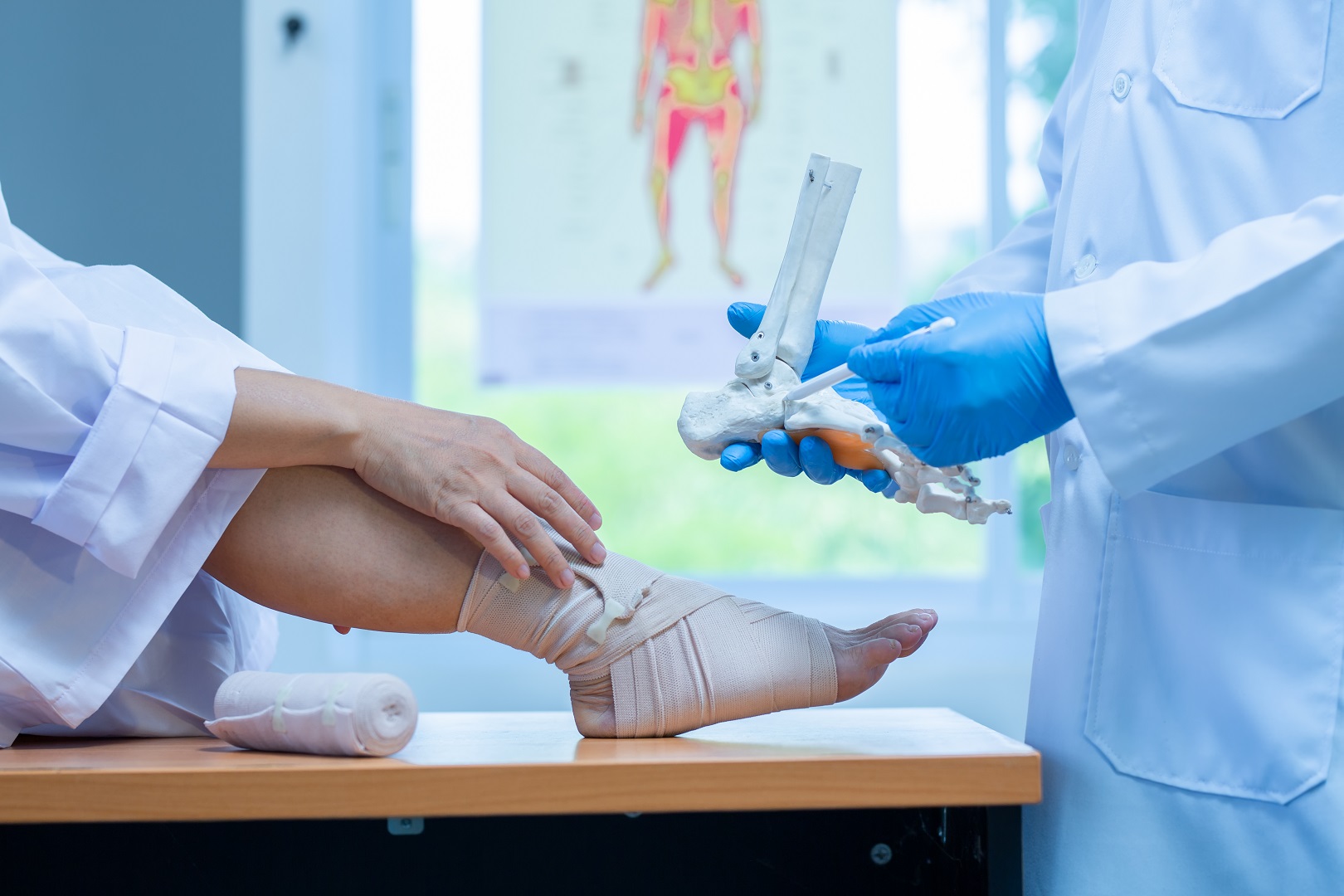
Orthopedic ankle replacement is a surgical procedure designed to treat severe arthritis or other conditions that have damaged the ankle joint.
The surgery involves removing the damaged portions of the ankle joint and replacing them with artificial components, typically made of metal and plastic.
Some common types of ankle replacements include:
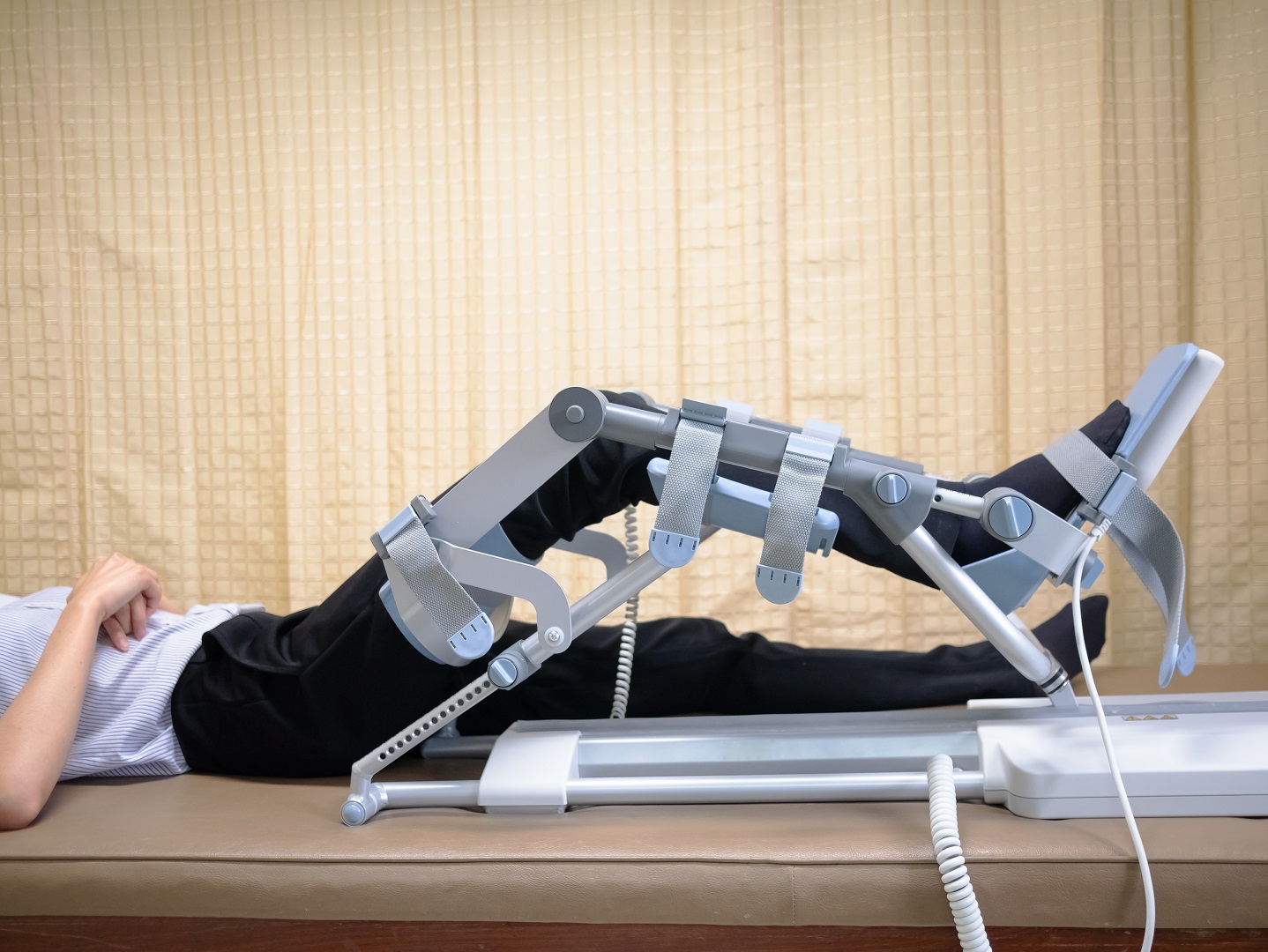
The following is a general overview of the steps involved in the procedure:
Preoperative Evaluation: The patient undergoes a thorough preoperative assessment, including medical history, physical examination, and imaging studies (X-rays, CT scans, or MRIs) to evaluate the extent of ankle damage and ensure that ankle replacement is the appropriate treatment.
Anesthesia: The patient is placed under general anesthesia or a regional anesthetic (spinal or epidural) to ensure they are comfortable and pain-free during the surgery.
Incision: The surgeon makes an incision on the front or side of the ankle, providing access to the ankle joint. The choice of incision depends on the surgeon's preference and the specific characteristics of the patient's anatomy.
Joint Exposure: The surgeon carefully exposes the ankle joint, taking care to protect surrounding structures such as nerves, blood vessels, and tendons.
Joint Resection: The damaged cartilage and bone within the ankle joint are removed. The surgeon uses specialized instruments to shape the tibia (shinbone) and talus (anklebone) to accommodate the artificial components.
Implant Placement: The artificial components, typically made of metal and plastic, are securely implanted into the prepared areas of the tibia and talus. These components may include a metal tibial component, a metal talar component, and a plastic spacer that facilitates smooth joint movement.
Closure: Once the components are in place, the surgeon closes the incision with stitches or staples. A sterile dressing is applied to protect the wound.
Postoperative Care: The patient is closely monitored in the recovery room before being transferred to a regular hospital room. Pain management, rehabilitation, and preventing complications like infection are priorities during the postoperative period.
Rehabilitation: Physical therapy and rehabilitation play a crucial role in the recovery process. Patients are guided through exercises to improve strength, flexibility, and function. Weight-bearing on the operated leg is gradually introduced based on the surgeon's recommendations.
Follow-up: Regular follow-up appointments are scheduled to monitor the healing process, assess joint function, and address any concerns or complications that may arise.
India has become a popular destination for Ankle Replacement due to its world-class medical facilities, experienced surgeons, and lower costs compared to other countries. Indian hospitals have state-of-the-art technology and equipment and offer excellent healthcare services at an affordable price. Patients from around the world can benefit from the cost-effective and high-quality healthcare services offered in India.
Gomedi9 is a medical tourism company that specializes in helping patients plan and organize their medical travel to India. They provide a range of services to make the process of medical tourism hassle-free and convenient for patients.
Gomedi9 can help patients to choose the right hospital, book accommodation, arrange transportation, provide interpreters, and ensure that the patient receives the best possible medical treatment at an affordable price. They have a team of experienced professionals who guide patients throughout the process of medical tourism, from the initial consultation to post-operative care.
