

Welcome guest
Monday to Friday8AM - 9PM
AddressABC A-504, Rajnigandha Apartment, VADODARA-390007, GUJARAT, India.
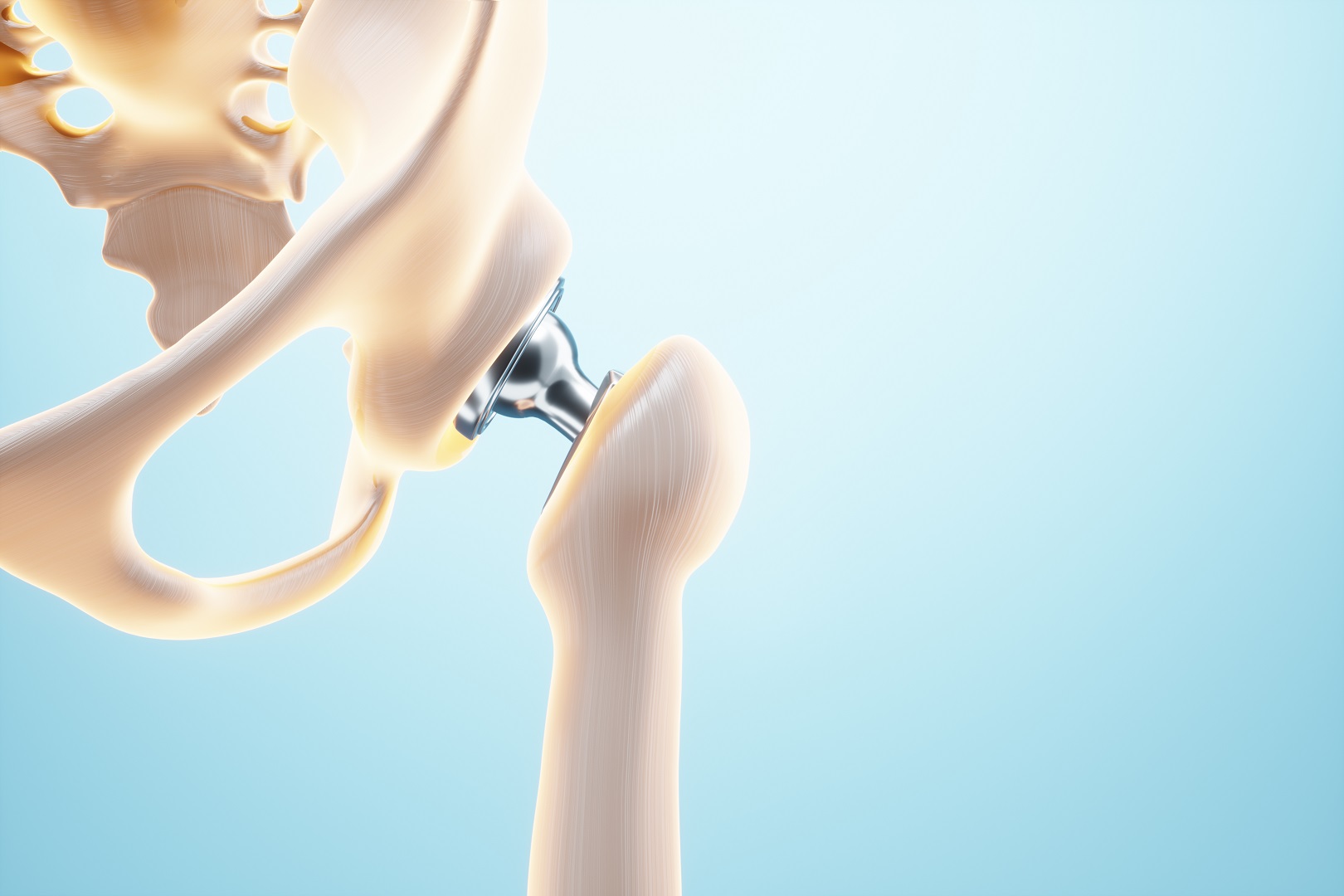
Arthroplasty refers to a surgical procedure involving the reconstruction or replacement of a joint.
It focuses on the restoration of joint function and alleviation of pain caused by joint disorders such as osteoarthritis, rheumatoid arthritis, or other degenerative conditions.
The most common types of orthopaedic arthroplasty are:
Below is a generalized outline of the steps involved in a typical joint arthroplasty procedure:
Preoperative Steps:
1. Patient Evaluation: Comprehensive medical history and physical examination. Imaging studies (X-rays, MRI, CT scans) to assess the joint condition.
2. Preparation: Preoperative counseling and education for the patient. Fasting before surgery. Preoperative skin preparation and antibiotic administration.
Intraoperative Steps:
1. Anesthesia: Administering anesthesia (general or regional) to ensure the patient is comfortable and pain-free during the procedure.
2. Incision: Making an incision over the joint to access the damaged or diseased area.
3. Exposure of the Joint: Dissecting through tissues to expose the joint.
4. Removal of Damaged Tissue: Excising damaged cartilage, bone, and any other affected structures.
5. Bone Preparation: Reshaping the bones to accommodate the artificial implants.
6. Implant Placement: Affixing the prosthetic components to the prepared bone surfaces. Securing the components using surgical cement or by promoting bone growth into the implant surface (uncemented).
7. Closure: Closing the incision with sutures or staples.
Postoperative Steps:
1. Recovery Room: Monitoring the patient in the recovery room until they awaken from anesthesia.
2. Postoperative Care: Pain management. Monitoring vital signs. Physical therapy to promote joint mobility.
3. Hospital Stay: The length of hospital stay can vary but is typically a few days.
4. Follow-up Care: Postoperative visits for wound checks and monitoring. Gradual introduction of physical therapy and rehabilitation exercises.
5. Rehabilitation: Physiotherapy to regain joint function, strength, and mobility. Gradual return to normal activities.
6. Long-Term Follow-up: Regular follow-up appointments to monitor the joint's function and the overall success of the procedure.
India has become a popular destination for Arthroplasty due to its world-class medical facilities, experienced surgeons, and lower costs compared to other countries. Indian hospitals have state-of-the-art technology and equipment and offer excellent healthcare services at an affordable price. Patients from around the world can benefit from the cost-effective and high-quality healthcare services offered in India.
Gomedi9 is a medical tourism company that specializes in helping patients plan and organize their medical travel to India. They provide a range of services to make the process of medical tourism hassle-free and convenient for patients.
Gomedi9 can help patients to choose the right hospital, book accommodation, arrange transportation, provide interpreters, and ensure that the patient receives the best possible medical treatment at an affordable price. They have a team of experienced professionals who guide patients throughout the process of medical tourism, from the initial consultation to post-operative care.
