

Welcome guest
Monday to Friday8AM - 9PM
AddressABC A-504, Rajnigandha Apartment, VADODARA-390007, GUJARAT, India.
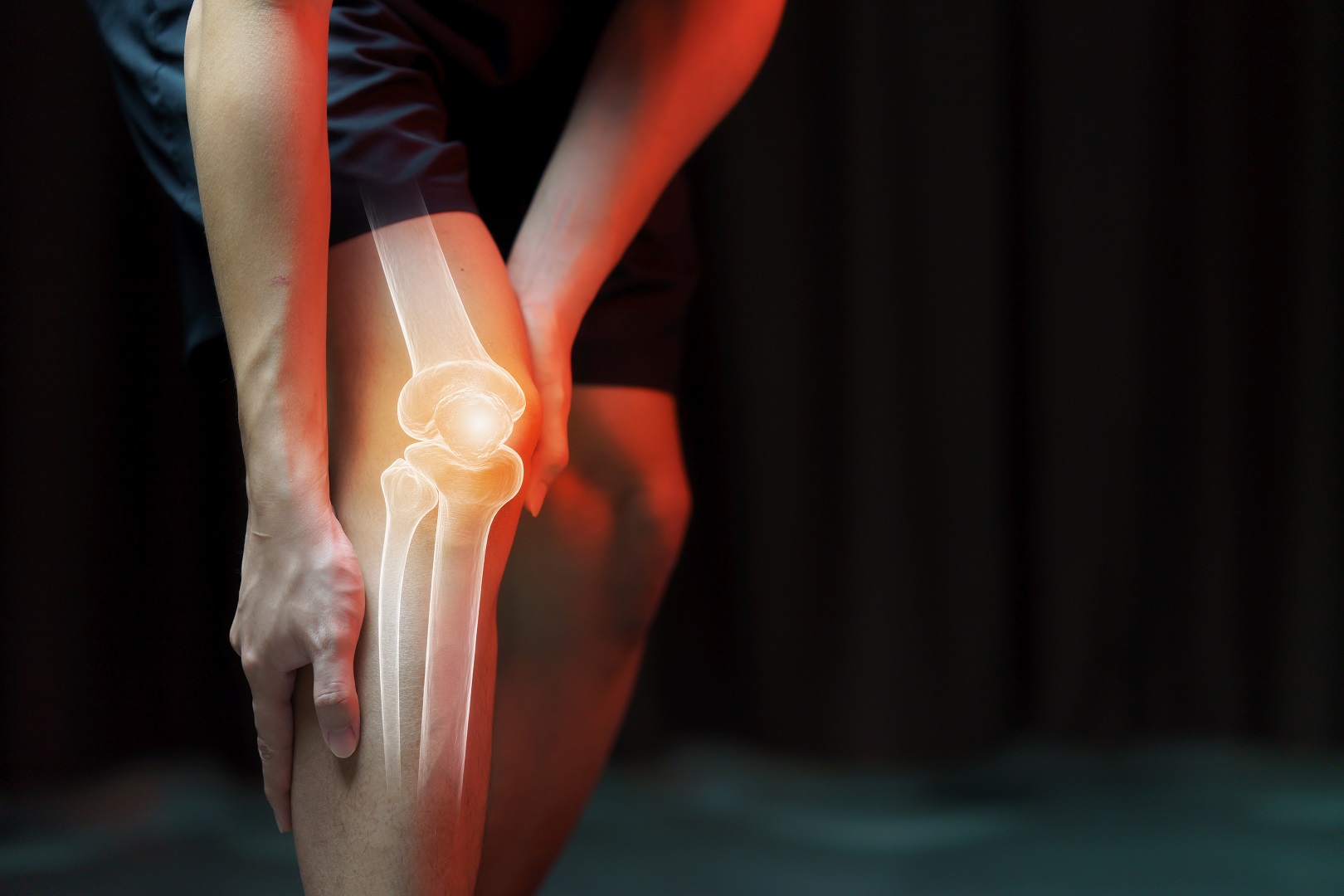
Orthopaedic tendonitis is a condition characterized by inflammation of a tendon within the musculoskeletal system.
Tendonitis can occur in various parts of the body, commonly affecting the shoulders, elbows, wrists, hips, knees, and ankles. Overuse or repetitive movements, injuries, aging, and certain medical conditions can contribute to the development of tendonitis. Athletes, individuals involved in repetitive activities, or those with poor biomechanics may be more susceptible to this condition.
Some common types of orthopaedic tendonitis include:
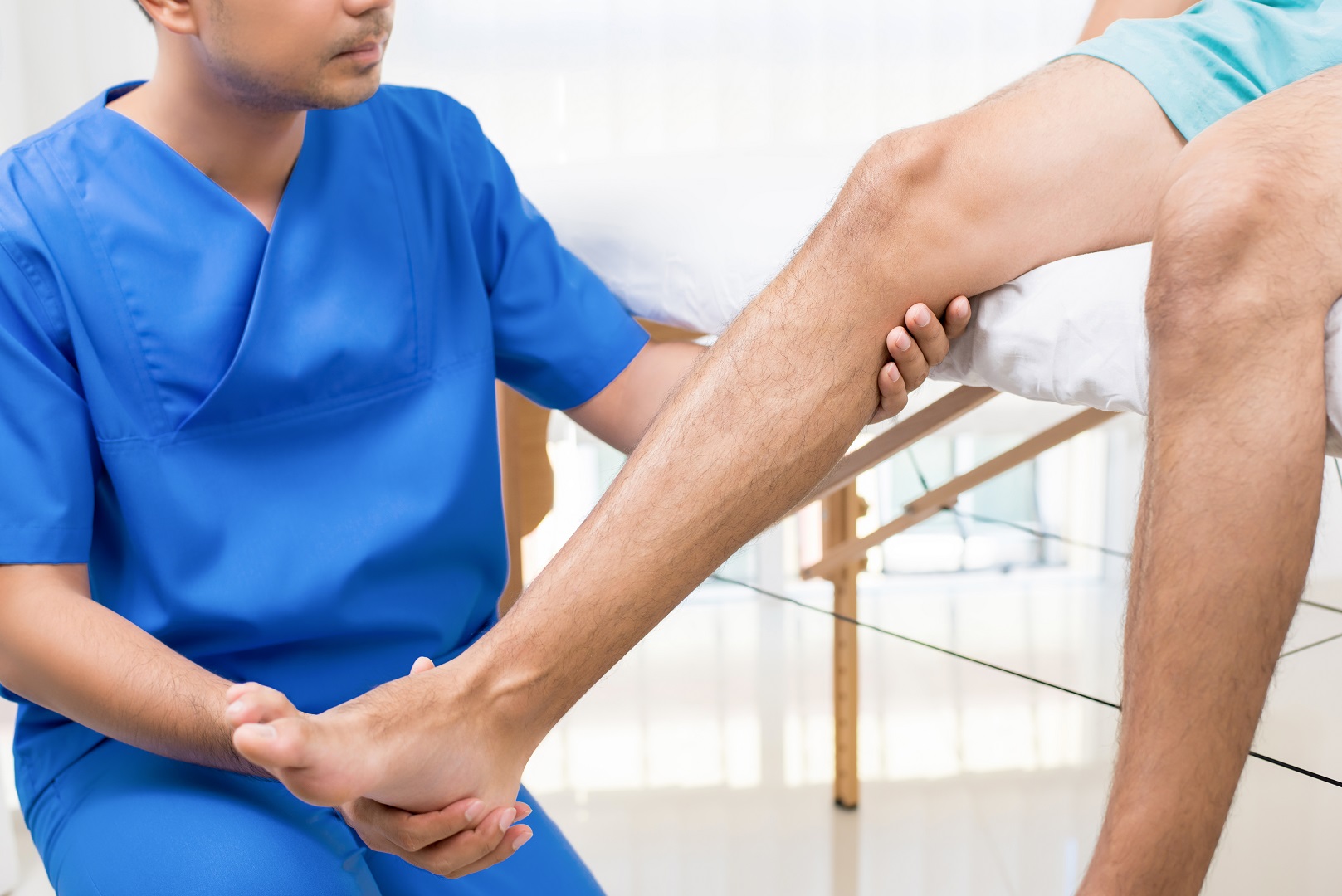
Here is a general overview of the procedures and steps commonly involved in managing orthopaedic tendonitis:
Medical Evaluation and Diagnosis: A healthcare professional, often an orthopedic specialist or a sports medicine physician, will perform a thorough examination to assess the symptoms and evaluate the affected area. Imaging studies such as X-rays, ultrasound, or MRI may be used to confirm the diagnosis and assess the extent of the inflammation or any structural damage.
Rest and Activity Modification: The initial step in treating tendonitis is often to rest the affected area, avoiding activities that exacerbate symptoms. Activity modification may be recommended to prevent further irritation and allow the tendon to heal.
Ice Therapy: Applying ice to the affected area can help reduce inflammation and alleviate pain. This is typically done for 15-20 minutes at a time, several times a day.
Anti-Inflammatory Medications: Nonsteroidal anti-inflammatory drugs may be prescribed or recommended to help reduce pain and inflammation.
Physical Therapy: A physical therapist can design a specific exercise program to strengthen the muscles around the affected tendon, improve flexibility, and promote healing. Techniques such as ultrasound or electrical stimulation may also be used in physical therapy.
Bracing or Splinting: In some cases, using braces or splints may help support the affected area and limit movement to promote healing.
Corticosteroid Injections: In cases of persistent inflammation, a healthcare provider may administer corticosteroid injections directly into the affected tendon to reduce inflammation and pain.
Platelet-Rich Plasma Therapy: PRP therapy involves injecting a concentration of the patient's own platelets into the affected area to promote healing. This is a more recent and evolving treatment option.
Extracorporeal Shock Wave Therapy: ESWT involves the use of shock waves to stimulate healing in the affected tendon. It is often considered for chronic cases.
Surgery: In severe or persistent cases where conservative measures are not effective, surgical intervention may be considered. This could involve repairing or removing damaged tissue, and it's typically a last resort.
India has become a popular destination for Orthopaedic Tendonitis due to its world-class medical facilities, experienced surgeons, and lower costs compared to other countries. Indian hospitals have state-of-the-art technology and equipment and offer excellent healthcare services at an affordable price. Patients from around the world can benefit from the cost-effective and high-quality healthcare services offered in India.
Gomedi9 is a medical tourism company that specializes in helping patients plan and organize their medical travel to India. They provide a range of services to make the process of medical tourism hassle-free and convenient for patients.
Gomedi9 can help patients to choose the right hospital, book accommodation, arrange transportation, provide interpreters, and ensure that the patient receives the best possible medical treatment at an affordable price. They have a team of experienced professionals who guide patients throughout the process of medical tourism, from the initial consultation to post-operative care.
