

Welcome guest
Monday to Friday8AM - 9PM
AddressABC A-504, Rajnigandha Apartment, VADODARA-390007, GUJARAT, India.

Peripheral nerve surgery refers to surgical procedures that involve the nerves outside the brain and spinal cord, collectively known as peripheral nerves.
Peripheral nerve surgery encompasses various procedures, each designed to address specific issues related to the peripheral nerves.
Here are some types of peripheral nerve surgery:
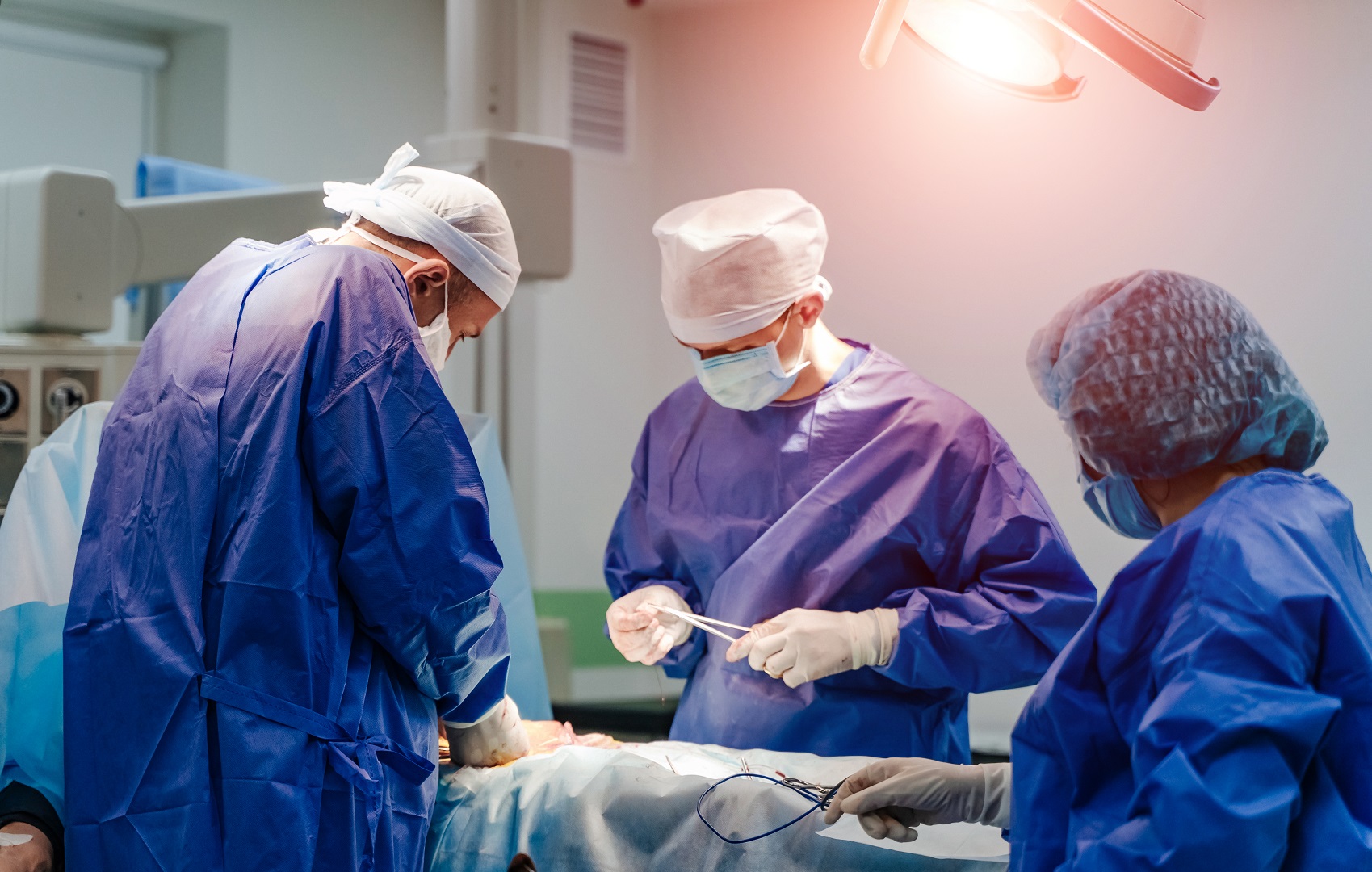
Following are the procedure steps:
Patient Evaluation: The process begins with a thorough evaluation of the patient's medical history, symptoms, and diagnostic tests (such as imaging studies or nerve conduction studies) to determine the underlying issue.
Preoperative Preparation: Before the surgery, the patient is prepared for the procedure, which may include anesthesia induction and positioning on the operating table.
Incision: The surgeon makes an incision at the appropriate location, allowing access to the affected peripheral nerve.
Nerve Exposure: Using microsurgical techniques, the surgeon carefully exposes the affected nerve, ensuring minimal damage to surrounding tissues.
Nerve Assessment: The surgeon assesses the condition of the nerve, checking for signs of compression, injury, or other abnormalities.
Decompression: If the surgery aims to relieve nerve compression, the surgeon releases any structures or tissues that are compressing the nerve. For example, in carpal tunnel release, the transverse carpal ligament may be cut to relieve pressure on the median nerve.
Nerve Repair: In cases of nerve injuries, the surgeon may perform nerve repair by suturing the damaged nerve ends together. In more severe cases, nerve grafts may be used to bridge the gap between the severed ends.
Nerve Transfer: If a nerve transfer is indicated, the surgeon identifies a healthy donor nerve and connects it to the target nerve to restore function.
Closure: Once the necessary repairs are made, the surgeon carefully closes the incision using sutures or staples.
Postoperative Care: After surgery, the patient is monitored in the recovery room before being transferred to a regular hospital room. Pain management and rehabilitation may be initiated, depending on the procedure.
Follow-up: Regular follow-up appointments are scheduled to monitor the patient's progress and address any postoperative issues.
India has become a popular destination for Peripheral Nerve Surgery due to its world-class medical facilities, experienced surgeons, and lower costs compared to other countries. Indian hospitals have state-of-the-art technology and equipment and offer excellent healthcare services at an affordable price. Patients from around the world can benefit from the cost-effective and high-quality healthcare services offered in India.
Gomedi9 is a medical tourism company that specializes in helping patients plan and organize their medical travel to India. They provide a range of services to make the process of medical tourism hassle-free and convenient for patients.
Gomedi9 can help patients to choose the right hospital, book accommodation, arrange transportation, provide interpreters, and ensure that the patient receives the best possible medical treatment at an affordable price. They have a team of experienced professionals who guide patients throughout the process of medical tourism, from the initial consultation to post-operative care.
