

Welcome guest
Monday to Friday8AM - 9PM
AddressABC A-504, Rajnigandha Apartment, VADODARA-390007, GUJARAT, India.

Radiofrequency rhizotomy is a medical procedure used to treat chronic pain, particularly pain arising from the facet joints of the spine.
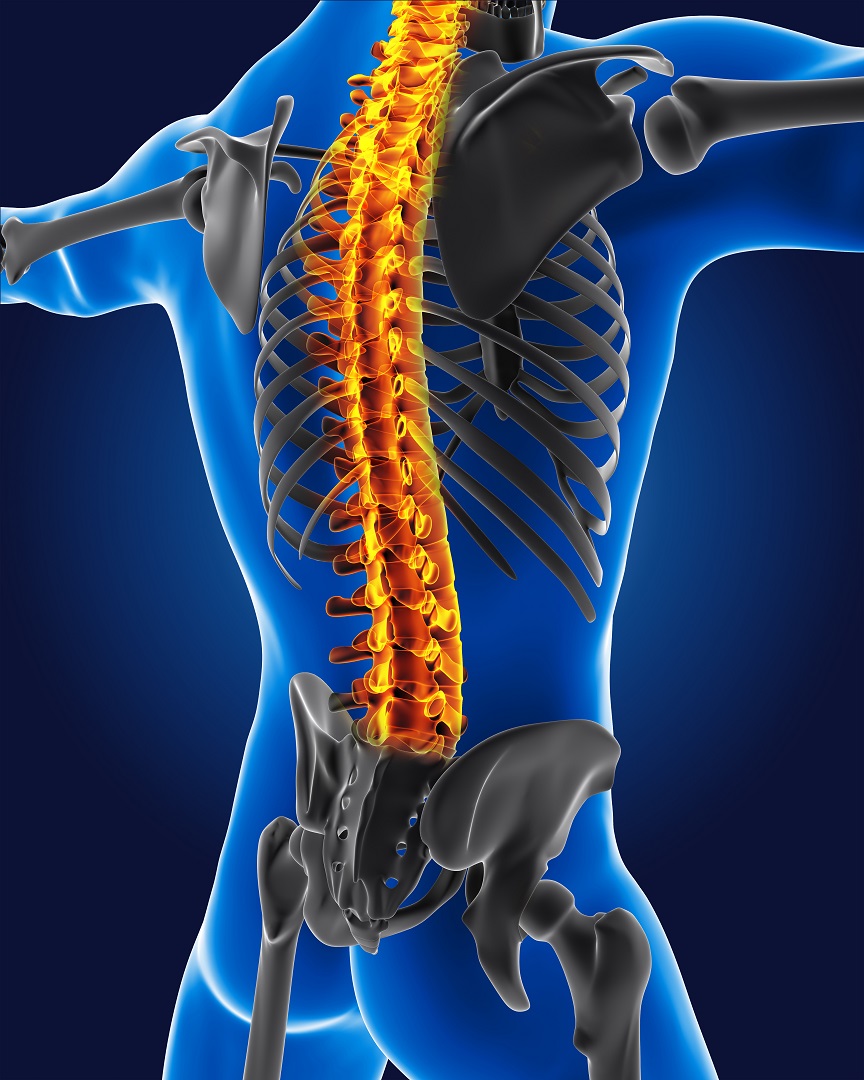
Facet joints are small joints between the vertebrae in the spine that allow for movement and flexibility. When these joints become painful due to conditions like arthritis or injury, radiofrequency rhizotomy may be considered as a treatment option. There are different types of radiofrequency rhizotomy procedures, each targeting specific nerves or areas of the body.
Some common types include:
Here's a general overview of the process:
Patient Evaluation: Before the procedure, the patient undergoes a thorough evaluation, including a review of their medical history and a physical examination. Diagnostic tests, such as imaging studies (X-rays, MRI scans), may be performed to identify the source of pain.
Informed Consent: The healthcare provider explains the procedure, its potential benefits, risks, and alternatives. The patient provides informed consent.
Preparation: The patient is positioned on an examination table, and the skin over the targeted area is cleaned and sterilized.
Local Anesthesia: A local anesthetic is administered to numb the skin and underlying tissues, reducing discomfort during the procedure
Needle Placement: Using fluoroscopic guidance (real-time X-ray imaging) to ensure precision, a thin needle electrode is inserted through the skin and directed toward the targeted nerves or structures. In the case of radiofrequency rhizotomy for facet joint pain, the needle is typically positioned near the medial branch nerves that transmit pain signals from the facet joints.
Sensory Testing: Sensory testing may be performed to confirm the correct placement of the needle. This involves stimulating the nerves with a low electrical current to reproduce the patient's usual pain temporarily.
Radiofrequency Ablation: Once the correct placement is confirmed, radiofrequency energy is applied through the electrode. The radiofrequency energy heats the nerve tissue, creating a lesion or coagulation that disrupts the nerve's ability to transmit pain signals.
Post-Procedure Observation: After the radiofrequency ablation, the needle is removed, and a small bandage is applied to the insertion site. The patient is monitored for a short period to ensure there are no immediate complications.
Recovery and Follow-up: Patients are usually able to resume normal activities shortly after the procedure. Some individuals may experience temporary soreness at the injection site. Pain relief from the procedure may take a few days to a few weeks to become apparent.
India has become a popular destination for Radiofrequency Rhizotomy due to its world-class medical facilities, experienced surgeons, and lower costs compared to other countries. Indian hospitals have state-of-the-art technology and equipment and offer excellent healthcare services at an affordable price. Patients from around the world can benefit from the cost-effective and high-quality healthcare services offered in India.
Gomedi9 is a medical tourism company that specializes in helping patients plan and organize their medical travel to India. They provide a range of services to make the process of medical tourism hassle-free and convenient for patients.
Gomedi9 can help patients to choose the right hospital, book accommodation, arrange transportation, provide interpreters, and ensure that the patient receives the best possible medical treatment at an affordable price. They have a team of experienced professionals who guide patients throughout the process of medical tourism, from the initial consultation to post-operative care.
