

Welcome guest
Monday to Friday8AM - 9PM
AddressABC A-504, Rajnigandha Apartment, VADODARA-390007, GUJARAT, India.
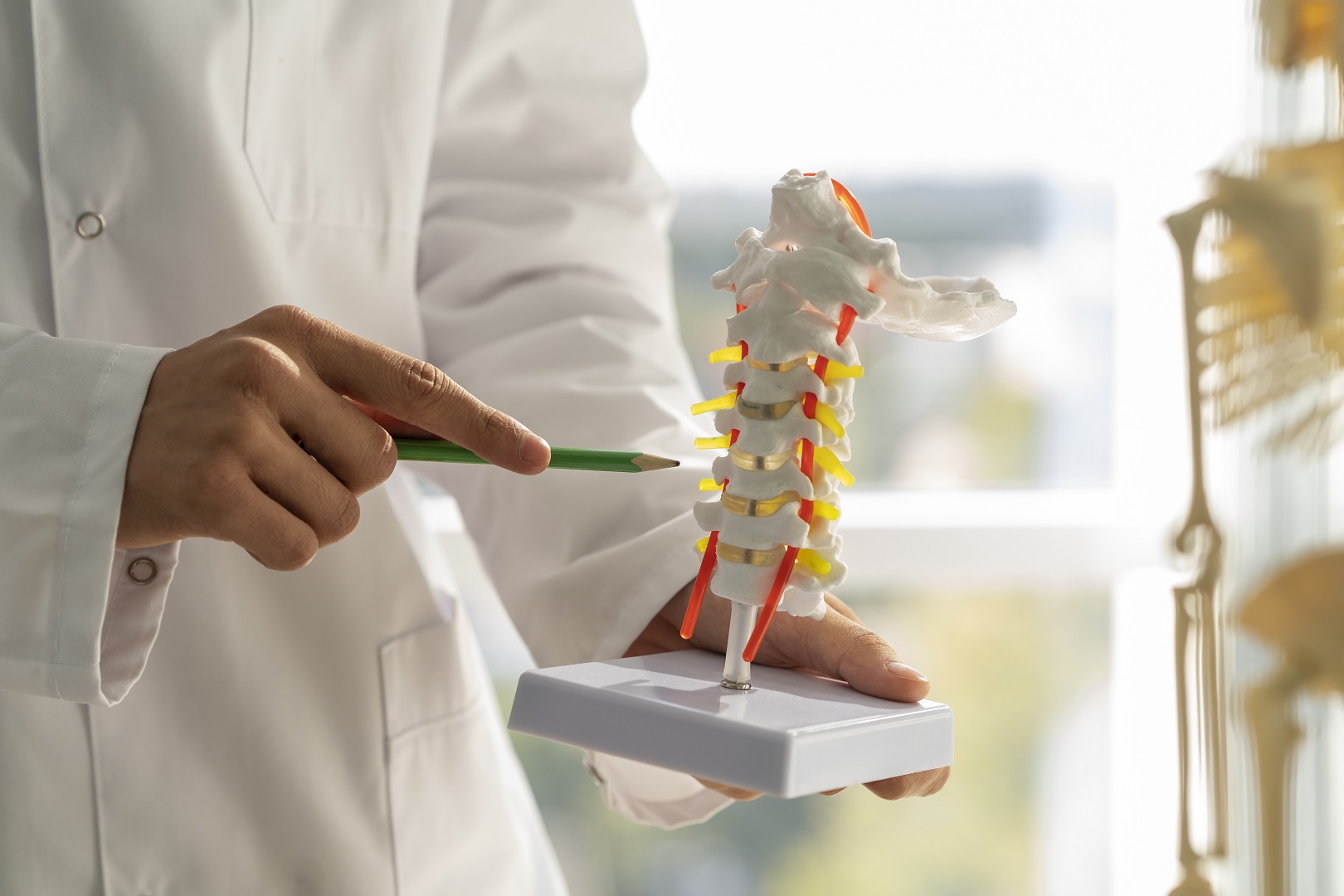
Spinal fusion is a surgical procedure performed to join two or more vertebrae together, creating a solid and immobile structure.
During the spinal fusion procedure, the surgeon uses bone grafts, metal implants, or a combination of both to encourage the growth of new bone between the vertebrae. The bone graft can be obtained from the patient's own body (autograft), a donor (allograft), or a synthetic material. The metal implants, such as rods, screws, and plates, are used to hold the vertebrae in place while the bone graft heals and fuses the adjacent vertebrae together.
. Here are some common types of spinal fusion::
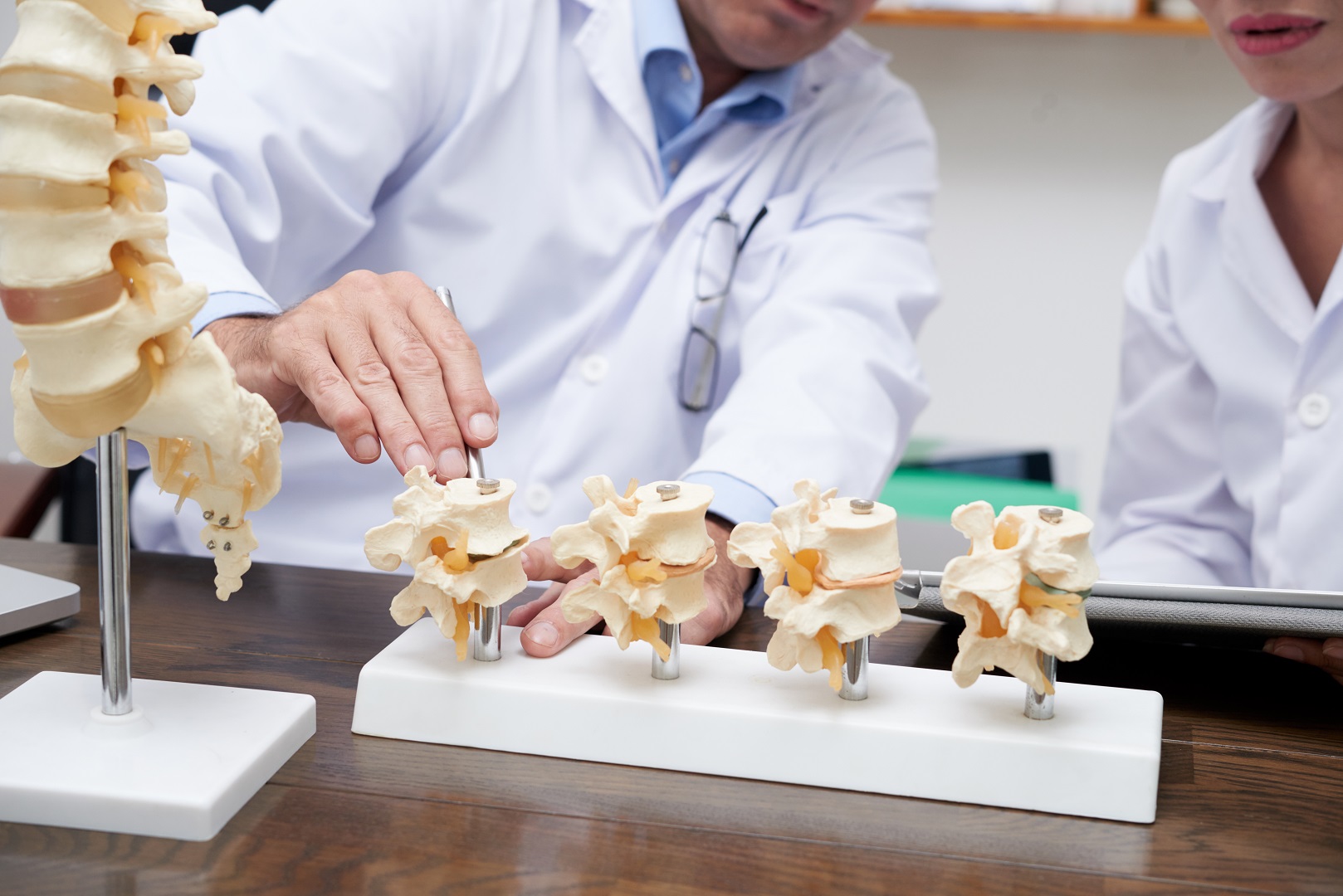
Here is a general overview of the steps involved in a typical spinal fusion surgery:
Preparation: Before the surgery, the patient is usually placed under general anesthesia to ensure they are unconscious and do not feel pain during the procedure. The patient is positioned on the operating table in a way that allows the surgeon optimal access to the spine.
Incision: The surgeon makes an incision over the affected area of the spine. The size and location of the incision depend on the type of fusion being performed (e.g., posterior, anterior, lateral).
Discectomy (if necessary): In cases where a spinal disc is contributing to the problem (e.g., herniated disc), the surgeon may perform a discectomy, which involves removing part or all of the damaged disc.
Bone Graft Harvesting: If autograft (bone from the patient's own body) is used, the surgeon may harvest bone from the patient's hip (iliac crest). Alternatively, allograft (donor bone) or synthetic bone graft material may be used.
Bone Graft Placement: The bone graft is placed between the vertebrae or into the disc space to encourage the fusion process. The graft serves as a scaffold for the formation of new bone.
Instrumentation (if necessary): If the surgeon deems it necessary for added stability during the fusion process, metal implants such as screws, rods, and plates may be used. These are attached to the vertebrae to hold them in the desired position.
Closure: The incision is closed with sutures or staples. The surgeon may use absorbable sutures beneath the skin, which eliminates the need for a second procedure to remove stitches.
Recovery: After the surgery, the patient is monitored in the recovery room before being transferred to a regular hospital room. Recovery times vary, but patients often need to limit certain activities and movements while the spine heals.
India has become a popular destination for Spinal Fusion due to its world-class medical facilities, experienced surgeons, and lower costs compared to other countries. Indian hospitals have state-of-the-art technology and equipment and offer excellent healthcare services at an affordable price. Patients from around the world can benefit from the cost-effective and high-quality healthcare services offered in India.
Gomedi9 is a medical tourism company that specializes in helping patients plan and organize their medical travel to India. They provide a range of services to make the process of medical tourism hassle-free and convenient for patients.
Gomedi9 can help patients to choose the right hospital, book accommodation, arrange transportation, provide interpreters, and ensure that the patient receives the best possible medical treatment at an affordable price. They have a team of experienced professionals who guide patients throughout the process of medical tourism, from the initial consultation to post-operative care.
