

Welcome guest
Monday to Friday8AM - 9PM
AddressABC A-504, Rajnigandha Apartment, VADODARA-390007, GUJARAT, India.
Deep brain stimulation is a surgical procedure used in neurosurgery to treat a variety of neurological symptoms.
It involves the implantation of a device called a neurostimulator, which sends electrical impulses to specific areas of the brain. There are several types of deep brain stimulation (DBS), each targeting specific areas of the brain to address different neurological conditions.
Here are some of the main types:
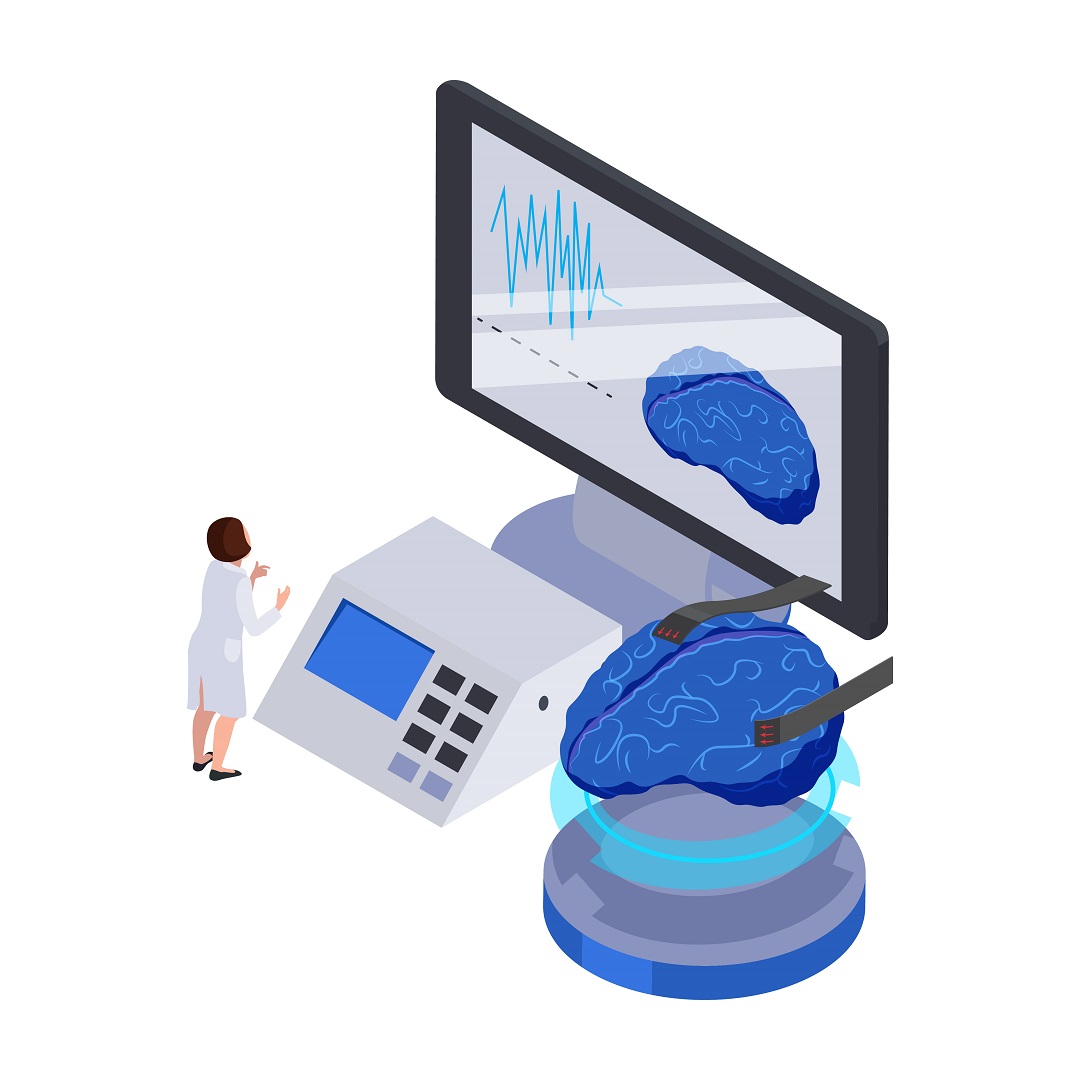
Here is a general overview of the DBS procedure:
Patient Evaluation:
Medical History and Assessment: Detailed evaluation of the patient's medical history and neurological condition. Assessment of the severity and impact of symptoms.
Diagnostic Tests: Neuroimaging studies, such as magnetic resonance imaging (MRI) or computed tomography (CT), to precisely locate the target areas in the brain.
Psychological Evaluation: Evaluation of the patient's mental health and cognitive function.
Target Selection:
Selection of Brain Targets: Identification of the specific brain regions where electrodes will be implanted based on the patient's neurological condition.
Surgery:
Frame Placement: Placement of a stereotactic frame on the patient's head to provide a stable reference during surgery.
Imaging and Targeting: Use of imaging techniques (MRI or CT) during surgery to guide the placement of electrodes accurately.
Electrode Implantation: Precise placement of thin, insulated electrodes into the predetermined brain targets.
This is often done with the patient awake to allow for real-time assessment of symptom improvement and to minimize the risk of side effects.
Neurostimulator Placement:
Implantation of Neurostimulator: A small device (neurostimulator) is implanted typically under the skin of the chest or abdomen, and it is connected to the electrodes in the brain.
Programming: Fine-tuning the settings of the neurostimulator to optimize symptom control. This involves adjusting parameters such as stimulation frequency, amplitude, and pulse width.
Postoperative Care:
Recovery: Monitoring the patient's recovery after surgery.
Follow-Up Programming: Periodic follow-up appointments to adjust the stimulation parameters based on the patient's response and any changes in symptoms.
Long-Term Management:
Regular Monitoring: Long-term monitoring of the patient's condition to ensure continued effectiveness of the treatment.
Battery Replacement: Neurostimulator batteries typically last several years, and periodic replacement may be necessary.
Rehabilitation and Support:
Rehabilitation Therapy: Physical therapy, occupational therapy, or speech therapy may be recommended to enhance the benefits of DBS.
Psychosocial Support: Supportive services to help patients and their families cope with the emotional and psychological aspects of living with a neurological condition.
India has become a popular destination for deep brain stimulation due to its world-class medical facilities, experienced surgeons, and lower costs compared to other countries. Indian hospitals have state-of-the-art technology and equipment and offer excellent healthcare services at an affordable price. Patients from around the world can benefit from the cost-effective and high-quality healthcare services offered in India.
Gomedi9 is a medical tourism company that specializes in helping patients plan and organize their medical travel to India. They provide a range of services to make the process of medical tourism hassle-free and convenient for patients.
Gomedi9 can help patients to choose the right hospital, book accommodation, arrange transportation, provide interpreters, and ensure that the patient receives the best possible medical treatment at an affordable price. They have a team of experienced professionals who guide patients throughout the process of medical tourism, from the initial consultation to post-operative care.
