

Welcome guest
Monday to Friday8AM - 9PM
AddressABC A-504, Rajnigandha Apartment, VADODARA-390007, GUJARAT, India.
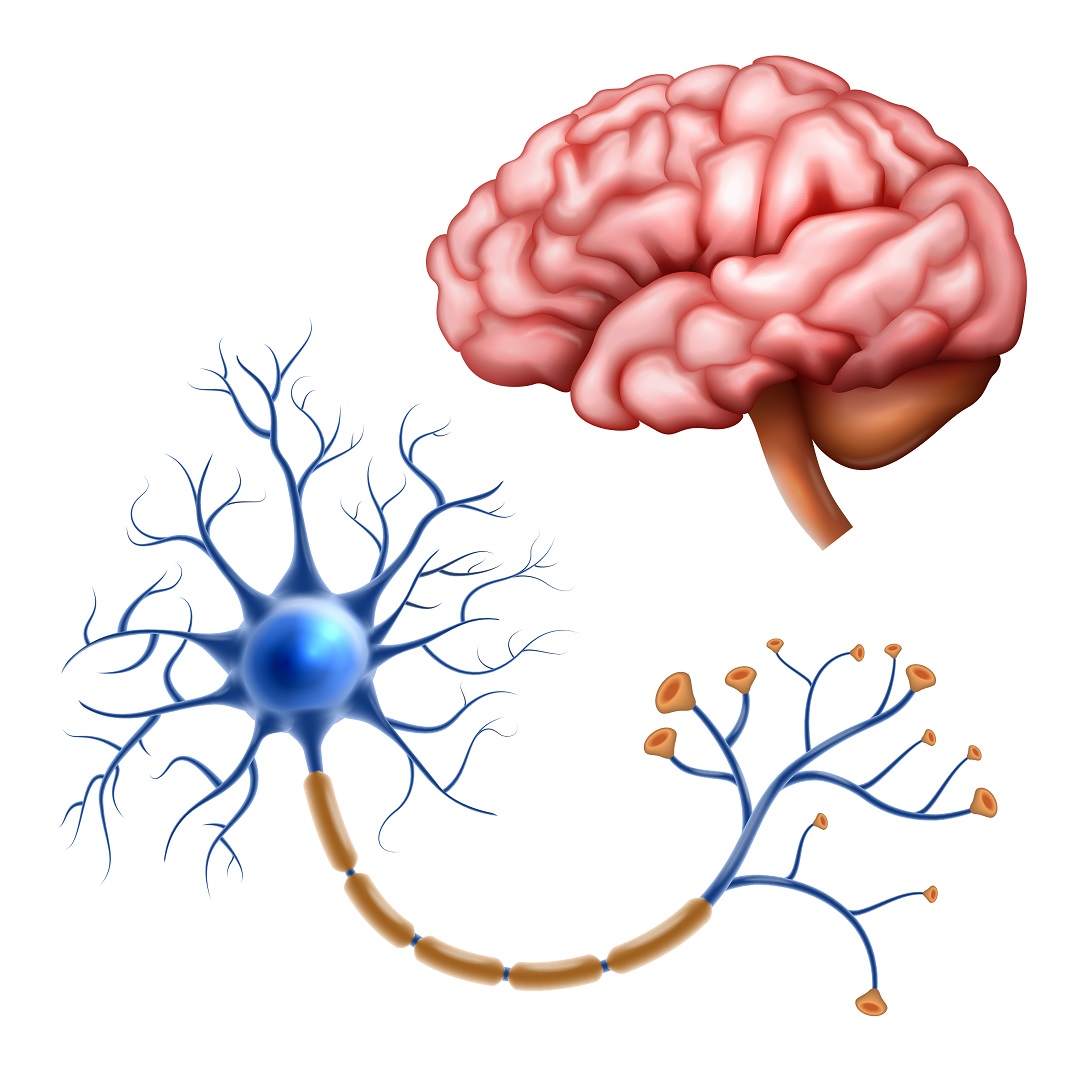
Vascular neurosurgery is focuses on the diagnosis and treatment of disorders related to the blood vessels of the brain and spinal cord.
Vascular neurosurgeryincludes conditions such as aneurysms, arteriovenous malformations (AVMs), and other vascular abnormalities that can affect the normal blood flow to the nervous system. Vascular neurosurgeons use surgical and minimally invasive techniques to manage and correct these vascular issues, aiming to prevent potential complications such as strokes or hemorrhages in the brain.
Here are some common types:
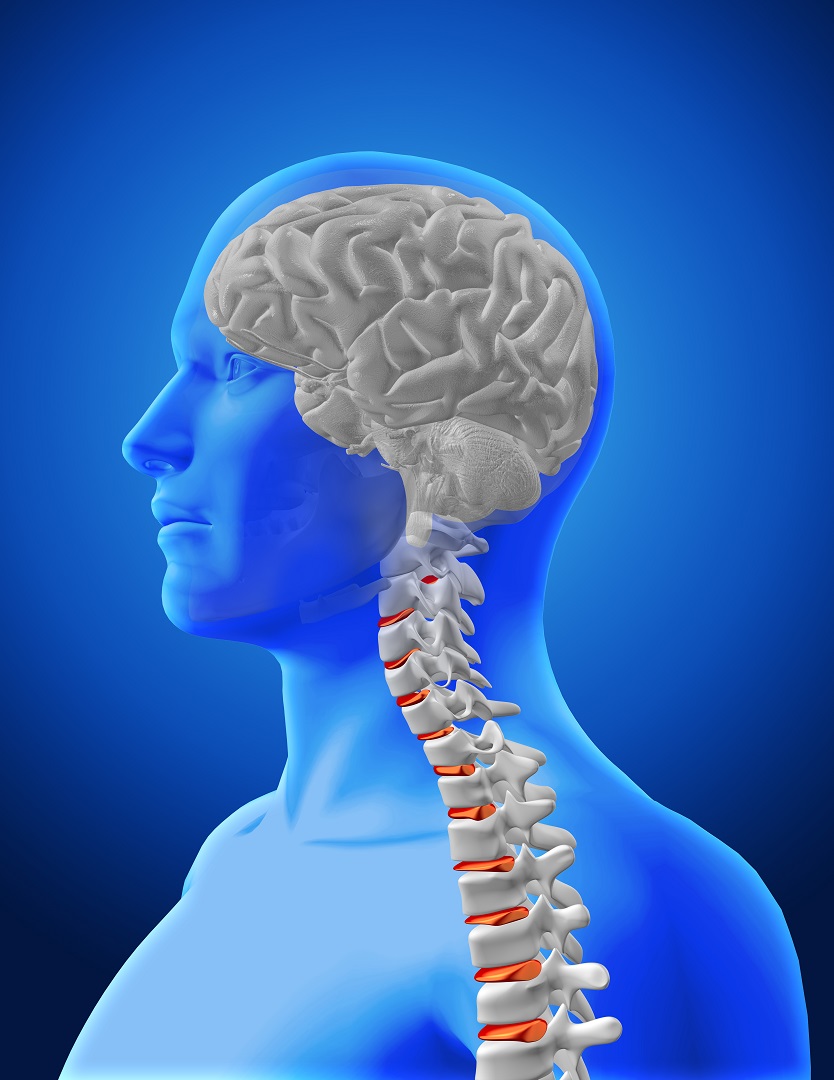
Following are the procedure steps:
Preoperative Evaluation: A thorough assessment of the patient's medical history, including any neurological symptoms. Diagnostic imaging, such as angiography, CT scans, or MRI, to visualize the vascular abnormality.
Patient Preparation: The patient is typically placed under general anesthesia. Monitoring devices are attached to track vital signs throughout the procedure.
Access to the Vascular System: Depending on the procedure, a neurosurgeon may access the vascular system through an open surgical approach or minimally invasive techniques. For endovascular procedures, a catheter may be inserted through a small incision in the groin and threaded up to the site of the vascular abnormality.
Treatment Intervention:
a. Aneurysm Clipping: Placing a metal clip around the neck of an aneurysm.
b. Endovascular Coiling: Introducing coils to block blood flow into an aneurysm.
c. AVM Treatment: Removing the AVM or using embolization to block abnormal vessels.
d. Carotid Endarterectomy: Removing plaque from the carotid artery.
e. Cerebral Bypass Surgery: Creating a bypass to reroute blood flow.
f. Thrombectomy: Removing a blood clot to restore blood flow.
g. Microvascular Decompression: Placing a cushion between the nerve and compressing blood vessel.
Closure: If an open surgical approach was used, the neurosurgeon closes the incision with sutures. For endovascular procedures, the catheter is removed, and the entry site is closed.
Postoperative Care: The patient is monitored closely in a recovery area. Neurological assessments are conducted to ensure normal brain function. Pain management and other postoperative care measures are implemented.
Follow-Up: Patients typically undergo follow-up imaging and appointments to assess the success of the procedure and monitor for any complications.
India has become a popular destination for Vascular Neurosurgery due to its world-class medical facilities, experienced surgeons, and lower costs compared to other countries. Indian hospitals have state-of-the-art technology and equipment and offer excellent healthcare services at an affordable price. Patients from around the world can benefit from the cost-effective and high-quality healthcare services offered in India.
Gomedi9 is a medical tourism company that specializes in helping patients plan and organize their medical travel to India. They provide a range of services to make the process of medical tourism hassle-free and convenient for patients.
Gomedi9 can help patients to choose the right hospital, book accommodation, arrange transportation, provide interpreters, and ensure that the patient receives the best possible medical treatment at an affordable price. They have a team of experienced professionals who guide patients throughout the process of medical tourism, from the initial consultation to post-operative care.
