

Welcome guest
Monday to Friday8AM - 9PM
AddressABC A-504, Rajnigandha Apartment, VADODARA-390007, GUJARAT, India.
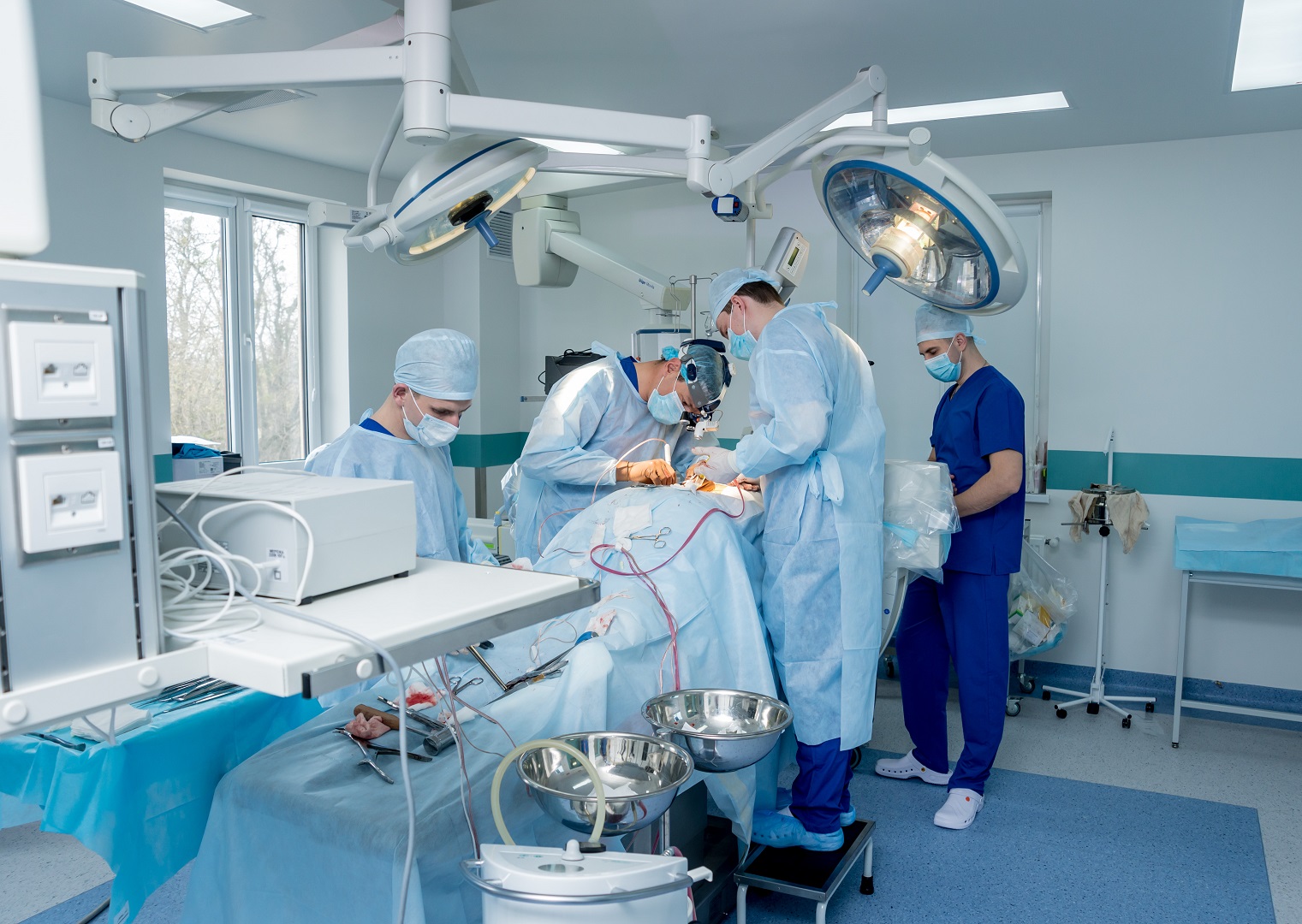
Laminectomy is a surgical procedure that involves the removal of a part of the vertebral bone called the lamina.
Laminectomy is often performed to relieve pressure on the spinal cord or nerves caused by conditions such as spinal stenosis, herniated discs, tumors, or other spinal abnormalities.
Here are some types of laminectomy procedures:
Below is a general overview of the steps involved in a laminectomy:
Patient Positioning: The patient is typically positioned face down on the operating table. The surgical team ensures proper padding and positioning to provide access to the targeted area of the spine.
Anesthesia: General anesthesia is administered to ensure that the patient is unconscious and pain-free throughout the surgery.
Incision: The surgeon makes an incision over the affected area of the spine. The size and location of the incision depend on the specific details of the surgery.
Soft Tissue Dissection: The surgeon carefully moves aside muscles and other soft tissues to access the spine. This step is important to expose the lamina and other structures of the spine.
Lamina Removal: For a laminectomy, the surgeon removes a portion of the lamina. The extent of the removal depends on the nature and location of the spinal condition. This step creates more space in the spinal canal to relieve pressure on the spinal cord or nerves.
Nerve Decompression: If the surgery is addressing nerve compression, the surgeon may also perform additional procedures, such as foraminotomy (enlargement of the neural foramen) to ensure adequate decompression of the spinal nerves.
Tumor or Disc Removal (if applicable): If the laminectomy is performed to address a tumor or herniated disc, the surgeon may also remove or address these specific issues during the procedure.
Closure: After the necessary decompression and adjustments are made, the surgeon carefully closes the incision using sutures or staples. Sometimes, a drain may be placed to prevent the accumulation of excess fluids at the surgical site.
Postoperative Care: The patient is taken to the recovery room and monitored closely as they wake up from anesthesia. Pain management and other postoperative care measures are initiated.
India has become a popular destination for Laminectomy due to its world-class medical facilities, experienced surgeons, and lower costs compared to other countries. Indian hospitals have state-of-the-art technology and equipment and offer excellent healthcare services at an affordable price. Patients from around the world can benefit from the cost-effective and high-quality healthcare services offered in India.
Gomedi9 is a medical tourism company that specializes in helping patients plan and organize their medical travel to India. They provide a range of services to make the process of medical tourism hassle-free and convenient for patients.
Gomedi9 can help patients to choose the right hospital, book accommodation, arrange transportation, provide interpreters, and ensure that the patient receives the best possible medical treatment at an affordable price. They have a team of experienced professionals who guide patients throughout the process of medical tourism, from the initial consultation to post-operative care.
