

Welcome guest
Monday to Friday8AM - 9PM
AddressABC A-504, Rajnigandha Apartment, VADODARA-390007, GUJARAT, India.
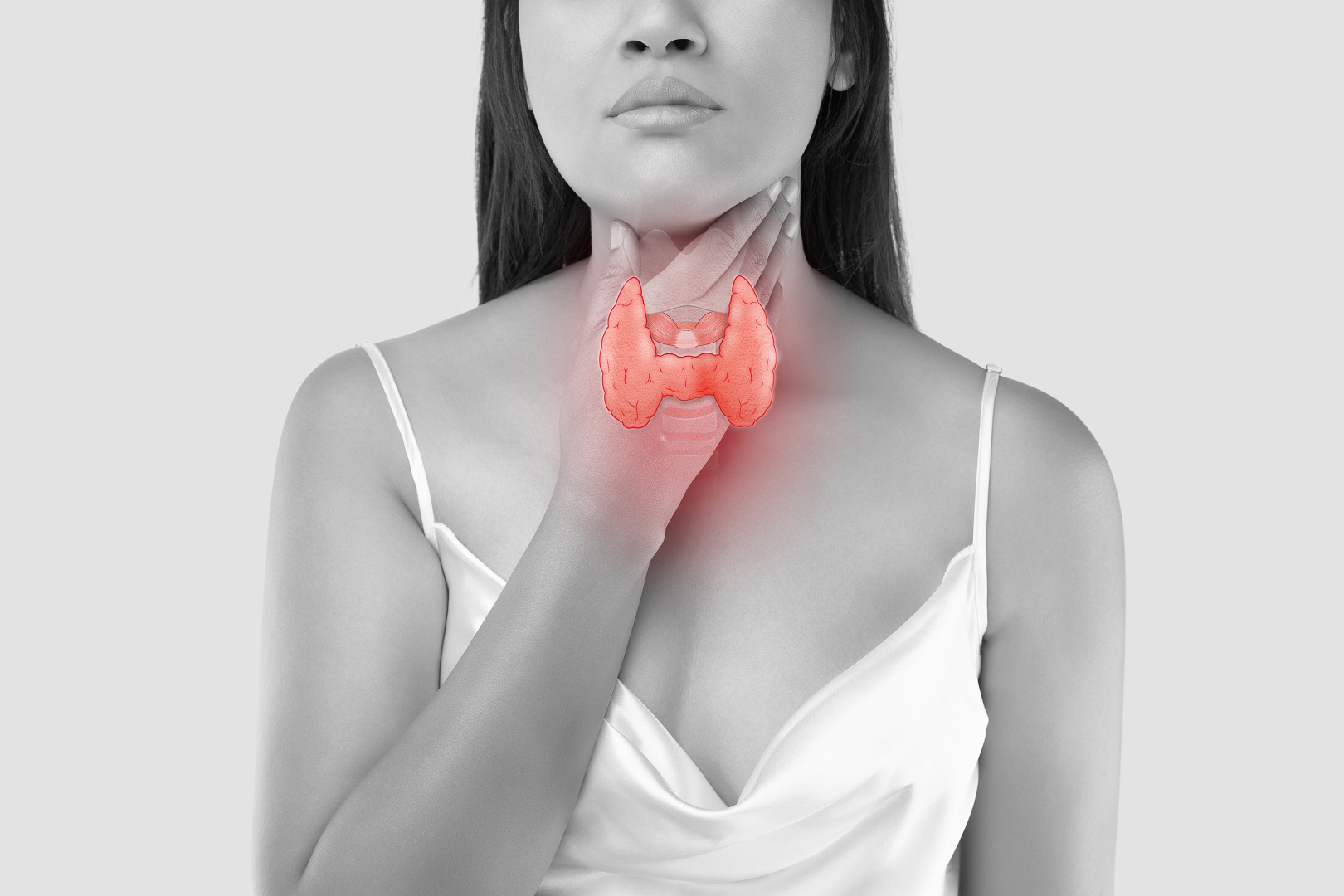
Thyroidectomy is a surgical procedure in which part or all of the thyroid gland is removed.
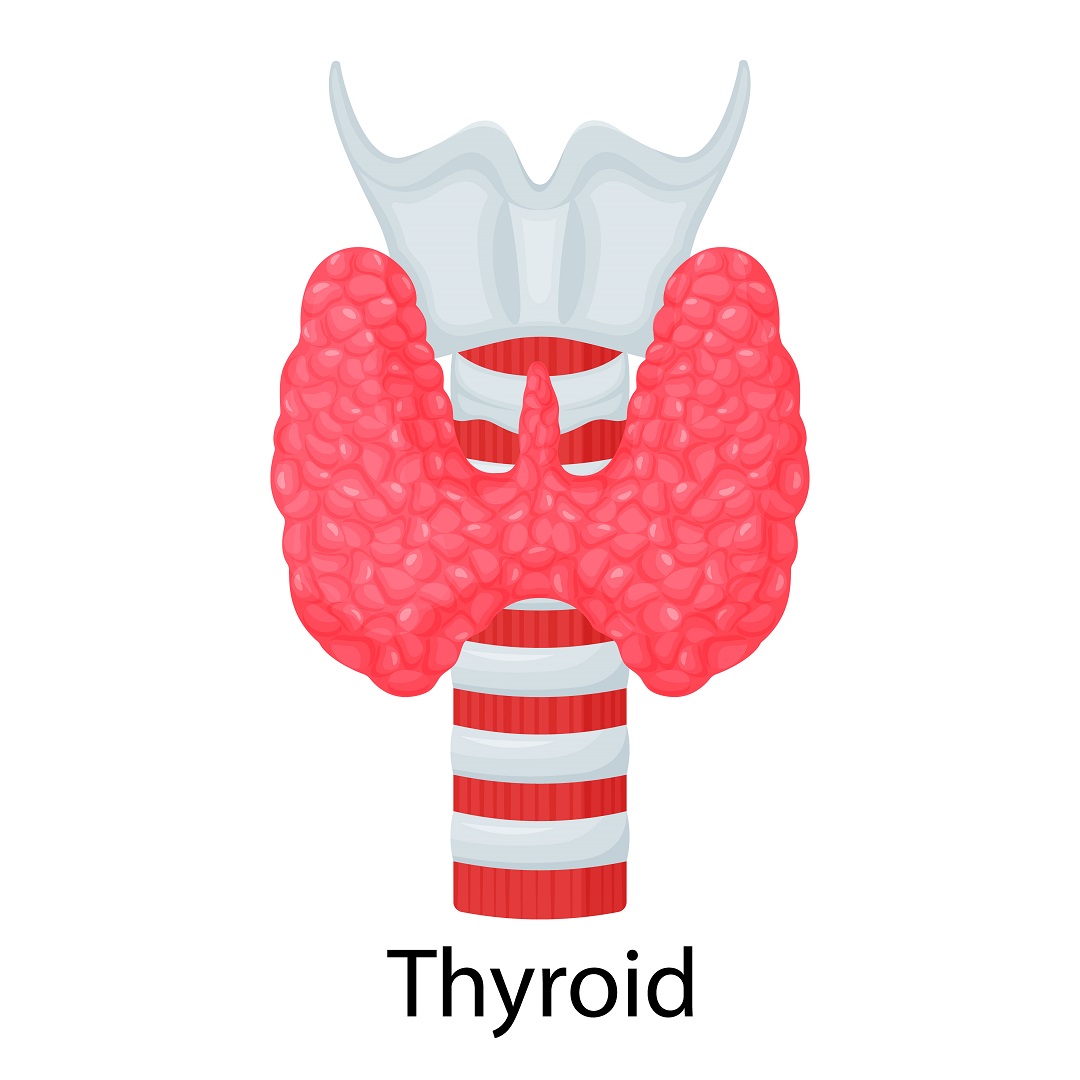
The thyroid gland is located in the neck and plays a crucial role in regulating metabolism and producing hormones that are essential for various bodily functions. Thyroidectomy is typically performed for various medical reasons, including the treatment of thyroid disorders such as thyroid cancer, hyperthyroidism, goiter (enlarged thyroid), or the removal of suspicious thyroid nodules.
The main types of thyroidectomy are as follows:
Following are the procedure steps:
Preoperative Preparation: The patient undergoes preoperative evaluation, including blood tests and imaging studies to assess the thyroid gland's size and condition. Anesthesia is administered to the patient, typically general anesthesia, to ensure they are unconscious and pain-free during the procedure.
Incision: A horizontal or transverse incision is made in the lower part of the neck, typically along the natural skin creases to minimize scarring. The length and location of the incision may vary based on the type of thyroidectomy and the patient's anatomy.
Exposure: The surgeon carefully dissects the tissues in the neck to expose the thyroid gland and surrounding structures. Special care is taken to identify and preserve nearby structures like the parathyroid glands and recurrent laryngeal nerves to maintain calcium and vocal cord function.
Ligation of Blood Vessels: Blood vessels that supply the thyroid gland are identified and tied off to control bleeding.
Thyroid Gland Removal: Depending on the type of thyroidectomy (total, subtotal, lobectomy, etc.), the surgeon removes the appropriate portion of the thyroid gland. In a total thyroidectomy, the entire thyroid gland is removed. In a subtotal or lobectomy, only part of the thyroid gland is removed.
Hemostasis: The surgeon ensures that there is no bleeding from the surgical site and uses electrocautery or other techniques to achieve hemostasis (control of bleeding).
Closure: The incision is closed using sutures or staples, and a sterile dressing is applied to the wound.
Drains (if necessary): In some cases, a small drain may be placed in the surgical area to collect any postoperative fluids or blood.
Postoperative Care: The patient is monitored as they wake up from anesthesia in the recovery room. Postoperative care may include pain management, monitoring for signs of complications, and assessing vocal cord function.
Recovery: Most patients can go home the day after a thyroidectomy, depending on the extent of surgery and their overall health.
India has become a popular destination for Thyroidectomy due to its world-class medical facilities, experienced surgeons, and lower costs compared to other countries. Indian hospitals have state-of-the-art technology and equipment and offer excellent healthcare services at an affordable price. Patients from around the world can benefit from the cost-effective and high-quality healthcare services offered in India.
Gomedi9 is a medical tourism company that specializes in helping patients plan and organize their medical travel to India. They provide a range of services to make the process of medical tourism hassle-free and convenient for patients.
Gomedi9 can help patients to choose the right hospital, book accommodation, arrange transportation, provide interpreters, and ensure that the patient receives the best possible medical treatment at an affordable price. They have a team of experienced professionals who guide patients throughout the process of medical tourism, from the initial consultation to post-operative care.
