

Welcome guest
Monday to Friday8AM - 9PM
AddressABC A-504, Rajnigandha Apartment, VADODARA-390007, GUJARAT, India.
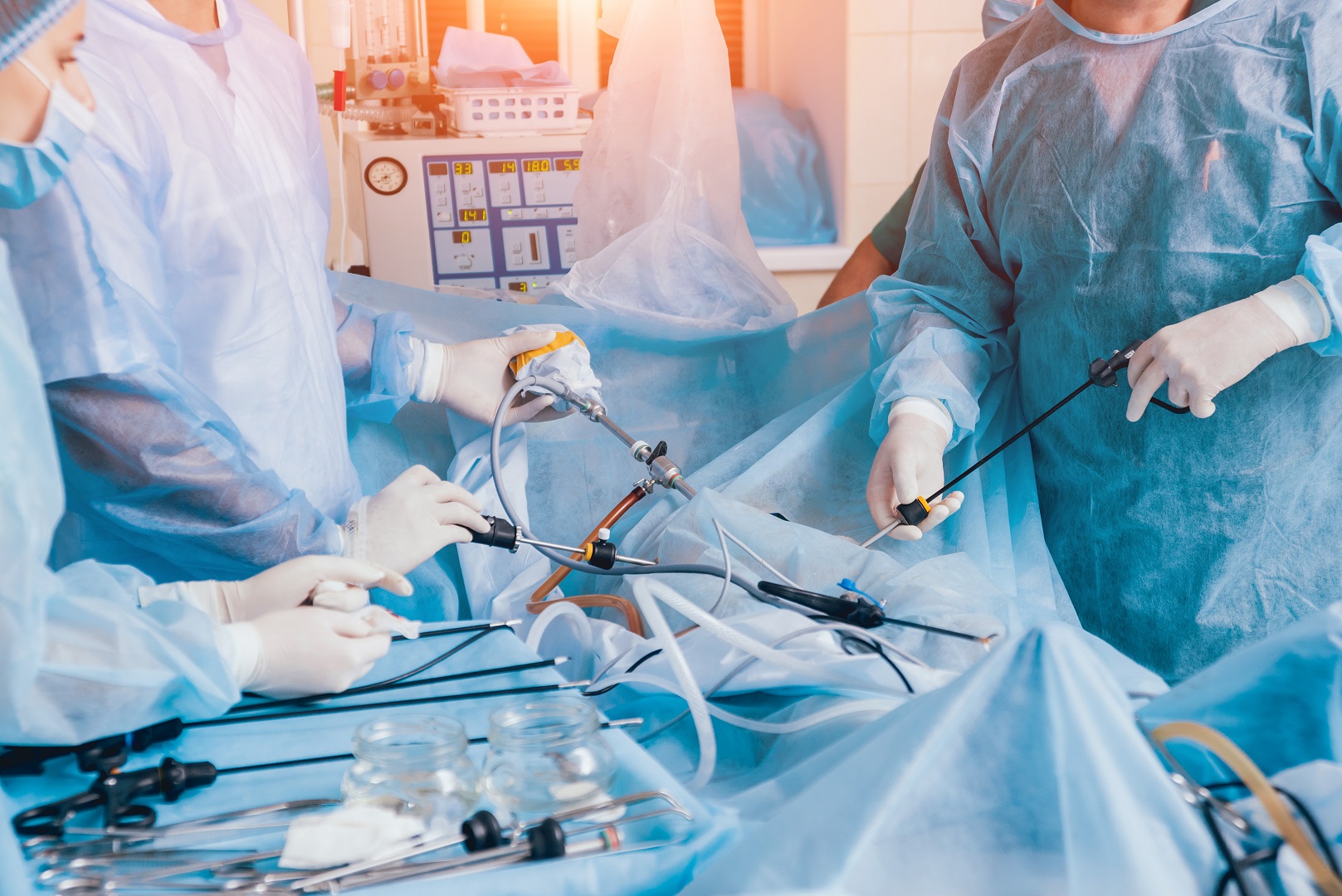
Laparoscopic surgery is a modern surgical technique in which operations are performed through small incisions using specialized instruments and a camera.
Laparoscopic surgery is used for a wide range of surgical procedures, including gallbladder removal, appendectomy, hernia repair, and many other abdominal and pelvic surgeries.
Some common types of laparoscopic surgery include:
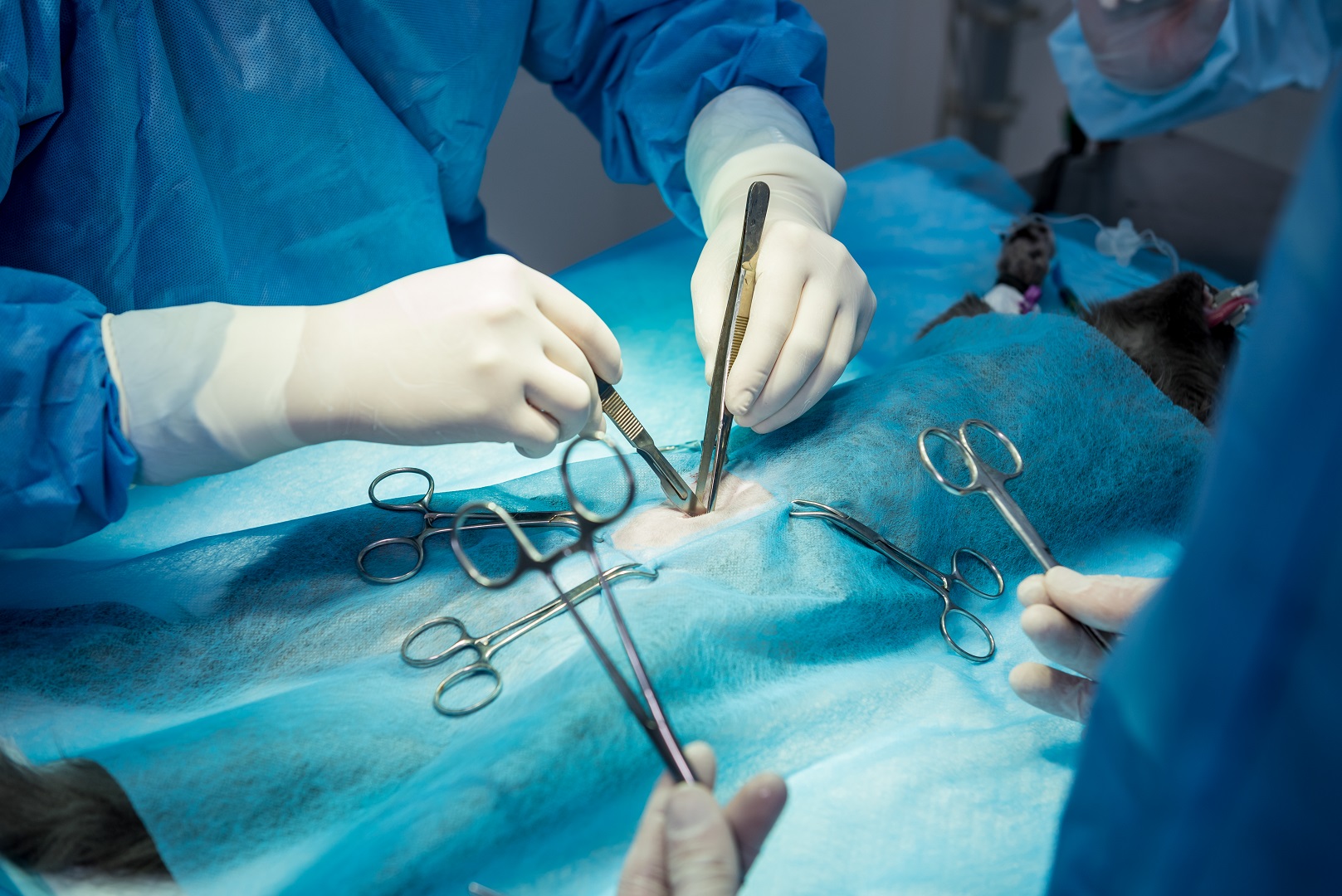
Here's an overview of the typical process for a laparoscopic surgical procedure:
Preoperative Preparation:
a. Patient Evaluation: The patient undergoes a thorough evaluation, including medical history, physical examination, and any necessary preoperative tests like blood work or imaging studies.
b. Informed Consent: The surgeon explains the procedure, its risks, benefits, and alternatives to the patient. Informed consent is obtained from the patient before surgery.
Anesthesia: The patient is administered anesthesia to ensure they are unconscious and pain-free during the procedure. General anesthesia is commonly used, although in some cases, local or regional anesthesia may be employed.
Patient Positioning: The patient is positioned on the operating table, and the area to be operated on is exposed and cleaned to maintain a sterile environment.
Trocar Placement: Small incisions are made in the abdominal or pelvic area, depending on the type of surgery. Trocars are inserted through these incisions to provide access for the laparoscope and surgical instruments.
Creation of Pneumoperitoneum: Carbon dioxide gas is introduced into the abdominal cavity through one of the trocars. This inflates the abdominal area, creating a working space for the surgeon.
Laparoscope Insertion: A laparoscope, a thin, long tube with a camera and a light source, is inserted through one of the trocars. It allows the surgeon to view the internal organs on a monitor.
Surgical Instrument Insertion: Specialized laparoscopic instruments, such as graspers, scissors, and cautery devices, are inserted through the remaining trocars to perform the surgery.
Surgical Procedure: The surgeon performs the necessary surgical steps while watching the live video feed from the laparoscope on a monitor. The instruments are manipulated with precision to complete the procedure, such as removing an organ, repairing tissues, or performing other necessary tasks.
Closure and Removal of Trocars: Once the surgical procedure is complete, the instruments and trocars are removed, and any bleeding is controlled. The small incisions may be closed with sutures or surgical glue, or sometimes left to heal naturally without sutures, depending on the surgeon's preference and the type of procedure.
Postoperative Care: The patient is carefully monitored in the recovery area as they wake up from anesthesia. The patient may be discharged the same day or after a short hospital stay, depending on the complexity of the procedure and their overall health.
India has become a popular destination for Laparoscopic Surgery due to its world-class medical facilities, experienced surgeons, and lower costs compared to other countries. Indian hospitals have state-of-the-art technology and equipment and offer excellent healthcare services at an affordable price. Patients from around the world can benefit from the cost-effective and high-quality healthcare services offered in India.
Gomedi9 is a medical tourism company that specializes in helping patients plan and organize their medical travel to India. They provide a range of services to make the process of medical tourism hassle-free and convenient for patients.
Gomedi9 can help patients to choose the right hospital, book accommodation, arrange transportation, provide interpreters, and ensure that the patient receives the best possible medical treatment at an affordable price. They have a team of experienced professionals who guide patients throughout the process of medical tourism, from the initial consultation to post-operative care.
