

Welcome guest
Monday to Friday8AM - 9PM
AddressABC A-504, Rajnigandha Apartment, VADODARA-390007, GUJARAT, India.
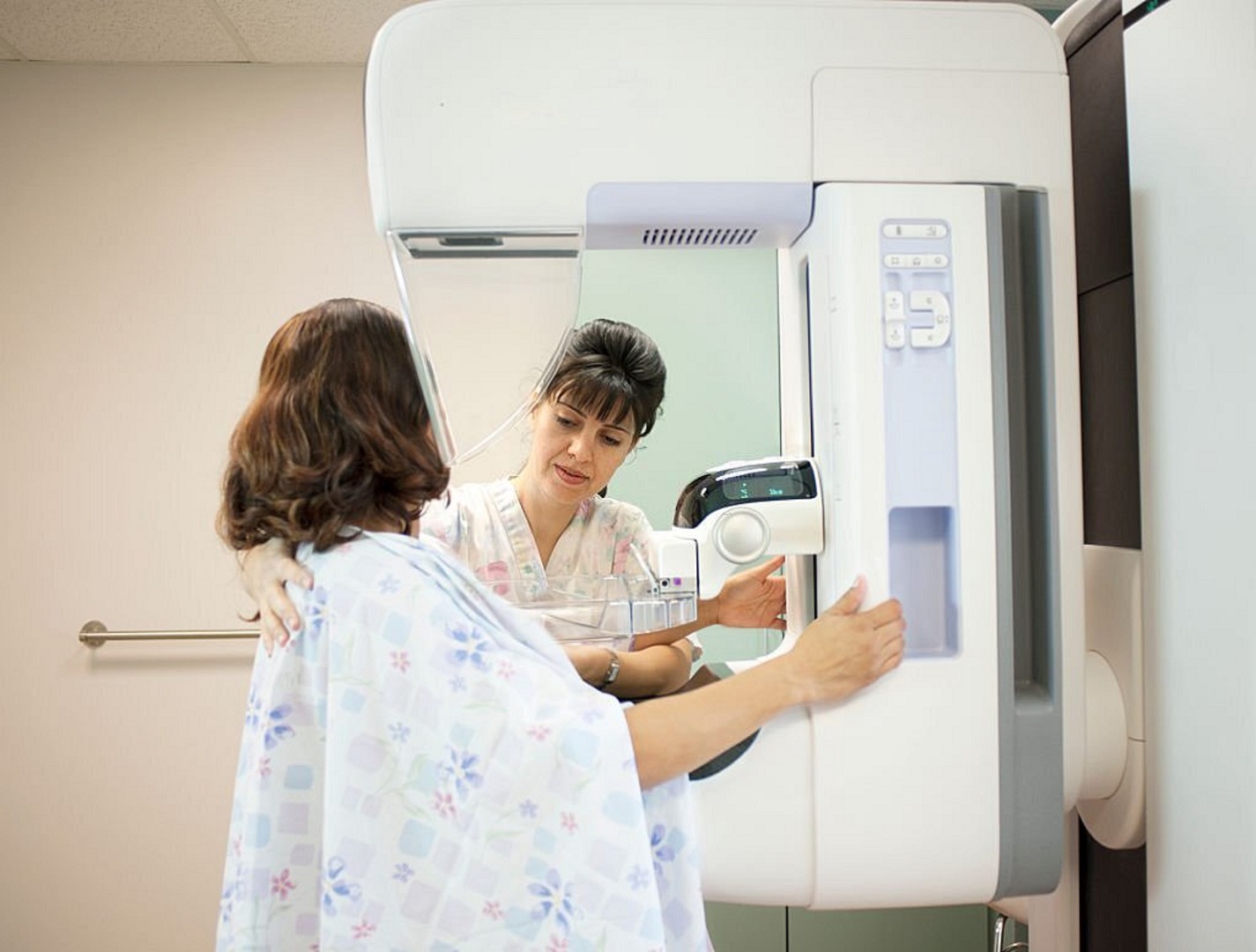
A mastectomy is a surgical procedure in which one or both breasts are removed, typically to treat or prevent breast cancer.
There are several types of mastectomy procedures, each with different levels of breast tissue removal and potential impact on a person's appearance. The choice of mastectomy type depends on factors such as the stage of breast cancer, the patient's overall health, and their personal preferences.
Here are some common types of mastectomy:
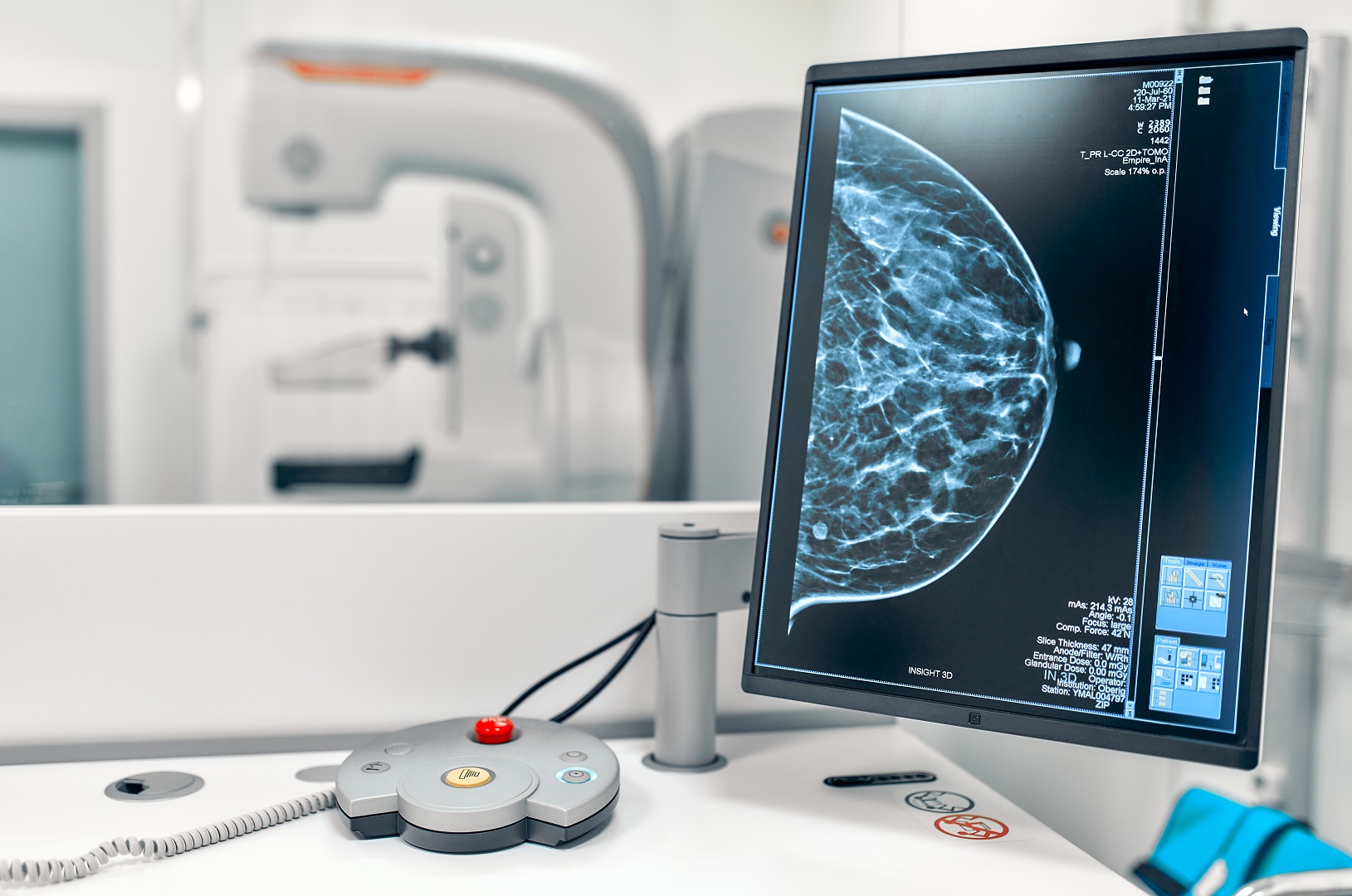
Here is a general overview of the procedure:
Preparation:
a. Pre-operative assessment: The patient undergoes a thorough pre-operative evaluation, which may include imaging studies (such as mammograms or breast MRI) and blood tests.
b. Anesthesia: The patient is typically given general anesthesia to ensure they are unconscious and pain-free during the surgery.
Incision: The surgeon makes an incision on the breast based on the type of mastectomy planned. The location and length of the incision depend on whether it is a simple mastectomy, skin-sparing mastectomy, nipple-sparing mastectomy, or other types.
Breast Tissue Removal: The surgeon carefully removes breast tissue, which may include the breast glandular tissue, fatty tissue, and, in some cases, the nipple and areola, depending on the type of mastectomy.
Lymph Node Evaluation: In some cases, the surgeon may remove nearby lymph nodes to check for the spread of cancer. This is often done in conjunction with axillary lymph node dissection or sentinel lymph node biopsy.
Wound Closure: After removing the breast tissue, the surgeon carefully closes the incisions with sutures or staples.
Drain Placement: Drain tubes may be inserted under the skin to collect any excess fluids that may accumulate in the surgical site. These drains help prevent fluid buildup and promote healing.
Possible Breast Reconstruction: If the patient desires breast reconstruction, this can be done during the same surgery or in a separate procedure at a later date. Reconstruction techniques can vary and may involve implants, tissue from other parts of the body, or a combination of methods.
Dressing and Bandaging: The surgical area is dressed, and bandages are applied to protect the incisions and help with healing.
Recovery: The patient is monitored in the recovery room and may remain in the hospital for a few days, depending on the extent of the surgery and their overall health. Pain management and wound care instructions are provided. The patient may be given antibiotics to prevent infection and medications to manage pain and discomfort.
India has become a popular destination for Mastectomy due to its world-class medical facilities, experienced surgeons, and lower costs compared to other countries. Indian hospitals have state-of-the-art technology and equipment and offer excellent healthcare services at an affordable price. Patients from around the world can benefit from the cost-effective and high-quality healthcare services offered in India.
Gomedi9 is a medical tourism company that specializes in helping patients plan and organize their medical travel to India. They provide a range of services to make the process of medical tourism hassle-free and convenient for patients.
Gomedi9 can help patients to choose the right hospital, book accommodation, arrange transportation, provide interpreters, and ensure that the patient receives the best possible medical treatment at an affordable price. They have a team of experienced professionals who guide patients throughout the process of medical tourism, from the initial consultation to post-operative care.
