

Welcome guest
Monday to Friday8AM - 9PM
AddressABC A-504, Rajnigandha Apartment, VADODARA-390007, GUJARAT, India.

A lung biopsy is a medical procedure in which a small sample of tissue is removed from the lung for further examination.
There are several types of lung biopsy procedures, each with its own method of obtaining a tissue sample from the lung. The choice of the appropriate type of lung biopsy depends on the patient's specific condition and the location of the abnormal tissue.
The main types of lung biopsy procedures include:
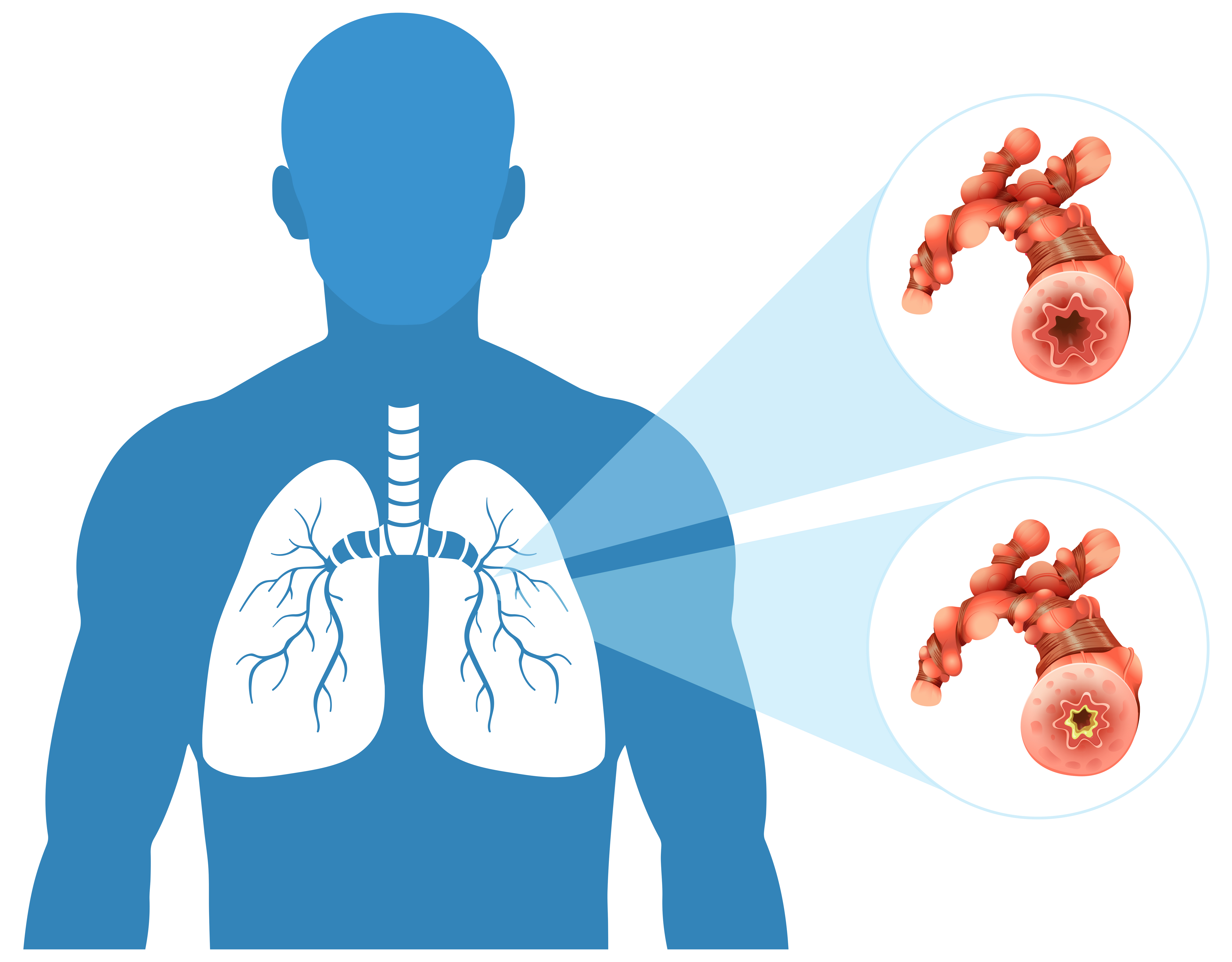
Following are the procedure steps:
Preparation: Before the biopsy, you will typically have a pre-procedure evaluation, including a review of your medical history and any relevant imaging studies to determine the best approach and location for the biopsy. You may also undergo blood tests and provide informed consent for the procedure.
Patient Positioning: You will be asked to lie down on an examination table, and your healthcare provider will position you to access the target area of the lung using imaging guidance, such as CT or ultrasound.
Local Anesthesia: The skin and the tissues overlying the target area of the lung will be numbed with a local anesthetic to minimize discomfort during the procedure.
Needle Insertion: A thin, hollow biopsy needle will be inserted through your skin and into the lung tissue. The insertion site is typically between the ribs, and your provider will use imaging guidance to ensure proper placement of the needle.
Tissue Sample Collection: Once the needle is in the desired location, your healthcare provider will use the needle to obtain one or more tissue samples. Different types of needles can be used, such as fine-needle aspiration or core biopsy needles, depending on the specific goals of the biopsy.
Sample Retrieval: The tissue samples are withdrawn into the needle, and the needle is then removed from the lung. The samples are typically placed in a sterile container and sent to a laboratory for analysis.
Post-Biopsy Imaging: After the biopsy, imaging (e.g., CT scan) may be performed to confirm that the procedure was successful and to check for any complications, such as pneumothorax (collapsed lung).
Recovery and Observation: After the procedure, you will be observed for a period to monitor for any immediate complications, such as bleeding or breathing difficulties. In some cases, you may be observed for several hours in a recovery area.
Post-Biopsy Care: Your healthcare provider will provide instructions for post-biopsy care, which may include restrictions on physical activity and monitoring for any potential complications in the days following the procedure.
India has become a popular destination for Lung Biopsy due to its world-class medical facilities, experienced surgeons, and lower costs compared to other countries. Indian hospitals have state-of-the-art technology and equipment and offer excellent healthcare services at an affordable price. Patients from around the world can benefit from the cost-effective and high-quality healthcare services offered in India.
Gomedi9 is a medical tourism company that specializes in helping patients plan and organize their medical travel to India. They provide a range of services to make the process of medical tourism hassle-free and convenient for patients.
Gomedi9 can help patients to choose the right hospital, book accommodation, arrange transportation, provide interpreters, and ensure that the patient receives the best possible medical treatment at an affordable price. They have a team of experienced professionals who guide patients throughout the process of medical tourism, from the initial consultation to post-operative care.
