

Welcome guest
Monday to Friday8AM - 9PM
AddressABC A-504, Rajnigandha Apartment, VADODARA-390007, GUJARAT, India.
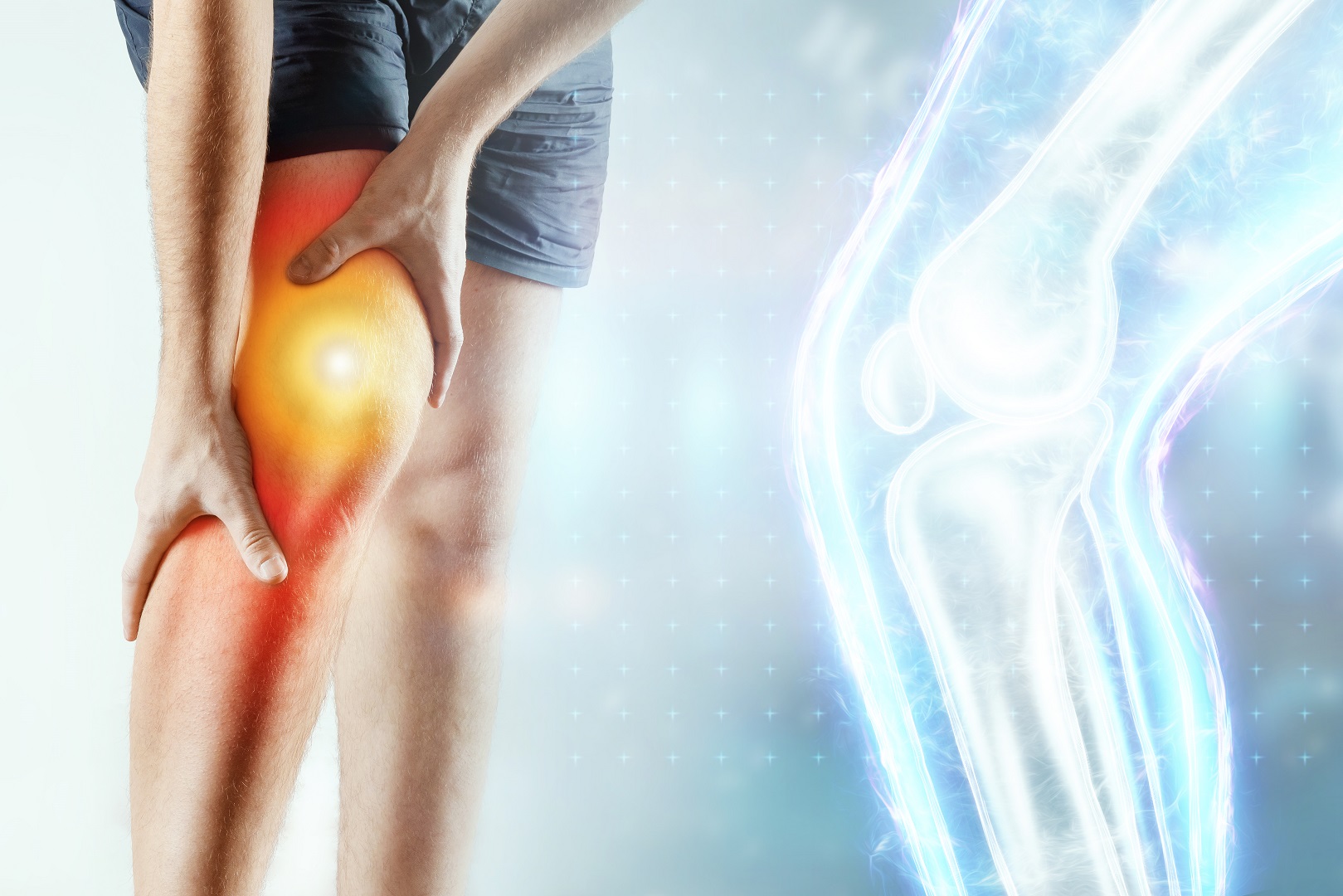
A torn meniscus refers to a common knee injury that involves damage to one or both of the menisci in the knee joint.
The menisci are C-shaped wedges of cartilage located between the femur (thigh bone) and the tibia (shin bone) in the knee. These cartilaginous structures act as shock absorbers and help stabilize the knee joint by distributing weight and reducing friction between the two major leg bones.
The most common types of torn meniscus include:
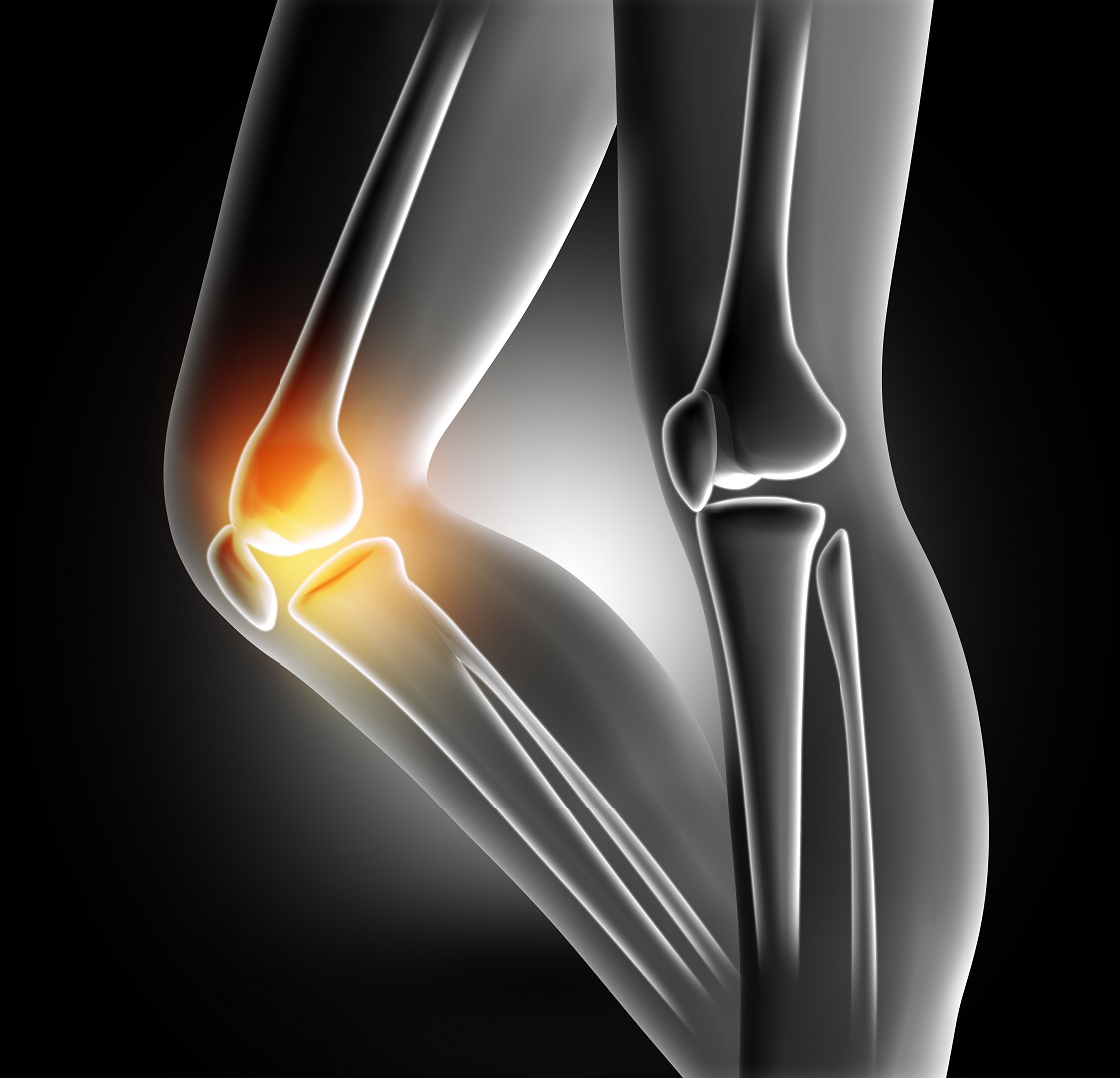
There are two primary surgical procedures used to address a torn meniscus:
Arthroscopic Meniscus Repair:
a. Arthroscopic surgery is a minimally invasive procedure that involves the use of a small, thin, flexible tube with a camera (arthroscope) and specialized instruments to access and repair the torn meniscus. It is often the preferred approach for repairing certain types of meniscus tears, particularly those located in the red-red zone (the outer edge with a good blood supply).
b. The surgeon will make small incisions around the knee to insert the arthroscope and other instruments.
c. Depending on the nature of the tear, the surgeon may perform one of the following techniques:
i. Meniscus Repair: In cases where the tear is repairable, the surgeon may use sutures, anchors, or other fixation devices to sew the torn edges of the meniscus together, allowing it to heal naturally. This is the preferred option for preserving as much of the meniscus as possible.
ii. Meniscectomy: If the tear is not repairable or is in a location with limited blood supply, the surgeon may trim and remove the damaged part of the meniscus. This is called a partial meniscectomy. The goal is to alleviate symptoms and maintain the functionality of the knee.
Partial Meniscectomy:
a. A partial meniscectomy is a surgical procedure where the surgeon removes the torn or damaged portion of the meniscus while preserving as much healthy tissue as possible.
b. This procedure is typically recommended for tears that are not amenable to repair, such as complex tears or tears in the white-white zone (the inner edge with poor blood supply).
c. It is a relatively quick procedure and can often be performed using arthroscopic techniques.
India has become a popular destination for Torn Meniscus due to its world-class medical facilities, experienced surgeons, and lower costs compared to other countries. Indian hospitals have state-of-the-art technology and equipment and offer excellent healthcare services at an affordable price. Patients from around the world can benefit from the cost-effective and high-quality healthcare services offered in India.
Gomedi9 is a medical tourism company that specializes in helping patients plan and organize their medical travel to India. They provide a range of services to make the process of medical tourism hassle-free and convenient for patients.
Gomedi9 can help patients to choose the right hospital, book accommodation, arrange transportation, provide interpreters, and ensure that the patient receives the best possible medical treatment at an affordable price. They have a team of experienced professionals who guide patients throughout the process of medical tourism, from the initial consultation to post-operative care.
