

Welcome guest
Monday to Friday8AM - 9PM
AddressABC A-504, Rajnigandha Apartment, VADODARA-390007, GUJARAT, India.
Cardiac electrophysiology is a specialized branch of cardiology that focuses on the study of the electrical activities of the heart.
Cardiac electrophysiology encompasses various types of studies, procedures, and techniques aimed at understanding and managing the electrical activities of the heart.
Here are some of the key types of cardiac electrophysiology:
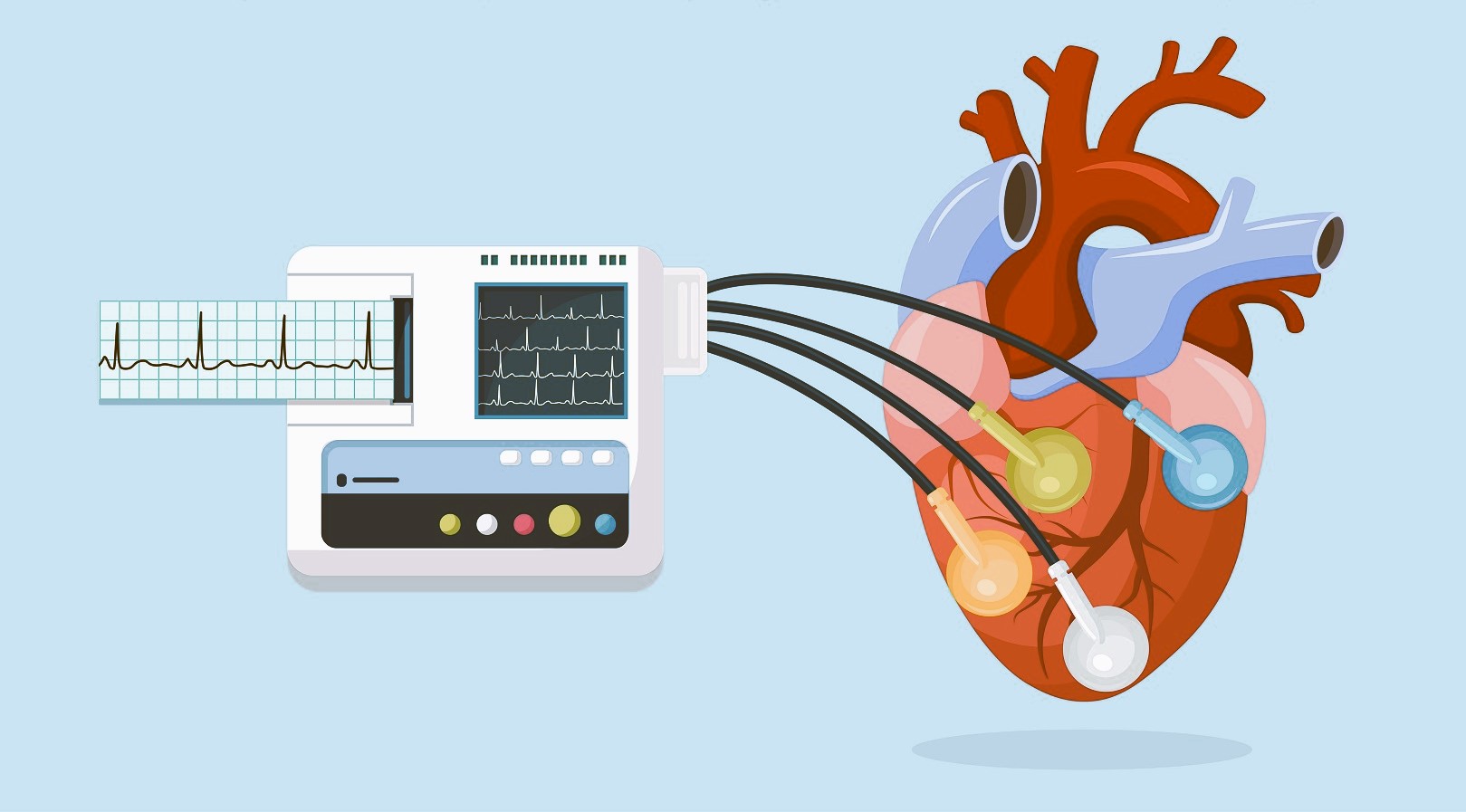
Here's a general overview of the steps involved in a typical cardiac electrophysiology procedure:
Patient Preparation: The patient is informed about the procedure, its risks, and benefits, and any necessary consents are obtained. The patient may be asked to refrain from eating or drinking for a specified period before the procedure. Medications may be adjusted or temporarily discontinued as per the cardiologist's recommendations.
Informed Consent: The patient provides informed consent after receiving a detailed explanation of the procedure, including potential risks and complications.
Pre-Procedure Evaluation: Vital signs, including blood pressure, heart rate, and oxygen saturation, are monitored. An intravenous line is inserted to administer medications and fluids during the procedure. The patient is typically given a sedative to help relax and reduce anxiety.
Local Anesthesia: The area where catheters will be inserted is cleaned and numbed with a local anesthetic to minimize discomfort.
Catheter Insertion: Thin, flexible catheters with electrode tips are inserted through the blood vessels into the heart. The number and location of catheters depend on the specific procedure and the arrhythmia being studied. Imaging techniques like fluoroscopy or intracardiac echocardiography may be used to guide the placement of catheters.
Electrophysiology Study (EPS): Once the catheters are in position, the electrophysiology study begins. Electrical signals from the heart are recorded and analyzed to identify arrhythmias and their origins. Programmed electrical stimulation may be used to provoke arrhythmias for diagnostic purposes.
Arrhythmia Mapping: The electrophysiologist creates a detailed map of the heart's electrical activity to pinpoint the source of the arrhythmia.
Catheter Ablation: If an arrhythmia source is identified, catheter ablation may be performed to eliminate or modify the tissue responsible for the abnormal electrical signals. Energy (such as radiofrequency or cryotherapy) is delivered through the catheter to achieve this.
Testing and Evaluation: The effectiveness of the ablation or other interventions is assessed by monitoring the heart's response and checking for any remaining arrhythmias.
Device Implantation: If a pacemaker, implantable cardioverter-defibrillator (ICD), or cardiac resynchronization therapy (CRT) device is needed, it may be implanted during the same procedure.
Closure of Access Sites: After the procedure, the catheters are removed, and the access sites are either closed with sutures or sealed with specialized devices.
Recovery and Monitoring: The patient is monitored in a recovery area for a period to ensure stability. Vital signs are closely observed. Patients are typically advised to lie flat and avoid bending their legs at the hip for a specified time to prevent bleeding at the catheter insertion site.
Patients may be discharged the same day or kept overnight for observation, depending on the complexity of the procedure.
The specific details of the procedure may vary based on the patient's condition.
India has become a popular destination for Cardiac Electrophysiology due to its world-class medical facilities, experienced surgeons, and lower costs compared to other countries. Indian hospitals have state-of-the-art technology and equipment and offer excellent healthcare services at an affordable price. Patients from around the world can benefit from the cost-effective and high-quality healthcare services offered in India.
Gomedi9 is a medical tourism company that specializes in helping patients plan and organize their medical travel to India. They provide a range of services to make the process of medical tourism hassle-free and convenient for patients.
Gomedi9 can help patients to choose the right hospital, book accommodation, arrange transportation, provide interpreters, and ensure that the patient receives the best possible medical treatment at an affordable price. They have a team of experienced professionals who guide patients throughout the process of medical tourism, from the initial consultation to post-operative care.
