

Welcome guest
Monday to Friday8AM - 9PM
AddressABC A-504, Rajnigandha Apartment, VADODARA-390007, GUJARAT, India.

Cardiac atherectomy surgery is a medical procedure performed to remove atherosclerotic plaque buildup within the coronary arteries.
Cardiac atherectomy is a medical procedure used to treat coronary artery disease (CAD) by removing or reducing the buildup of atherosclerotic plaque in the arteries that supply blood to the heart i.e., coronary arteries. Atherosclerosis is a condition characterized by the narrowing of the coronary arteries due to the accumulation of fatty deposits, calcium, and other substances on the artery walls, leading to reduced blood flow to the heart muscle. This narrowing can reduce blood flow to the heart muscle and increase the risk of heart attacks and other cardiovascular complications.
There are types of Cardiac Atherectomy Surgery including:
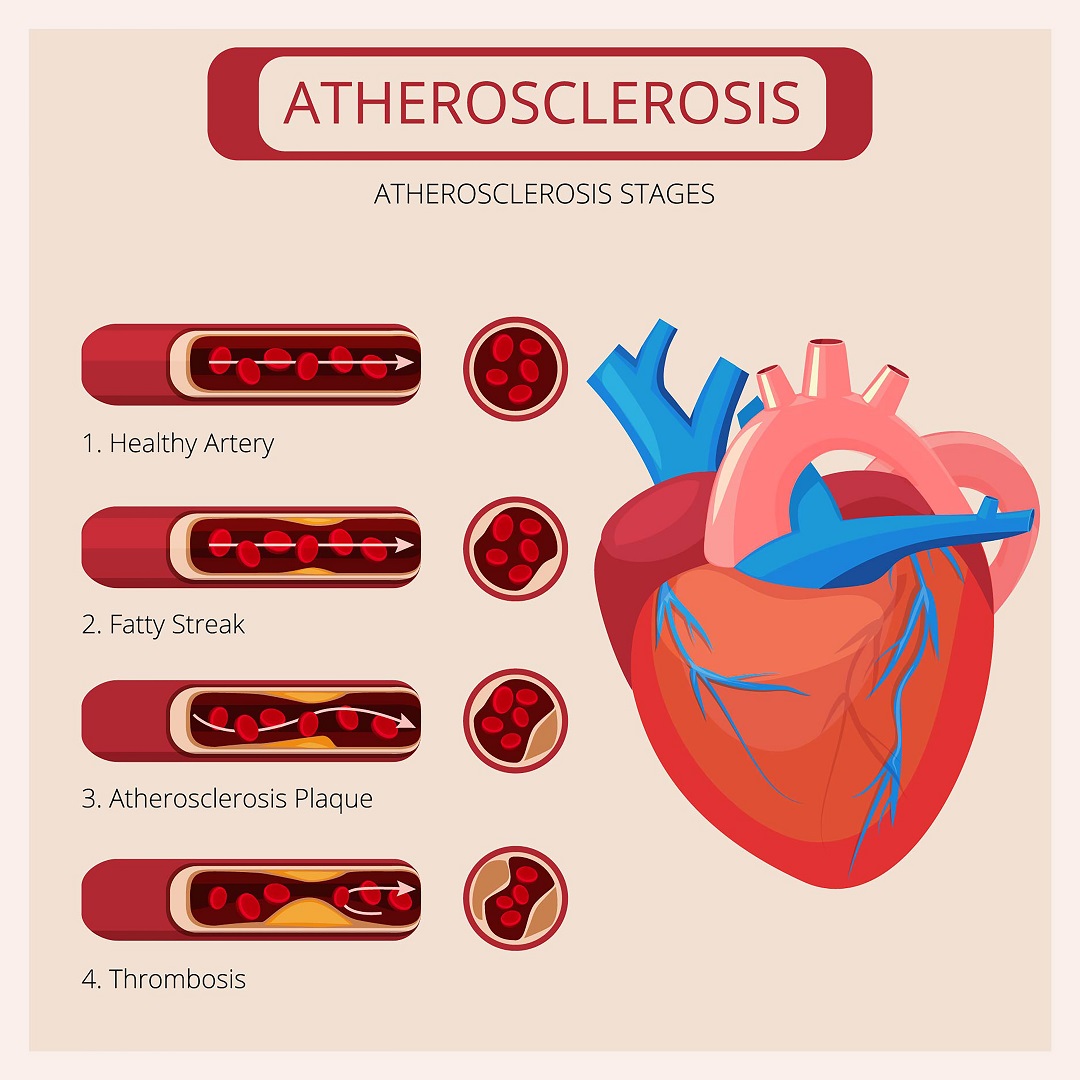
Here is an overview of the Cardiac Atherectomy procedure:
Patient Evaluation: Before the procedure, the patient undergoes a thorough evaluation, which may include medical history assessment, physical examination, and diagnostic tests to identify the location and severity of the arterial blockages.
Anesthesia: The procedure is performed in a cardiac catheterization lab or an operating room. Local anesthesia is administered to numb the area where the catheter will be inserted.
Catheter Insertion: A thin, flexible tube called a catheter is inserted through a small incision in the groin or wrist and threaded through the arteries toward the coronary arteries under the guidance of real-time X-ray imaging.
Atherectomy Device Placement: Once the catheter is in the targeted coronary artery, a specialized atherectomy device is advanced through the catheter to the site of the arterial blockage.
Plaque Removal/Modification: The atherectomy device is used to cut, shave, or vaporize the atherosclerotic plaque, depending on the specific technology being used.
Post-Procedure Assessment: After plaque removal or modification, the interventional cardiologist assesses the result using angiography to confirm that the artery is adequately opened and blood flow is improved.
Possible Additional Procedures: In some cases, cardiac atherectomy may be followed by other procedures, such as balloon angioplasty and stent placement, to further widen and support the treated artery.
Recovery: After the procedure, the catheter is removed, and the incision site is typically closed with a small stitch or a closure device. Patients are then monitored in a recovery area to ensure there are no complications. Most patients can go home the same day or after a short observation period.
Cardiac atherectomy can be an effective treatment option for patients with specific types of coronary artery disease, especially when traditional balloon angioplasty and stenting may not be suitable due to the nature of the plaque or anatomical considerations.
The choice of atherectomy procedure is individualized and depends on type and location of the plaque, the patient's overall health and the interventional cardiologist's assessment.
India has become a popular destination for Cardiac Atherectomy due to its world-class medical facilities, experienced surgeons, and lower costs compared to other countries. Indian hospitals have state-of-the-art technology and equipment and offer excellent healthcare services at an affordable price. Patients from around the world can benefit from the cost-effective and high-quality healthcare services offered in India.
Gomedi9 is a medical tourism company that specializes in helping patients plan and organize their medical travel to India. They provide a range of services to make the process of medical tourism hassle-free and convenient for patients.
Gomedi9 can help patients to choose the right hospital, book accommodation, arrange transportation, provide interpreters, and ensure that the patient receives the best possible medical treatment at an affordable price. They have a team of experienced professionals who guide patients throughout the process of medical tourism, from the initial consultation to post-operative care.
