

Welcome guest
Monday to Friday8AM - 9PM
AddressABC A-504, Rajnigandha Apartment, VADODARA-390007, GUJARAT, India.
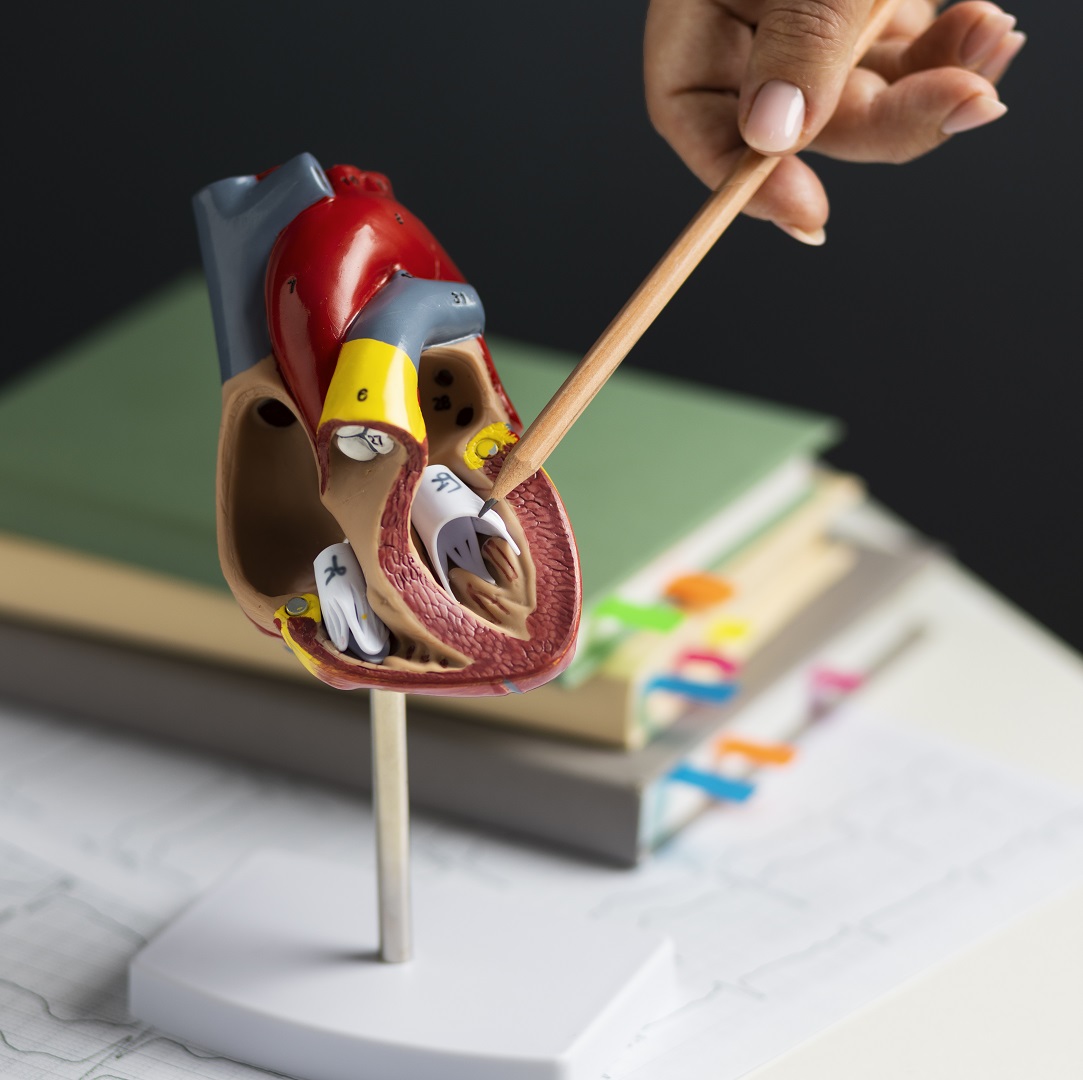
Cardiac balloon valvuloplasty is a medical procedure used to treat stenotic heart valves.
Cardiac balloon valvuloplasty, also known as balloon valvotomy or percutaneous balloon valvuloplasty, is a medical procedure used to treat stenosis (narrowing) of heart valves, particularly the aortic and mitral valves. It is a less invasive alternative to surgical valve replacement or repair.
There are types of Cardiac Balloon Valvuloplasty Surgery including:

Following are the procedure steps:
Patient Evaluation: Before performing a balloon valvuloplasty, the patient undergoes a thorough evaluation, including a medical history review, physical examination, and various cardiac imaging tests such as echocardiography, transesophageal echocardiography, and angiography to determine the severity and location of the valve stenosis.
Access Site: The procedure is typically done in a specialized cardiac catheterization laboratory. The patient is prepared for the procedure, and a local anesthetic is used to numb the access site, often in the groin or wrist.
Guidewire Insertion: A long, thin tube called a catheter is inserted into an artery or a vein and threaded through the vascular system under X-ray guidance. A guidewire is then passed through the catheter and into the heart.
Balloon Placement: A special catheter with a deflated balloon at its tip is advanced over the guidewire and positioned across the narrowed heart valve. The balloon is inflated with a sterile liquid, such as contrast dye or saline solution.
Balloon Inflation: As the balloon is inflated, it expands and pushes open the valve leaflets, stretching and breaking the rigid or calcified tissue that has caused the stenosis. The goal is to widen the valve opening to improve blood flow.
Balloon Deflation: After a brief period, the balloon is deflated and then removed from the heart.
Assessment: The healthcare team monitors the patient's condition and assesses the valve function using imaging techniques like echocardiography during and after the procedure.
Closure: Once the procedure is completed, the catheter is removed, and pressure is applied to the access site to prevent bleeding. Sometimes, a closure device is used to seal the access site.
Balloon valvuloplasty can provide immediate relief from symptoms associated with valve stenosis, such as shortness of breath, chest pain, and fatigue. However, it may not be a permanent solution for all patients, and some may require repeat procedures or eventual valve replacement surgery if the stenosis returns.
The suitability of balloon valvuloplasty depends on several factors, including the type and severity of valve disease, the patient's overall health, and the specific anatomy of the valve. It is essential for patients to discuss their treatment options with a cardiologist or cardiac surgeon to determine the most appropriate course of action.
India has become a popular destination for Cardiac Balloon Valvuloplasty due to its world-class medical facilities, experienced surgeons, and lower costs compared to other countries. Indian hospitals have state-of-the-art technology and equipment and offer excellent healthcare services at an affordable price. Patients from around the world can benefit from the cost-effective and high-quality healthcare services offered in India.
Gomedi9 is a medical tourism company that specializes in helping patients plan and organize their medical travel to India. They provide a range of services to make the process of medical tourism hassle-free and convenient for patients.
Gomedi9 can help patients to choose the right hospital, book accommodation, arrange transportation, provide interpreters, and ensure that the patient receives the best possible medical treatment at an affordable price. They have a team of experienced professionals who guide patients throughout the process of medical tourism, from the initial consultation to post-operative care.
