

Gomedi9 - CARDIAC SPIRO-ERGOMETRY
gomedi9
 

Welcome guest

Monday to Friday8AM - 9PM
AddressABC A-504, Rajnigandha Apartment, VADODARA-390007, GUJARAT, India.
prdDiv1Img1.jpg

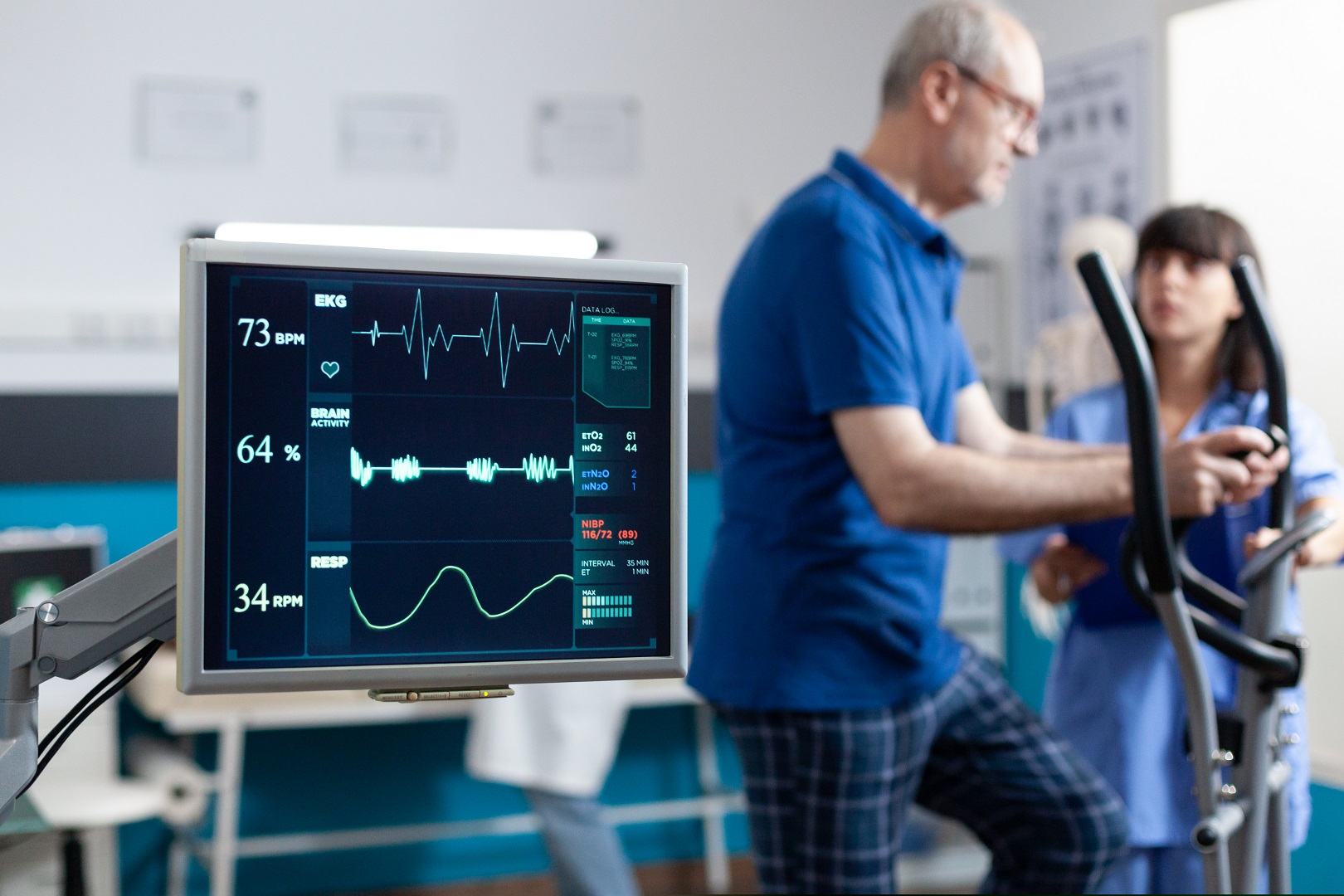
Cardiac spiro-ergometry is a medical diagnostic test that involves monitoring and assessing a person's cardiovascular and respiratory systems during physical exercise.

Cardiac Spiro-Ergometry

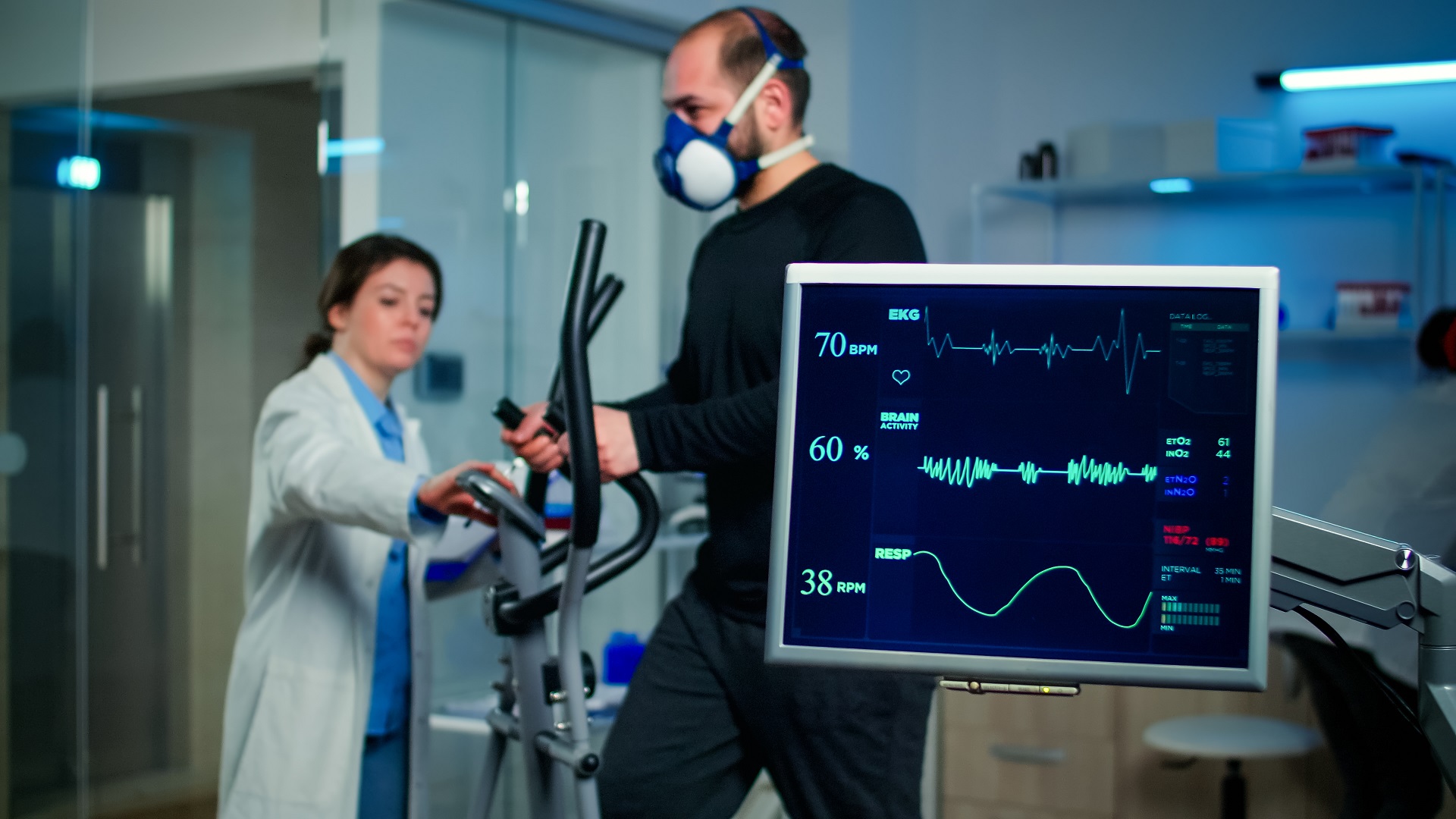
Cardiac spiro-ergometry, or cardiopulmonary exercise testing (CPET), can be conducted in different ways to assess various aspects of cardiovascular and respiratory function during exercise.

Here are some common types or variations of cardiac spiro-ergometry:
  • Exercise Stress Test
  • Incremental Exercise Test
  • Constant Work Rate Test
  • Anaerobic Threshold Test
  • Cardiopulmonary Exercise Test with Gas Exchange Analysis
  • Pediatric CPET
  • Maximal Oxygen Uptake (VO2max) Test
  • High-Intensity Interval Training (HIIT) Test
prdDiv2Img1.jpg

Below is a general outline of the procedure:

Preparation:

  • The patient is typically informed of the test and its purpose. They may be asked to avoid consuming large meals or caffeine before the test.
  • The patient should wear comfortable exercise clothing and supportive footwear.
  • A medical history and physical examination may be conducted to ensure that the patient is fit for exercise and to identify any contraindications.
  • Baseline Measurements:

    • Baseline measurements are taken, including resting heart rate, blood pressure, and respiratory rate.
    • A baseline electrocardiogram (ECG or EKG) may be recorded to assess the heart's electrical activity at rest.
    • Placement of Equipment:

      • The patient is connected to monitoring equipment. This may include a mouthpiece, nose clips, and a mask to collect respiratory data.
      • Electrodes are attached to the patient's chest for continuous ECG monitoring.
      • Calibration:

        • The equipment is calibrated to ensure accurate measurements of oxygen consumption (VO2) and carbon dioxide production (VCO2).
        • Warm-Up:

          • The patient typically starts with a brief warm-up, which may involve light exercise on a treadmill or stationary bike. The warm-up helps the patient become acclimated to the exercise equipment.

Exercise Phase:

  • The patient begins exercising on a treadmill or stationary bike. The exercise intensity may be gradually increased at specific intervals in incremental tests, or it may be maintained at a constant workload in certain other tests.
  • The exercise phase continues until the patient reaches their maximal effort, or it may be terminated earlier if the patient experiences symptoms such as fatigue, shortness of breath, chest pain, or abnormal ECG changes.
  • Data Collection:

    • Throughout the test, various physiological parameters are continuously monitored and recorded, including heart rate, blood pressure, respiratory rate, VO2, VCO2, and other relevant measurements.
    • The patient's perceived exertion and any symptoms are also noted during the test.
    • Cool-Down:

      • After the exercise phase is complete, the patient engages in a cool-down period to gradually reduce their exercise intensity and allow their body to recover.
      • Data Analysis:

        • The collected data, including the oxygen and carbon dioxide measurements, are analyzed to assess cardiovascular and respiratory responses to exercise.
        • Test Termination:

          • The test is officially concluded, and the monitoring equipment is removed from the patient.
          • Post-Test Evaluation:

            • The patient's results are reviewed by a healthcare professional, often a cardiologist, pulmonologist, or exercise physiologist.
            • The results are interpreted in the context of the patient's medical history and clinical symptoms.

Cardiac spiro-ergometry is a valuable tool for assessing exercise capacity, diagnosing certain medical conditions, and guiding treatment decisions.

The specific protocol and equipment used may vary depending on the healthcare facility and the clinical objectives of the test.

India has become a popular destination for Cardiac spiro-ergometry due to its world-class medical facilities, experienced surgeons, and lower costs compared to other countries. Indian hospitals have state-of-the-art technology and equipment and offer excellent healthcare services at an affordable price. Patients from around the world can benefit from the cost-effective and high-quality healthcare services offered in India.

Gomedi9 is a medical tourism company that specializes in helping patients plan and organize their medical travel to India. They provide a range of services to make the process of medical tourism hassle-free and convenient for patients.

Gomedi9 can help patients to choose the right hospital, book accommodation, arrange transportation, provide interpreters, and ensure that the patient receives the best possible medical treatment at an affordable price. They have a team of experienced professionals who guide patients throughout the process of medical tourism, from the initial consultation to post-operative care.
