

Welcome guest
Monday to Friday8AM - 9PM
AddressABC A-504, Rajnigandha Apartment, VADODARA-390007, GUJARAT, India.
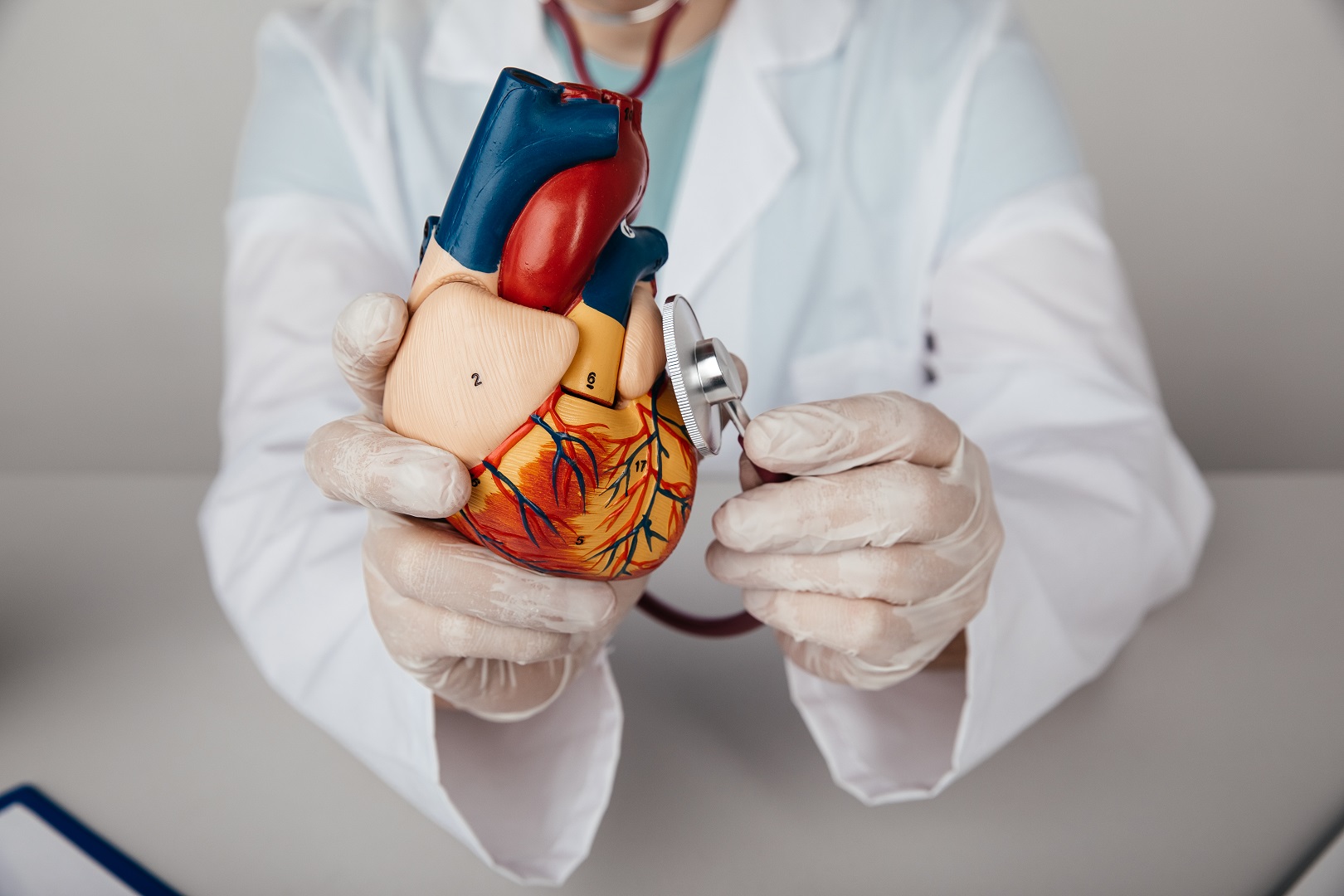
A cardiac pacemaker is a medical device surgically implanted into the chest or abdomen to regulate and control the heartbeat in individuals with certain heart rhythm disorders
Cardiac pacemakers come in several types, each designed to address specific cardiac rhythm disorders and patient needs.
The main types of cardiac pacemaker implants include:

The following is a general overview of the procedure:
Preoperative Evaluation: Before the procedure, the patient undergoes a thorough evaluation, including medical history, physical examination, and various cardiac tests such as an electrocardiogram (ECG), echocardiogram, and possibly other imaging studies to assess the heart's condition and the need for a pacemaker.
Informed Consent: The patient is provided with detailed information about the procedure, its risks, benefits, and alternatives. Informed consent is obtained, allowing the patient to make an informed decision.
Preparation: The patient is typically instructed to fast for several hours before the procedure, and medications may be adjusted as needed.
Anesthesia: The procedure is performed in an operating room or a specialized electrophysiology lab. Local anesthesia is administered to numb the area where the pacemaker will be implanted. In some cases, conscious sedation or general anesthesia may be used to keep the patient comfortable and relaxed during the procedure.
Access Site Preparation: The implantation site, usually the chest or abdomen, is cleaned and sterilized to reduce the risk of infection.
Lead Placement: A small incision is made near the chosen site for lead placement. The leads are threaded through a vein and guided to the heart chambers. Depending on the type of pacemaker, one or more leads may be used.
Lead Attachment: The leads are attached to the heart tissue using a special screw-in or tined mechanism. Once in place, they are tested to ensure proper electrical contact with the heart.
Pocket Creation: A small pocket is created beneath the skin near the incision site to hold the pacemaker generator (the device itself).
Generator Implantation: The pacemaker generator is connected to the leads and placed into the pocket. It is secured in place to prevent movement.
Testing and Programming: The cardiologist tests the pacemaker to ensure it functions correctly and effectively controls the heart rhythm. The device is programmed with specific settings tailored to the patient's needs.
Closure: The incision site is closed using stitches or surgical glue, and a sterile dressing is applied.
Postoperative Monitoring: After the procedure, the patient is monitored for a period to check for any immediate complications and ensure that the pacemaker is functioning properly.
Recovery: Most patients can go home on the same day or the day after the procedure. Strenuous activities and heavy lifting should be avoided for several weeks, as recommended by the healthcare provider.
Follow-Up: Regular follow-up appointments are scheduled to monitor the pacemaker's performance, adjust settings if necessary, and assess the patient's overall cardiac health.
The choice of pacemaker type depends on the patient's specific cardiac condition, the location and nature of the rhythm disorder, and individual health considerations.
Cardiologists and cardiac electrophysiologists work closely with patients to determine the most suitable type of pacemaker implant for their needs.
India has become a popular destination for Cardiac Pacemaker Implant due to its world-class medical facilities, experienced surgeons, and lower costs compared to other countries. Indian hospitals have state-of-the-art technology and equipment and offer excellent healthcare services at an affordable price. Patients from around the world can benefit from the cost-effective and high-quality healthcare services offered in India.
Gomedi9 is a medical tourism company that specializes in helping patients plan and organize their medical travel to India. They provide a range of services to make the process of medical tourism hassle-free and convenient for patients.
Gomedi9 can help patients to choose the right hospital, book accommodation, arrange transportation, provide interpreters, and ensure that the patient receives the best possible medical treatment at an affordable price. They have a team of experienced professionals who guide patients throughout the process of medical tourism, from the initial consultation to post-operative care.
