

Welcome guest
Monday to Friday8AM - 9PM
AddressABC A-504, Rajnigandha Apartment, VADODARA-390007, GUJARAT, India.
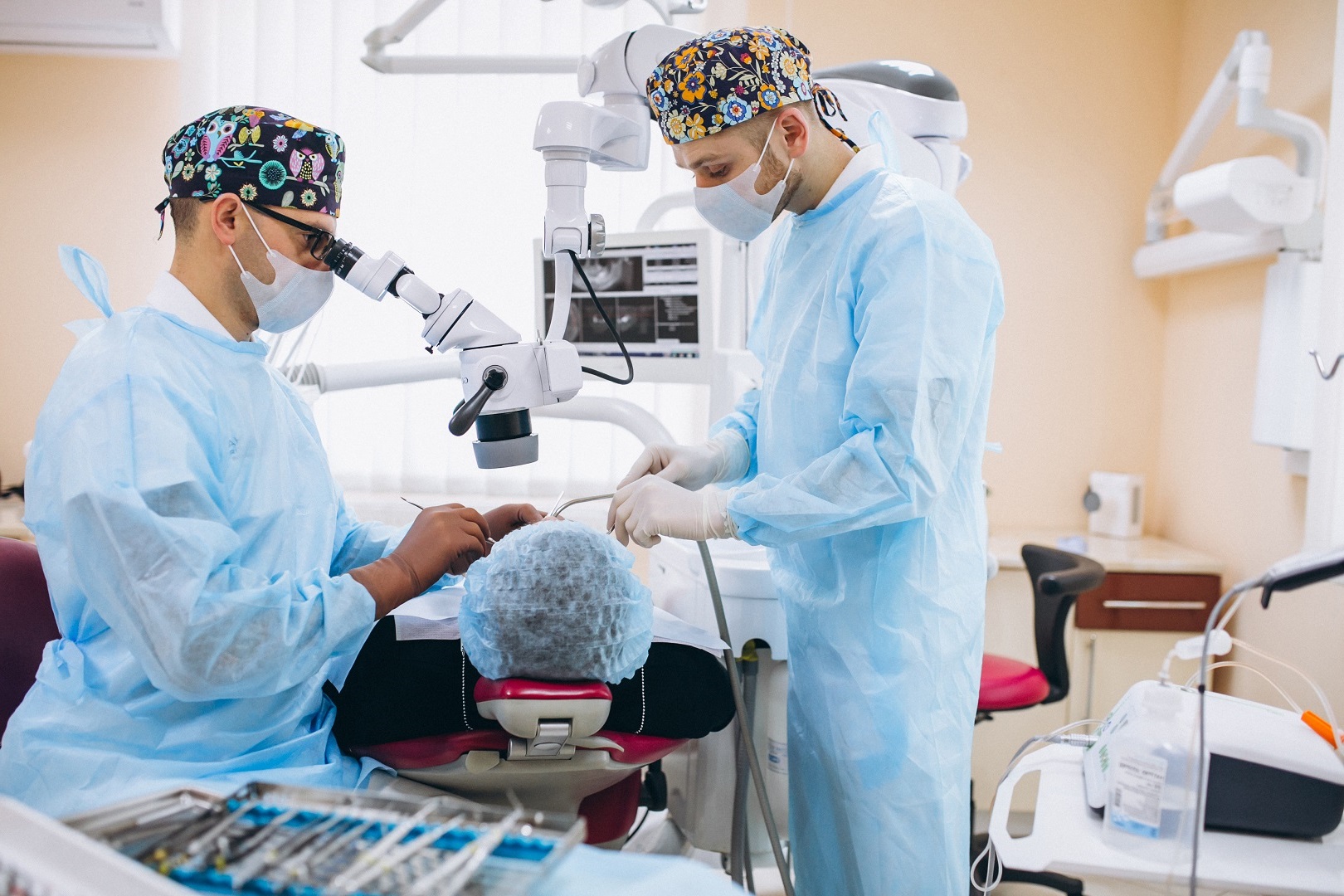
Laser lithotripsy is a medical procedure used to break down or fragment stones in the urinary tract or other parts of the body using laser energy.
Laser lithotripsy is considered a minimally invasive procedure, as it avoids the need for large incisions and allows for quicker recovery compared to traditional surgical methods. The specific type of laser used in the procedure may vary depending on the composition and size of the stone being treated.
Here are some common types of lasers used in laser lithotripsy:
Here is a general outline of the steps involved in laser lithotripsy:
Patient Preparation: The patient may undergo preoperative evaluation, which can include imaging studies such as X-rays or CT scans to identify the location, size, and composition of the stone. The patient may be instructed to avoid food and drink for a certain period before the procedure.
Anesthesia: The patient is usually placed under anesthesia to ensure comfort and minimize pain during the procedure. The type of anesthesia can vary and may include general anesthesia or regional anesthesia.
Access to the Stone: Depending on the location of the stone, the surgeon may access the urinary tract through natural openings (urethra) or, in some cases, through small incisions. Flexible or rigid instruments, such as ureteroscopes, may be used to visualize the stone.
Insertion of Laser Fiber: A thin, flexible fiber optic probe, often with the laser fiber attached, is inserted through the instrument and positioned near the stone.
Laser Lithotripsy: The surgeon uses the laser to deliver focused energy to the stone. The laser energy breaks the stone into smaller fragments. The choice of laser (e.g., holmium, thulium) depends on the type and composition of the stone.
Fragmentation and Removal: As the stone is fragmented, the smaller pieces are either allowed to pass naturally or may be removed using additional tools or suction devices. In some cases, a basket or grasper may be used to extract larger stone fragments.
Completion of the Procedure: Once the stone has been adequately fragmented and/or removed, the surgeon ensures that there are no remaining stone fragments that could cause complications. The instruments are withdrawn, and the procedure is considered complete.
Postoperative Care: After the procedure, the patient is monitored in a recovery area. Pain management and postoperative instructions, including guidelines for fluid intake, are provided.
Follow-up: Follow-up appointments may be scheduled to monitor the patient's recovery and assess the success of the procedure. Imaging studies may be performed to confirm stone clearance.
India has become a popular destination for Laser Lithotripsy due to its world-class medical facilities, experienced surgeons, and lower costs compared to other countries. Indian hospitals have state-of-the-art technology and equipment and offer excellent healthcare services at an affordable price. Patients from around the world can benefit from the cost-effective and high-quality healthcare services offered in India.
Gomedi9 is a medical tourism company that specializes in helping patients plan and organize their medical travel to India. They provide a range of services to make the process of medical tourism hassle-free and convenient for patients.
Gomedi9 can help patients to choose the right hospital, book accommodation, arrange transportation, provide interpreters, and ensure that the patient receives the best possible medical treatment at an affordable price. They have a team of experienced professionals who guide patients throughout the process of medical tourism, from the initial consultation to post-operative care.
