

Welcome guest
Monday to Friday8AM - 9PM
AddressABC A-504, Rajnigandha Apartment, VADODARA-390007, GUJARAT, India.
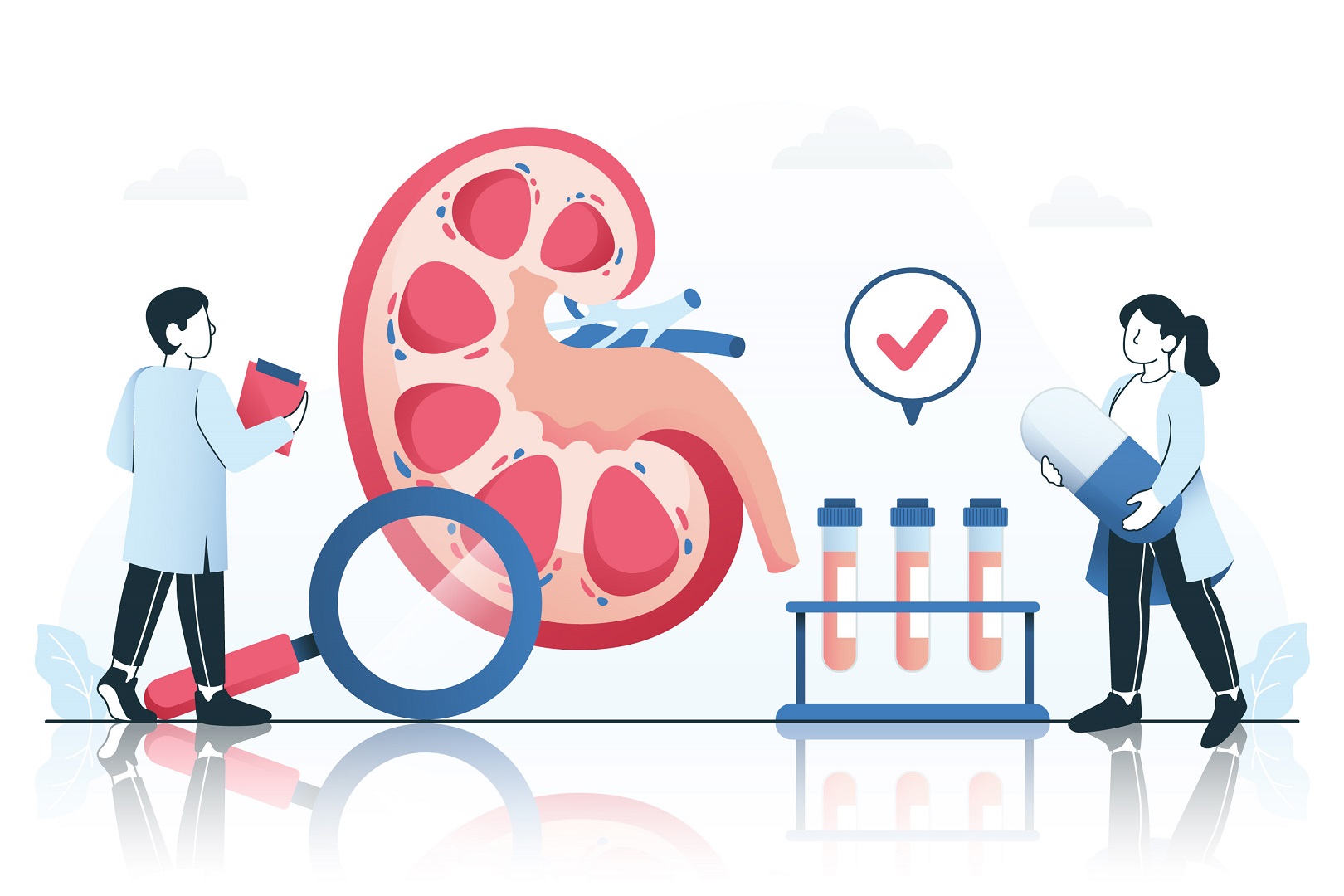
Renal artery stenosis refers to the narrowing of one or both of the renal arteries, which are the blood vessels that supply blood to the kidneys.
Renal artery stenosis can be classified into different types based on the underlying causes.
The two primary types are atherosclerotic renal artery stenosis and non-atherosclerotic renal artery stenosis:
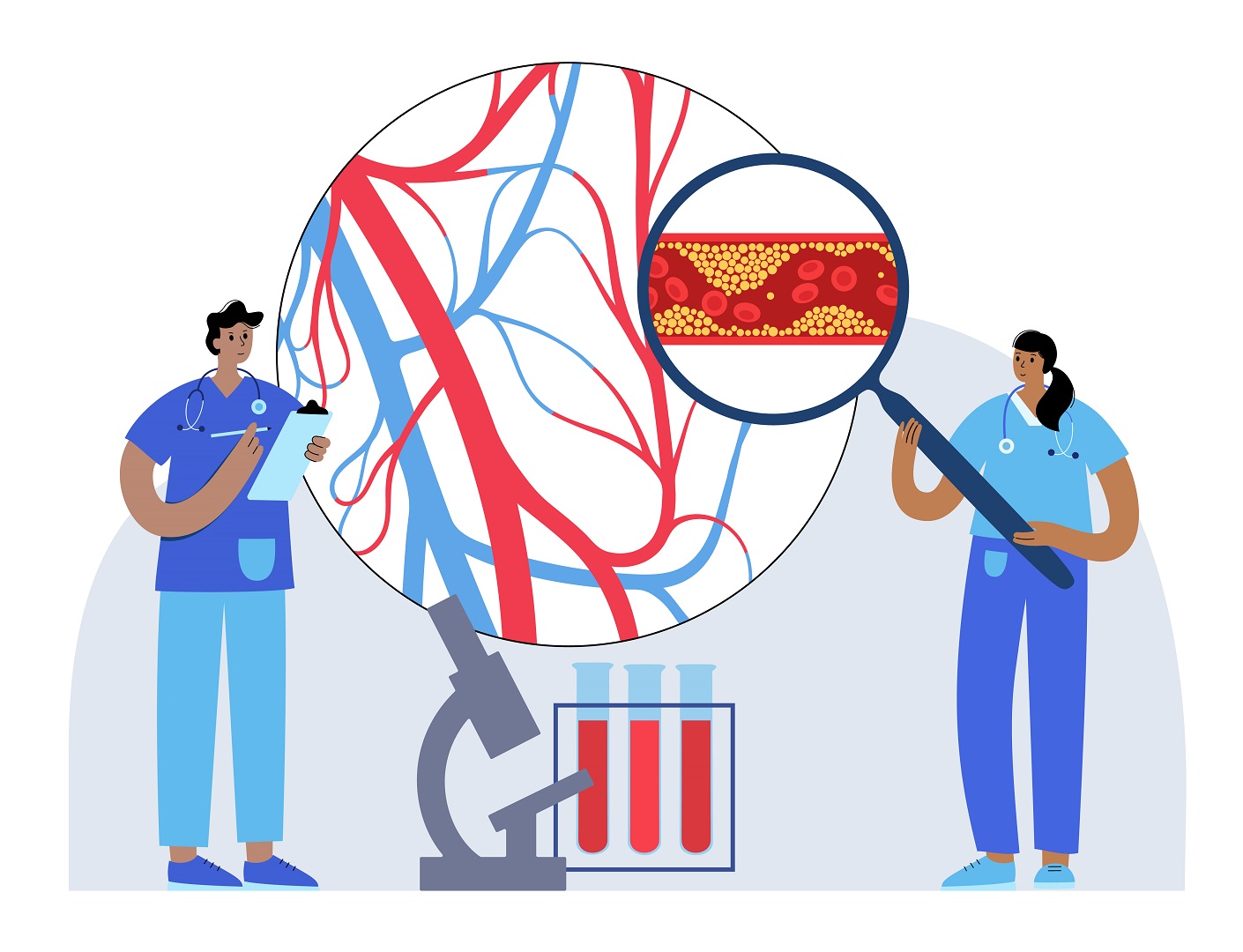
Following are the procedure steps:
Medical Management: Medications: Certain medications may be prescribed to manage hypertension and improve blood flow to the kidneys. This may include antihypertensive drugs, antiplatelet agents, and lipid-lowering medications.
Lifestyle Modifications:
a. Healthy Diet: Adopting a heart-healthy diet low in salt, saturated fats, and cholesterol can help manage blood pressure and reduce the risk of further vascular complications.
b. Regular Exercise: Regular physical activity is important for overall cardiovascular health.
Angioplasty and Stenting:
a. Procedure: In cases where there is a significant blockage in the renal artery, a minimally invasive procedure called angioplasty may be performed. During angioplasty, a catheter with a deflated balloon at its tip is threaded to the site of the stenosis.
The balloon is then inflated to widen the narrowed artery. In many cases, a stent (a small mesh tube) is placed to keep the artery open.
b. Indications: Angioplasty and stenting are often considered when there is atherosclerotic renal artery stenosis or when medication management alone is insufficient.
Surgical Revascularization:
a. Procedure: In some cases, surgical intervention may be necessary. Surgical revascularization involves the removal of the blockage or the creation of a bypass to restore blood flow to the kidneys.
b. Indications: This approach is considered in cases where angioplasty and stenting are not feasible or have not been successful.
Management of Underlying Causes: If the renal artery stenosis is secondary to an underlying condition such as fibromuscular dysplasia or vasculitis, treating the primary cause is an essential part of the management.
Follow-up Care: Regular follow-up appointments and monitoring of blood pressure and kidney function are crucial to assess the effectiveness of treatment and manage any potential complications.
India has become a popular destination for Renal Artery Stenosis due to its world-class medical facilities, experienced surgeons, and lower costs compared to other countries. Indian hospitals have state-of-the-art technology and equipment and offer excellent healthcare services at an affordable price. Patients from around the world can benefit from the cost-effective and high-quality healthcare services offered in India.
Gomedi9 is a medical tourism company that specializes in helping patients plan and organize their medical travel to India. They provide a range of services to make the process of medical tourism hassle-free and convenient for patients.
Gomedi9 can help patients to choose the right hospital, book accommodation, arrange transportation, provide interpreters, and ensure that the patient receives the best possible medical treatment at an affordable price. They have a team of experienced professionals who guide patients throughout the process of medical tourism, from the initial consultation to post-operative care.
