

Welcome guest
Monday to Friday8AM - 9PM
AddressABC A-504, Rajnigandha Apartment, VADODARA-390007, GUJARAT, India.
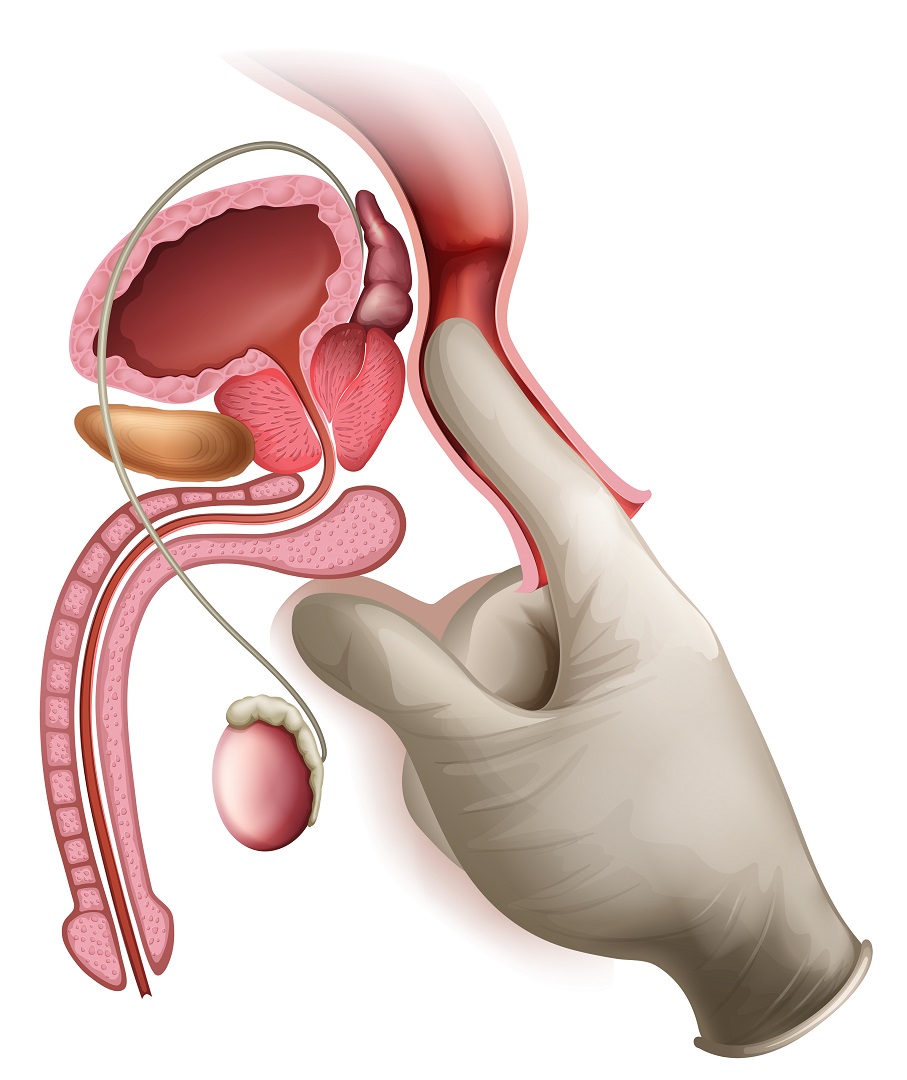
Endoscopic ureterolithotomy is a medical procedure used to remove stones (calculi) from the ureter.
Endoscopic ureterolithotomy can be performed using different techniques, and the choice of the specific approach depends on factors such as the size and location of the stone, as well as the patient's overall health
Here are some common types of endoscopic ureterolithotom:
Following are the procedure steps:
Preoperative Preparation:
a. Patient Evaluation: The patient undergoes a thorough evaluation, including medical history, physical examination, and imaging studies to assess the size and location of the ureteral stone.
b. Anesthesia: The patient is usually placed under general anesthesia to ensure comfort and immobility during the procedure.
Surgical Procedure:
a. Insertion of the Endoscope: The surgeon inserts a flexible endoscope through the urethra and into the bladder. The endoscope is then guided up the ureter to the location of the stone.
b. Visualization: The endoscope has a light and a camera that allow the surgeon to visualize the stone and the surrounding anatomy on a monitor.
c. Stone Localization: The surgeon identifies the exact location and size of the stone using the images provided by the endoscope.
d. Fragmentation or Removal: Depending on the size of the stone, the surgeon may choose to either fragment it into smaller pieces using laser energy or other specialized tools, or to remove the stone intact.
e. Extraction: If the stone is fragmented, the smaller pieces may be removed using a basket or suction device. If the stone is intact, it may be grasped with specialized instruments and pulled out.
f. Stent Placement (if necessary): In some cases, a ureteral stent may be placed to facilitate urine drainage and promote healing of the ureter. This is a thin tube that is left in place temporarily.
Postoperative Care:
a. Recovery: The patient is monitored in a recovery area until fully awake from anesthesia.
b. Pain Management: Pain medications may be prescribed to manage any discomfort or pain after the procedure.
c. Follow-up Imaging: Follow-up imaging, such as an X-ray or ultrasound, may be performed to ensure that all stone fragments have been successfully removed.
d. Stent Removal (if applicable): If a ureteral stent was placed, it is typically removed in a follow-up appointment after a certain period.
India has become a popular destination for Endoscopic Ureterolithotomy due to its world-class medical facilities, experienced surgeons, and lower costs compared to other countries. Indian hospitals have state-of-the-art technology and equipment and offer excellent healthcare services at an affordable price. Patients from around the world can benefit from the cost-effective and high-quality healthcare services offered in India.
Gomedi9 is a medical tourism company that specializes in helping patients plan and organize their medical travel to India. They provide a range of services to make the process of medical tourism hassle-free and convenient for patients.
Gomedi9 can help patients to choose the right hospital, book accommodation, arrange transportation, provide interpreters, and ensure that the patient receives the best possible medical treatment at an affordable price. They have a team of experienced professionals who guide patients throughout the process of medical tourism, from the initial consultation to post-operative care.
