

Welcome guest
Monday to Friday8AM - 9PM
AddressABC A-504, Rajnigandha Apartment, VADODARA-390007, GUJARAT, India.
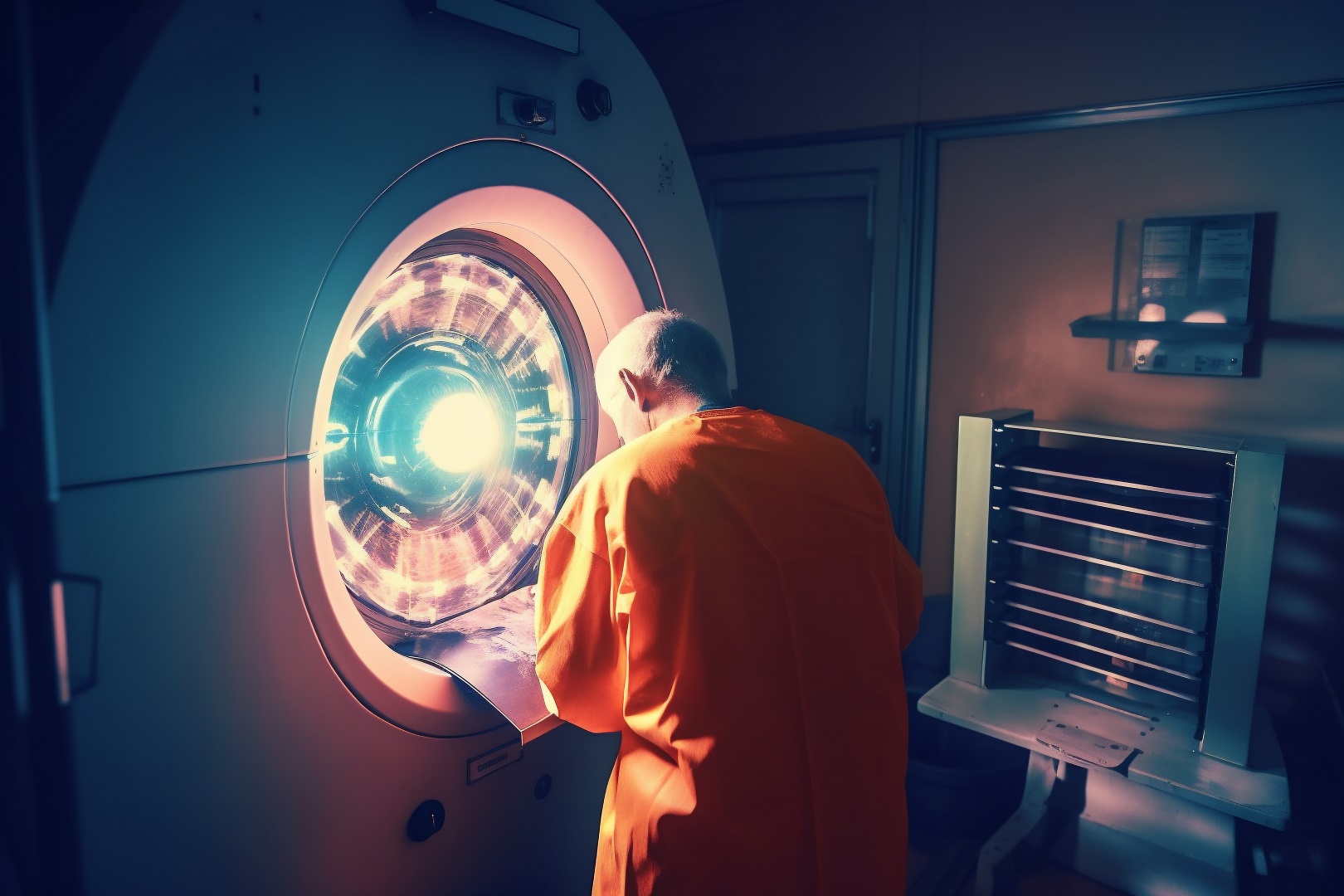
Stereotactic radiosurgery is a non-invasive medical procedure that uses precisely targeted radiation to treat specific areas of the brain or other parts of the body.
Stereotactic radiosurgery (SRS) encompasses various techniques and technologies designed to deliver highly precise and focused radiation to a specific target within the body.
Different types of stereotactic radiosurgery include:
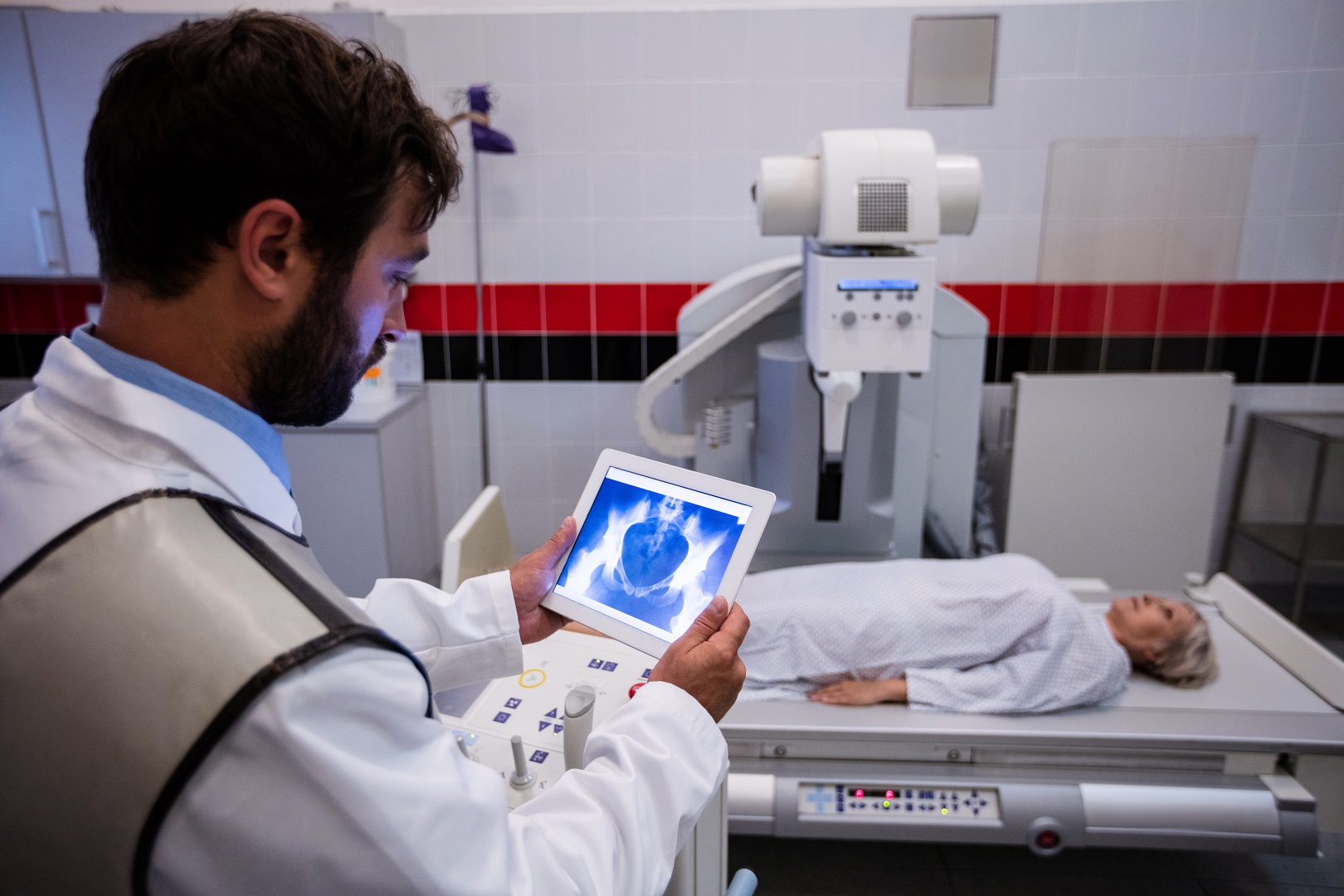
Here is a general outline of the proces:
Patient Evaluation:
a. Medical History and Physical Examination: The patient's medical history and overall health are assessed to ensure they are suitable candidates for SRS.
b. Diagnostic Imaging: High-resolution imaging, such as MRI (Magnetic Resonance Imaging) or CT (Computed Tomography) scans, is used to precisely locate the target area within the body.
Treatment Planning:
a. Image Fusion and Target Definition: The imaging data is fused to create a three-dimensional representation of the target area. The target, often a tumor or lesion, is precisely defined.
b. Dose Planning: Radiation oncologists and medical physicists collaborate to develop a treatment plan that determines the appropriate radiation dose, angles, and duration to target the lesion while sparing surrounding healthy tissue.
c. Treatment Simulation: In some cases, a simulation may be performed to mimic the actual treatment, ensuring accurate positioning and dose delivery.
Immobilization and Positioning: The patient is positioned on the treatment table, and immobilization devices such as a head frame or body mold may be used to ensure accurate and reproducible positioning during treatment.
Image Guidance: Before each treatment session, imaging techniques such as cone-beam CT or X-rays are used to verify the exact position of the target. This allows for real-time adjustments to ensure precision.
Treatment Delivery: The patient is positioned, and the treatment machine (Gamma Knife, CyberKnife, Linear Accelerator, etc.) delivers highly focused radiation beams to the predetermined target. The radiation is delivered in one session (single fraction) or multiple fractions, depending on the treatment plan and the specific characteristics of the target.
Monitoring and Follow-up: Patients are monitored during and after the treatment for any immediate side effects or complications. Follow-up appointments and imaging studies are scheduled to assess the response to treatment and monitor for any potential late effects.
India has become a popular destination for Stereotactic Radiosurgery due to its world-class medical facilities, experienced surgeons, and lower costs compared to other countries. Indian hospitals have state-of-the-art technology and equipment and offer excellent healthcare services at an affordable price. Patients from around the world can benefit from the cost-effective and high-quality healthcare services offered in India.
Gomedi9 is a medical tourism company that specializes in helping patients plan and organize their medical travel to India. They provide a range of services to make the process of medical tourism hassle-free and convenient for patients.
Gomedi9 can help patients to choose the right hospital, book accommodation, arrange transportation, provide interpreters, and ensure that the patient receives the best possible medical treatment at an affordable price. They have a team of experienced professionals who guide patients throughout the process of medical tourism, from the initial consultation to post-operative care.
