

Welcome guest
Monday to Friday8AM - 9PM
AddressABC A-504, Rajnigandha Apartment, VADODARA-390007, GUJARAT, India.
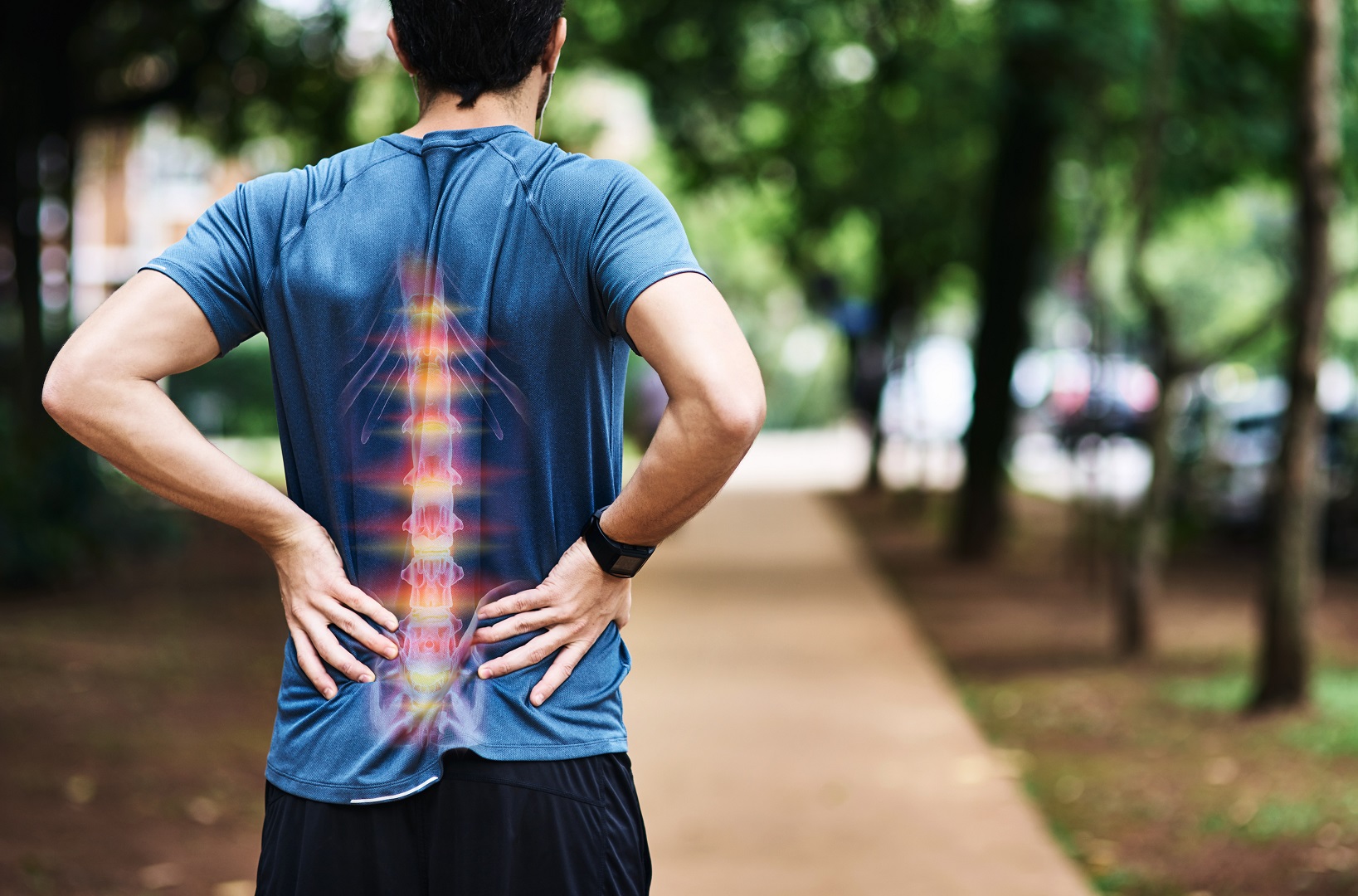
Spinal stenosis is a medical condition characterized by the narrowing of the spaces within the spine.
Spinal stenosis can put pressure on the nerves that travel through the spine. The spine consists of a series of vertebrae, and between each pair of vertebrae, there is an opening called the spinal canal. The spinal canal houses the spinal cord and nerves. There are several types of spinal stenosis, primarily classified based on the location within the spine where the narrowing occurs.
The two main types are lumbar spinal stenosis and cervical spinal stenosis:
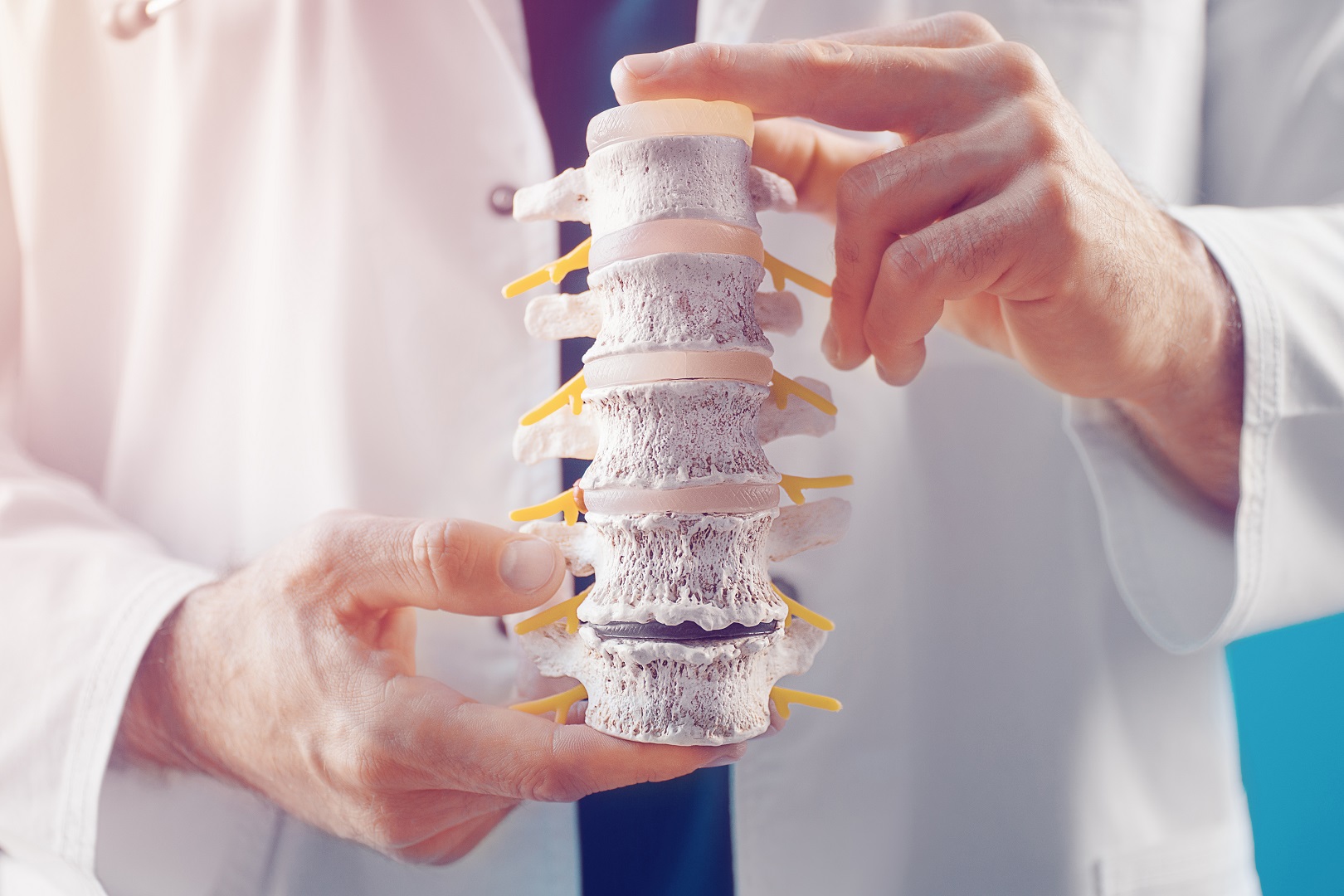
Here are common procedures and interventions for spinal stenosis:
Conservative Management:
a. Physical Therapy: Exercises and stretches that focus on strengthening the core muscles and improving flexibility can help alleviate symptoms.
b. Medications: Nonsteroidal anti-inflammatory drugs (NSAIDs), analgesics, and muscle relaxants may be prescribed to manage pain and inflammation.
c. Lifestyle Modifications: Activity modification, weight management, and avoiding prolonged periods of standing or walking may be recommended.
Pain Management:
a. Epidural Steroid Injections: Corticosteroids are injected into the epidural space to reduce inflammation and provide temporary relief from symptoms.
b. Nerve Block Injections: Local anesthetics or medications are injected to numb specific nerves and temporarily alleviate pain.
Surgery:
a. Decompressive Surgery: In more severe cases or when conservative treatments fail, surgical procedures may be considered.
1. Laminectomy: Removal of the lamina (the back part of the vertebra) to create more space in the spinal canal.
2. Foraminotomy: Enlarging the foramen (the opening where nerve roots exit) to relieve pressure on nerve roots.
3. Spinal Fusion: Joining two or more vertebrae to stabilize the spine, often performed in conjunction with decompressive surgery.
b. Minimally Invasive Procedures: Some surgeries can be performed using minimally invasive techniques, which involve smaller incisions and generally result in a faster recovery.
India has become a popular destination for Spinal Stenosis due to its world-class medical facilities, experienced surgeons, and lower costs compared to other countries. Indian hospitals have state-of-the-art technology and equipment and offer excellent healthcare services at an affordable price. Patients from around the world can benefit from the cost-effective and high-quality healthcare services offered in India.
Gomedi9 is a medical tourism company that specializes in helping patients plan and organize their medical travel to India. They provide a range of services to make the process of medical tourism hassle-free and convenient for patients.
Gomedi9 can help patients to choose the right hospital, book accommodation, arrange transportation, provide interpreters, and ensure that the patient receives the best possible medical treatment at an affordable price. They have a team of experienced professionals who guide patients throughout the process of medical tourism, from the initial consultation to post-operative care.
