

Welcome guest
Monday to Friday8AM - 9PM
AddressABC A-504, Rajnigandha Apartment, VADODARA-390007, GUJARAT, India.
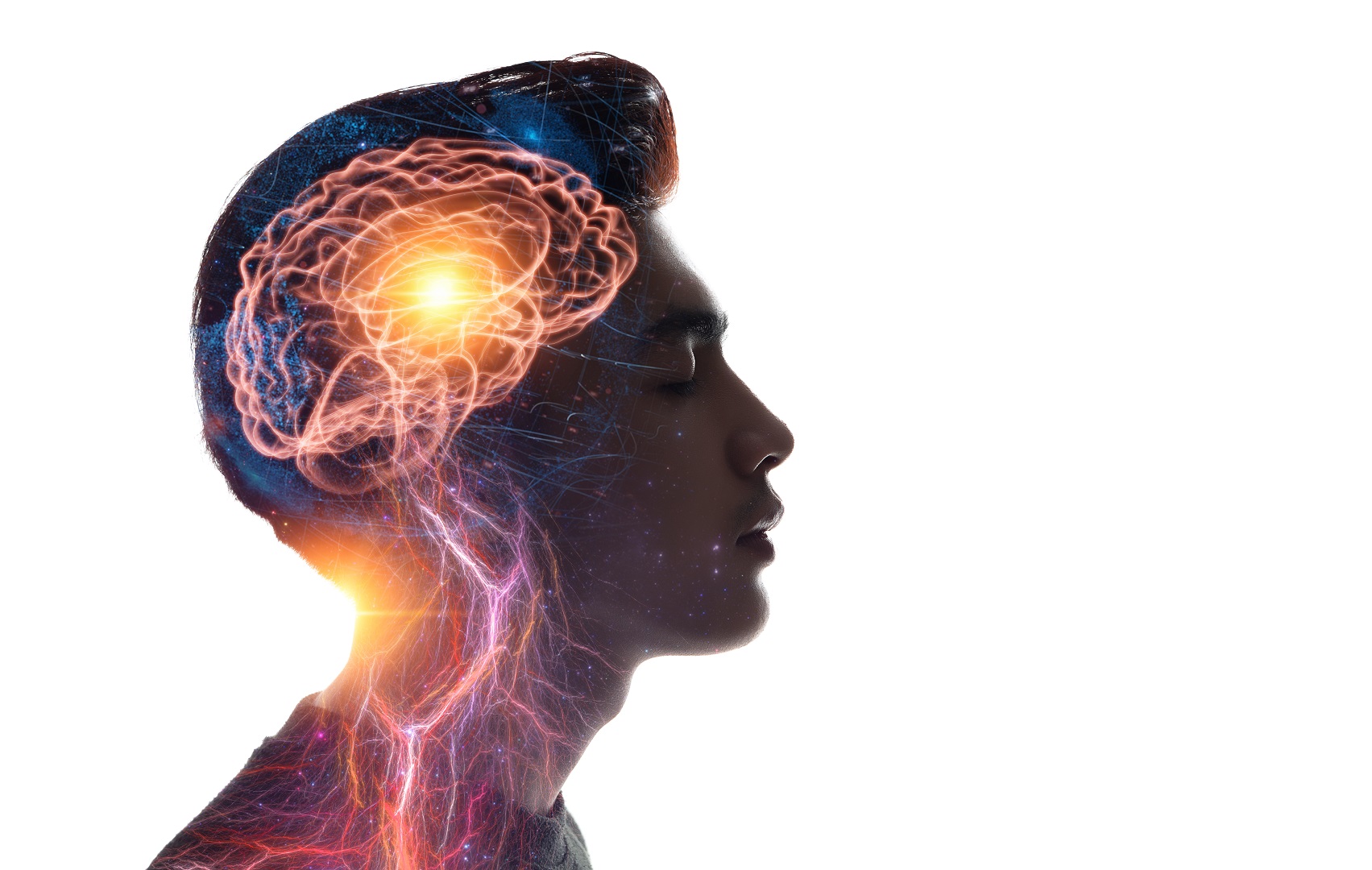
Neurotraumatology deals with traumatic injuries to the nervous system.
Neurotraumatology includes injuries to the brain, spinal cord, and peripheral nerves resulting from accidents, falls, sports-related incidents, or other forms of trauma. Neurotraumatology encompasses various types of traumatic injuries to the nervous system, and the specific type of intervention or treatment depends on the nature and severity of the injury.
Some common types of neurotraumatology include:
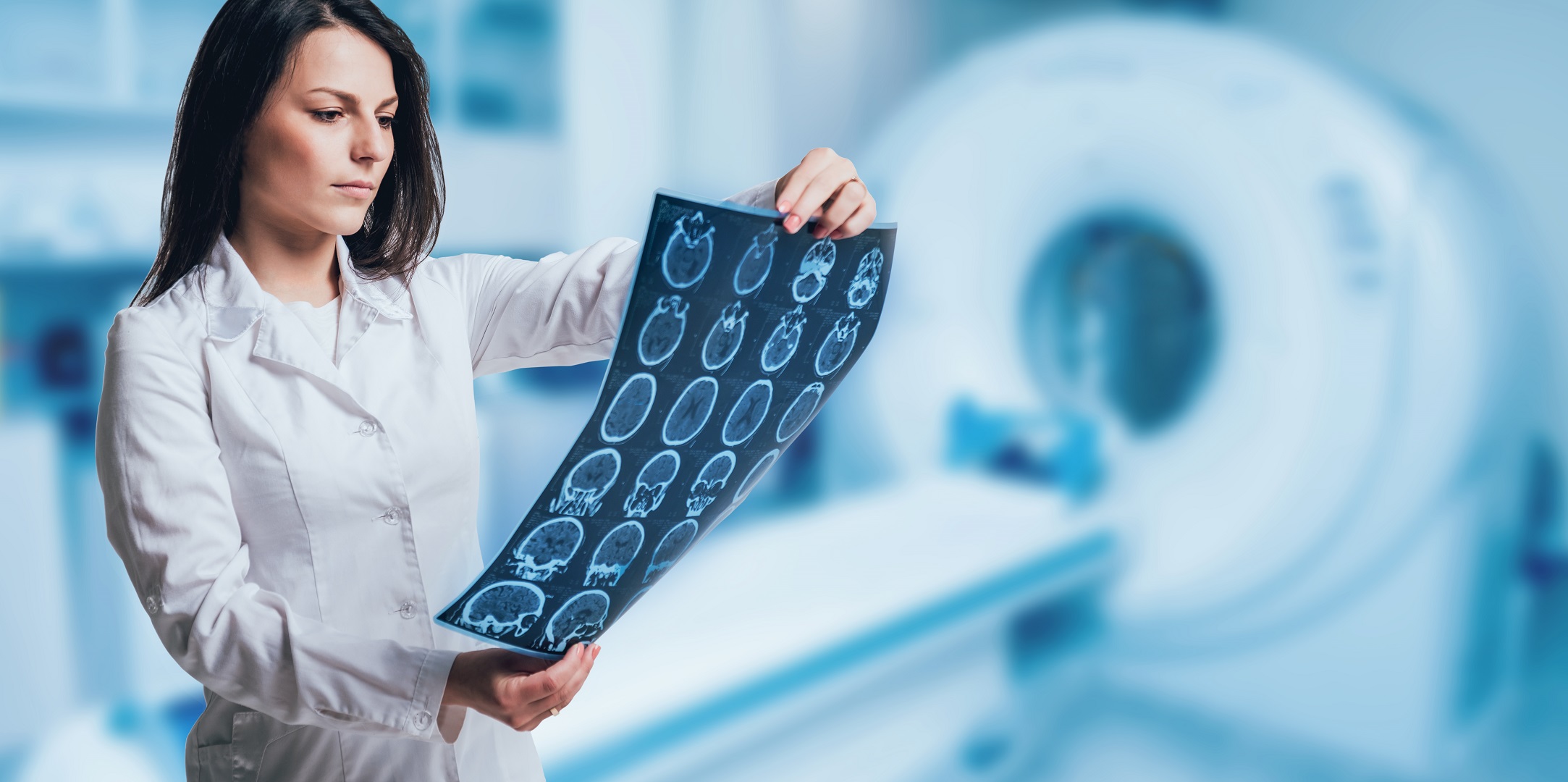
Following are the procedure steps:
Diagnostic Procedures:
Imaging Studies: Neuroimaging techniques such as CT scans and MRI are used to assess the extent and location of the trauma, including identifying fractures, hemorrhages, and other abnormalities.
Electrophysiological Studies: These tests, such as electromyography (EMG) and nerve conduction studies, may be used to evaluate the function of nerves and muscles.
Surgical Procedures:
Craniotomy: Surgical opening of the skull to access the brain, often performed to evacuate hematomas, remove tumors, or address other traumatic brain injuries.
Decompressive Craniectomy: Removal of a portion of the skull to relieve pressure on the brain, commonly performed in cases of severe traumatic brain injury or swelling.
Spinal Fusion: Surgical stabilization of the spine, often required in cases of spinal cord injury or fractures.
Peripheral Nerve Repair: Surgical repair of damaged peripheral nerves, which may involve suturing or grafting to restore continuity.
Intracranial Pressure (ICP) Monitoring: Placement of devices to monitor pressure within the skull, helping guide treatment decisions in cases of elevated intracranial pressure.
Medical Management:
Pharmacological Interventions: Medications may be prescribed to manage pain, control inflammation, prevent seizures, and address other neurological symptoms.
Monitoring and Supportive Care: Continuous monitoring of vital signs and neurological status, along with supportive care to ensure optimal recovery.
Rehabilitative Procedures:
Physical Therapy: Exercises and rehabilitation programs designed to improve strength, mobility, and functional abilities.
Occupational Therapy: Techniques to enhance daily living skills and independence.
Speech Therapy: Rehabilitation for speech and swallowing difficulties that may arise from neurological trauma.
Long-Term Follow-Up:
Neurological Surveillance: Ongoing monitoring of patients to detect any long-term complications or changes in neurological status.
Psychosocial Support: Addressing the psychological and emotional aspects of recovery, which are crucial for the overall well-being of the patient.
India has become a popular destination for Neurotraumatology due to its world-class medical facilities, experienced surgeons, and lower costs compared to other countries. Indian hospitals have state-of-the-art technology and equipment and offer excellent healthcare services at an affordable price. Patients from around the world can benefit from the cost-effective and high-quality healthcare services offered in India.
Gomedi9 is a medical tourism company that specializes in helping patients plan and organize their medical travel to India. They provide a range of services to make the process of medical tourism hassle-free and convenient for patients.
Gomedi9 can help patients to choose the right hospital, book accommodation, arrange transportation, provide interpreters, and ensure that the patient receives the best possible medical treatment at an affordable price. They have a team of experienced professionals who guide patients throughout the process of medical tourism, from the initial consultation to post-operative care.
