

Welcome guest
Monday to Friday8AM - 9PM
AddressABC A-504, Rajnigandha Apartment, VADODARA-390007, GUJARAT, India.
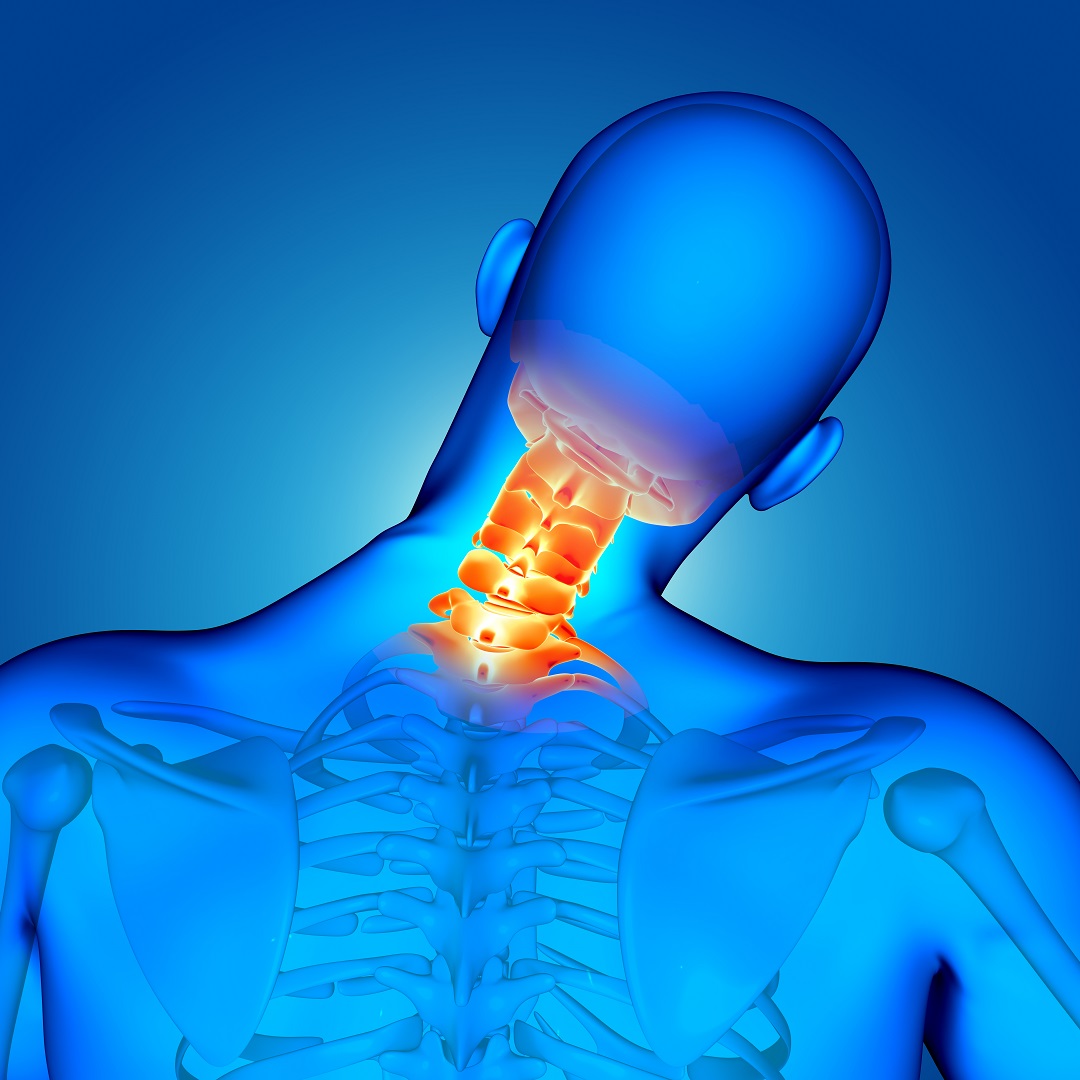
Brachial plexus surgery involves procedures to repair or reconstruct the brachial plexus.
The brachial plexus is a network of nerves that originates from the spinal cord in the neck and extends into the armpit region. It plays a crucial role in the movement and sensation of the upper extremities, including the arm and hand. Injuries or conditions affecting the brachial plexus can result in weakness, numbness, or loss of function in the affected arm. Neurosurgery for brachial plexus injuries involves various types of procedures depending on the nature and extent of the injury.
Here are some common types of neurosurgical interventions for brachial plexus disorders:
Here is a general overview of the steps involved in brachial plexus surgery:
Preoperative Assessment: The process begins with a thorough preoperative assessment, which may include imaging studies such as magnetic resonance imaging (MRI) or computed tomography (CT) scans to evaluate the extent and location of the brachial plexus injury.
Anesthesia: The patient is placed under general anesthesia to ensure they are unconscious and pain-free during the procedure.
Incision: The surgeon makes an incision over the affected area, which may be in the neck, shoulder, or arm, depending on the location of the brachial plexus injury.
Nerve Exposure: The damaged nerves of the brachial plexus are exposed, and the surgeon carefully assesses the extent of the injury.
Nerve Grafting or Nerve Transfers: If there is a gap in the damaged nerve, the surgeon may perform nerve grafting, where a nerve from another part of the body is used to bridge the gap. Alternatively, nerve transfers may be performed, redirecting functional nerves to restore lost function.
Nerve Decompression: If compression of the nerves is identified (due to scar tissue, tumors, etc.), the surgeon may perform decompression to relieve pressure on the brachial plexus.
Tendon or Muscle Transfers: In cases where muscle or tendon transfers are deemed necessary, the surgeon may re-route tendons or transfer functional muscles to compensate for muscle weakness or paralysis.
Closure: Once the necessary surgical interventions are completed, the surgeon closes the incision with stitches or staples.
Postoperative Care: After surgery, the patient is closely monitored in the recovery area. Physical therapy and rehabilitation play a crucial role in the postoperative period to promote optimal recovery.
India has become a popular destination for Neurosurgery Brachial Plexus Surgery due to its world-class medical facilities, experienced surgeons, and lower costs compared to other countries. Indian hospitals have state-of-the-art technology and equipment and offer excellent healthcare services at an affordable price. Patients from around the world can benefit from the cost-effective and high-quality healthcare services offered in India.
Gomedi9 is a medical tourism company that specializes in helping patients plan and organize their medical travel to India. They provide a range of services to make the process of medical tourism hassle-free and convenient for patients.
Gomedi9 can help patients to choose the right hospital, book accommodation, arrange transportation, provide interpreters, and ensure that the patient receives the best possible medical treatment at an affordable price. They have a team of experienced professionals who guide patients throughout the process of medical tourism, from the initial consultation to post-operative care.
